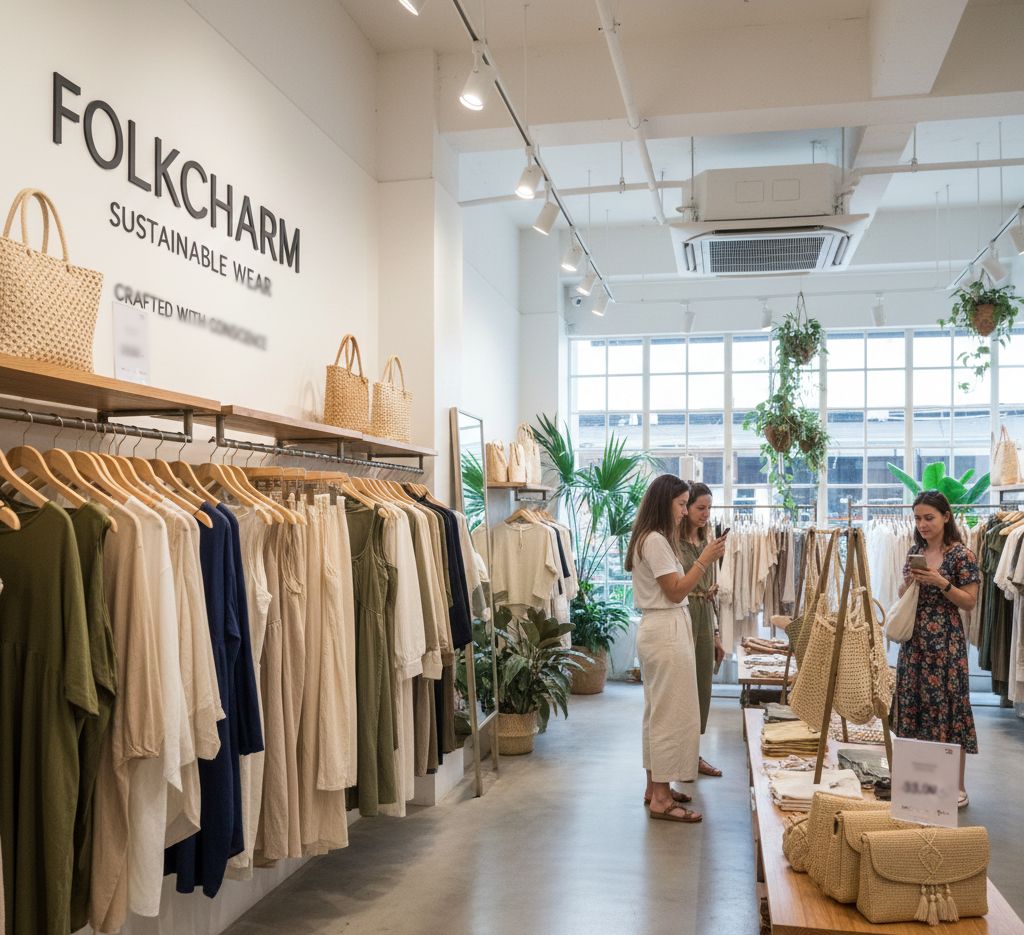
Every expat blog about Bangkok mentions the same five brands. Earthtone. Folkcharm. Madmatter Studio. All beautiful. All sustainable. All marketing to foreigners.
Walk through Siam Square on a Saturday. Count how many actual Thai people are carrying Earthtone bags made from rice straw and rattan.
I counted for an hour. Zero.
The Expat Bubble is Real
Here's what happens: You move to Bangkok. You want to shop sustainably. You Google "sustainable fashion Bangkok." You get articles written by other expats, for expats, about brands that cater to expats.
Then you notice your Thai neighbors wear brands you've never heard of. Your coworker's bag didn't come from the cute boutique in Thonglor. The woman at 7-Eleven has better jeans than anything you've found shopping "local."
So where are Thais actually shopping?
Chatuchak: Not the Tourist Section
Yes, tourists go to Chatuchak Weekend Market. They hit Section 2 and 3, buy elephant pants, maybe a "vintage" band tee that was printed last week.
Thais are in Section 8 and 12. Different stalls. Different prices. Different quality.
A Thai friend took me. Not the Instagram version of Chatuchak. The actual local version.
What I saw:
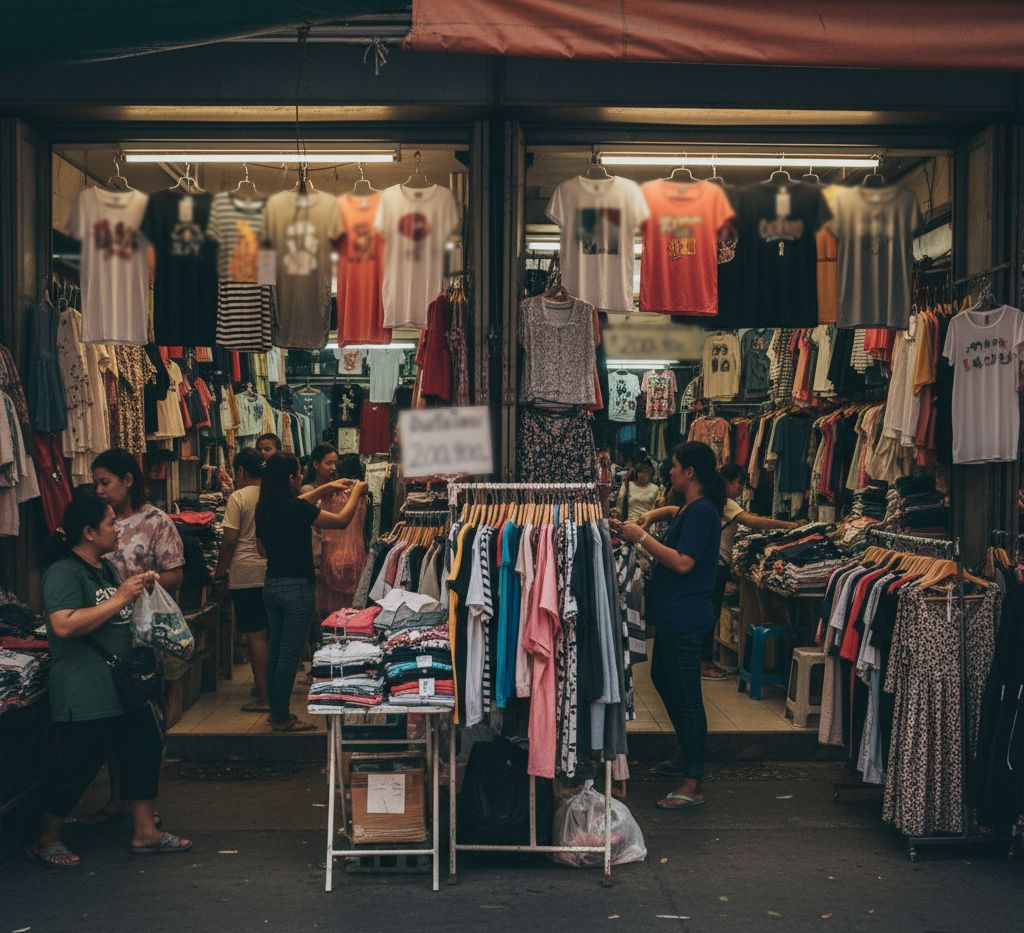
- Women's clothing: 200-400 baht ($5.50-$11)
- Same quality as the "sustainable" brands charging 1,200 baht
- No English signs
- No "eco-friendly" marketing
- Just well-made basics that last
The brand names? They're not brands. They're just sellers. Some have been there 20 years. Some make their own clothes. Some source from small factories in Chiang Mai.
One stall in Section 12 sells organic cotton tees. 280 baht ($7.70). The owner's sister owns the factory. No Instagram. No story about sustainability. Just good shirts.
Compare that to Earthtone: organic cotton tee, 890 baht ($25), beautiful branding, English website, ships internationally.
Same fabric. Different customer.
The Real Thai Sustainable Brands
Thais do shop sustainable brands. Just not the ones expats write about.
Jaspal and CPS Chaps - These Thai mall brands have sustainable lines. Not marketed as "eco-friendly lifestyle brands." Just regular stores that happen to use better materials now.
My Thai coworker shops there. When I mentioned Folkcharm, she'd never heard of it.
Taktai - This one shows up on expat lists AND Thais actually wear it. Made from bamboo fiber. Prices similar to Uniqlo. Stores in actual malls where Thais shop, not just tourist areas.
But here's the thing: She didn't buy it because it's sustainable. She bought it because it's comfortable and doesn't pill after three washes.
FLYNOW - Been around since 1983. Thai women wear their dresses to weddings and events. Structured, architectural pieces. Not marketed to tourists at all. You won't find their stuff in Thonglor boutiques.
Prices: 2,500-8,000 baht ($69-$220). Which sounds expensive until you realize it's formal wear that lasts years.
The Price Reality Nobody Mentions
Sustainable fashion in Bangkok costs MORE than Zara, not less.
Earthtone dress: 1,890 baht ($52)
Folkcharm handloom top: 2,200 baht ($61)
Madmatter Studio upcycled piece: 1,500 baht ($41)
Zara dress in Siam Paragon: 1,290 baht ($36)
The expat blogs make it sound like sustainable = affordable in Thailand. It's not. You're paying for:
- English customer service
- Instagram-worthy branding
- Stores in foreigner neighborhoods
- International shipping options
Which is fine! But let's be honest about it.
Where Thais Thrift
Bangkok has a massive secondhand market. But tourists hit the wrong places.
Tourists go to:
- Treasure Factory (Sukhumvit 39) - Designer secondhand, Prada and Bottega
- Prices: 800-5,000 baht ($22-$138)
- Mostly expats and wealthy Thais shopping
Regular Thais go to:
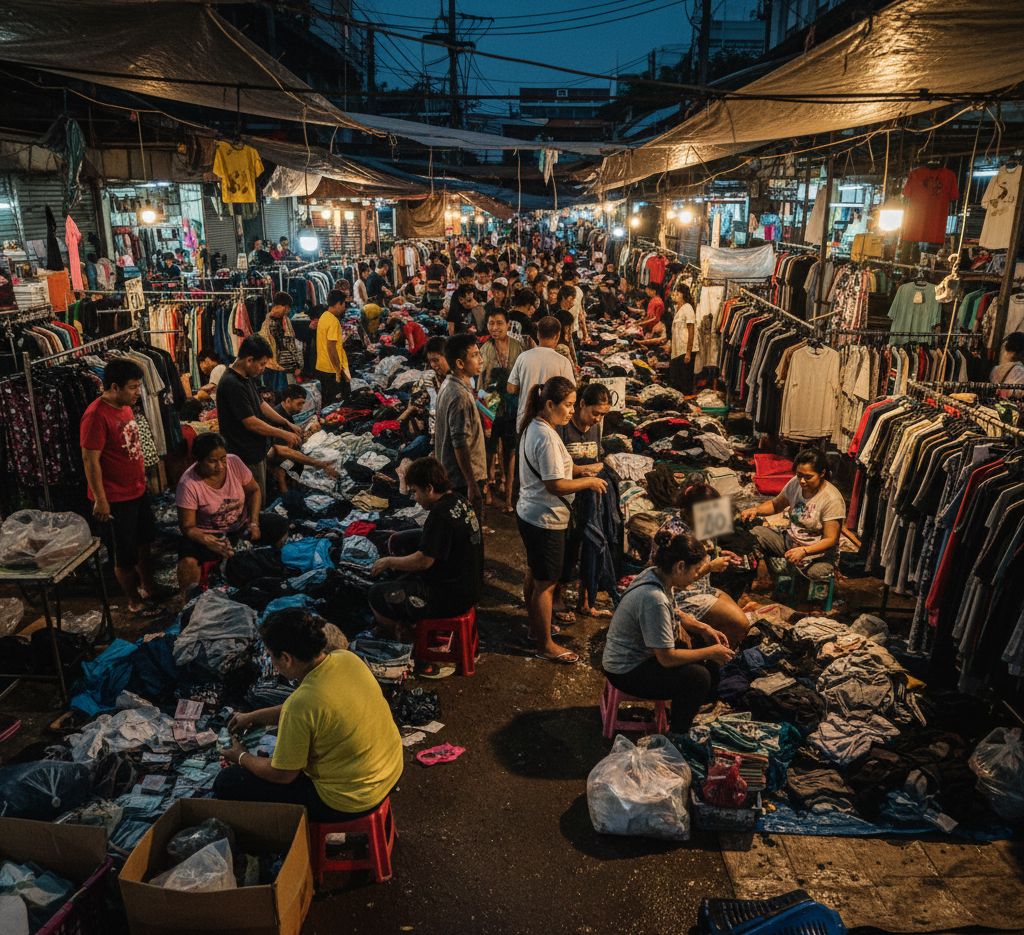
- Pattavikorn New Market (Soi Nawamin 72)
- Prices: 10-200 baht ($0.30-$5.50)
- Opens at 4am
- Cash only
- No English
- Bargaining expected
I went with a Thai friend. Found a perfect linen shirt, probably from some Japanese brand originally. 80 baht ($2.20). Needed a small repair. Still wearing it six months later.
The quality at Pattavikorn is random. You need time to dig. But when you find something good, it's 10% of the "sustainable" boutique price.
The Ginkgo Exception
There's one brand that bridges both worlds: Ginkgo.
Been around 17 years. Makes graphic tees with Vietnamese (they started in Vietnam, expanded to Thailand) and Thai cultural designs. Organic cotton, GOTS certified.
Prices: 890-1,200 baht ($25-$33)
Both tourists AND Thais buy these. I see them everywhere - in cafes, at coworking spaces, at family restaurants on Sundays.
Why it works:
- Good quality that justifies the price
- Designs that appeal to locals, not just foreigners romanticizing "Asian culture"
- Stores in places Thais actually go (not just Thonglor)
- Multiple locations: Saigon, Hanoi, Hoi An, Bangkok
What This Means for Shopping in Bangkok
If you want to support actual sustainable Thai brands, don't just follow expat blogs.
Ask Thais where they shop. Not the English-teacher at the coworking space. Your building's security guard. The woman who makes your coffee every morning.
Learn some Thai. The best sustainable shopping has no English. Markets, small factories, family-run stores - they exist, but not for tourists.
Accept that "local" doesn't mean cheap. Artisan brands cost money everywhere. Thai labor isn't free just because you're used to $3 pad thai.
Check actual Thai malls. Siam Paragon, EmQuartier, Central World. Thai brands with sustainable lines, priced for Thais, not tourists.
Hit Chatuchak sections 8, 10, and 12. Early morning, weekday if possible. Bring cash. Don't expect English or Instagram-ready displays.
The Brands Locals Recommend
I asked five Thai friends (mix of Bangkok natives and people from other provinces) where they actually buy clothes. Not where they think I want to shop. Where they shop.
Most mentioned:
- Jaspal (mall brand, sustainable line exists but not heavily marketed)
- Taktai (comfortable, affordable by Thai standards)
- Uniqlo (yes, Japanese, but Thais love it for basics)
- Chatuchak market (specific stalls they've been going to for years)
- Their province's local markets when visiting family
Almost never mentioned:
- Earthtone
- Folkcharm
- Madmatter Studio
- Any brand with "sustainable" in their English Instagram bio
One friend summed it up: "Those brands are beautiful. But I can't afford to spend 2,000 baht on one shirt when I need five shirts for work."
The Bottom Line
Sustainable fashion exists in Bangkok. It just looks different depending on who you're marketing to.
Tourist version: Beautiful branding, English websites, Thonglor boutiques, 2,000 baht tees.
Local version: Quality basics, reasonable prices, no marketing story, available where Thais actually shop.
Both are fine. But if you want to understand Bangkok's actual sustainable fashion scene, you need to leave the expat bubble.
Next time I'm thrifting, I'm going back to Pattavikorn at 5am. And checking out those Taktai stores my coworker keeps mentioning. And maybe finally learning enough Thai to ask stall vendors about fabric sources.
The Earthtone bag is pretty though. I'll give them that.
Places mentioned:
- Chatuchak Weekend Market: Kamphaeng Phet 2 Rd, Lat Yao, Chatuchak (Sections 8, 10, 12 for locals)
- Pattavikorn New Market: Soi Nawamin 72, Nuanchan, Bueng Kum
- Treasure Factory: 29 Soi Sukhumvit 39, Khlong Tan Nuea, Watthana
- Ginkgo stores: Multiple locations including Siam Square
Disclaimer: All prices, store hours, and locations were accurate as of January 2025. Availability and details may change — please confirm directly with each brand before visiting or ordering.
Full disclosure: This article is based on observations and conversations with Thai friends and coworkers living in Bangkok. Price comparisons reflect actual store visits in late 2024/early 2025. Not sponsored.
Photo Source Summary:
Instagram accounts for brand photos:
- @myearthtone (Earthtone)
- @folkcharm (Folkcharm)
- @taktaibrand (Taktai)
- @ginkgotshirts (Ginkgo)
- @jaspalofficial (Jaspal)
- @madmatterstudio (Madmatter Studio)
- @treasurefactorybkk (Treasure Factory)
- @chatuchakmarket (Chatuchak Market)
- @flynow_bkk (FLYNOW)
Websites for product images:
- https://myearthtone.com/
- https://www.folkcharm.com/
- https://www.taktaibrand.com/
- https://ginkgotshirts.com/en/
Stock/Google Images needed for:
- Bangkok shopping districts/street scenes
- Market scenes
- Mall interiors