Editorial Team Report
Featuring expert insights from Valentina Gomez, Colombian Immigration Lawyer
Published: October 2025 | 14-minute read
When Colombia launched its Type V Digital Nomad Visa in October 2022, immigration lawyers across Latin America took notice. Here was a major economy creating a visa specifically designed for remote workers—and actually making it functional.
Two years later, we sat down with Valentina Gomez, a Colombian immigration lawyer who's processed over 600 Type V applications, to understand what Colombia did right and what applicants need to know.
"Most countries create digital nomad visas as marketing stunts," Gomez explains from her Bogotá office. "They're either too expensive, too restrictive, or too bureaucratic to be useful. Colombia's Type V is different. It's actually designed to work."
The numbers support her assessment. At $177 for a two-year visa with family reunification options, Colombia has created one of the most attractive digital nomad programs globally.
What Colombia Got Right: The Type V Breakdown
The Type V visa stands out for several design decisions that differentiate it from similar programs worldwide.
Low income threshold: At three times Colombia's monthly minimum wage (3× SMMLV, currently $684/month as of 2025), the barrier to entry is accessible to most remote workers. Compare this to Spain's new digital nomad visa ($2,334/month) or Dubai's requirements ($5,000/month equivalent).
"The 3× SMMLV formula is deliberate," Gomez explains. "It's tied to Colombia's legal minimum wage, so it adjusts annually. The government wants to ensure you're self-sufficient, but they're not trying to exclude freelancers or junior developers. Most digital nomads earn far more than this anyway."
Important note about SMMLV: This amount can change annually when Colombia adjusts its minimum wage. Currently it's around $684/month, but verify the current 3× SMMLV amount when applying.
Two-year validity: Unlike many programs offering 6-month or 1-year stays, Colombia grants two full years upfront.
"This is huge for stability," Gomez notes. "You're not constantly renewing. You can sign a 2-year lease, make real plans, integrate into the community. Short-term visas force nomadic behavior even if you want to stay put."
Family inclusion: Spouses and dependent children can obtain visas simultaneously.
Explicit work rights: The visa specifically authorizes remote work for foreign clients—no gray zones or ambiguity.
Eligibility: Who Qualifies
The Type V visa targets three main categories of remote workers.
Category 1: Remote Employees
Requirements:
- Employment by company outside Colombia
- Company can be based anywhere globally
- Written employment contract or letter required
- Minimum salary 3× SMMLV (currently $684/month, subject to annual adjustment)
- Contract must specify remote work arrangement
"Remote employees are the simplest category," Gomez says. "If you have a regular job with a US company, or contract work with a European firm, you qualify. Just need documentation proving it."
Category 2: Freelancers and Contractors
Requirements:
- Provide services to foreign clients
- Can have multiple clients (no single-client requirement)
- Combined income minimum 3× SMMLV
- Client contracts or invoices as proof
"Freelancers need to show a pattern of foreign client work," Gomez explains. "If you're a web designer with three clients in different countries, perfect. If you're a writer with various publications, that works. The key is demonstrating stable income from foreign sources."
Category 3: Digital Business Owners
Requirements:
- Own online business serving foreign markets
- Can be e-commerce, SaaS, consulting, digital services
- Income derived from outside Colombia
- Business documentation required
Critical restriction: The visa prohibits working for Colombian companies or serving primarily Colombian clients.
"The visa is specifically for foreign-source income," Gomez stresses. "If you want to work for Colombian companies, you need a different visa type. If you're building a business that serves Colombian customers, that's investment visa territory, not Type V."
The Application Process: Step-by-Step
Gomez walked us through the complete application process based on her 600+ successful applications.
Phase 1: Document Gathering (4-8 Weeks)
The criminal background check typically determines timeline.
Required documents:
1. Valid passport (6+ months validity, 2+ blank pages)
2. Passport photo (3x4cm, white background, digital format)
3. Proof of income (employment letter or client contracts + 3 months bank statements)
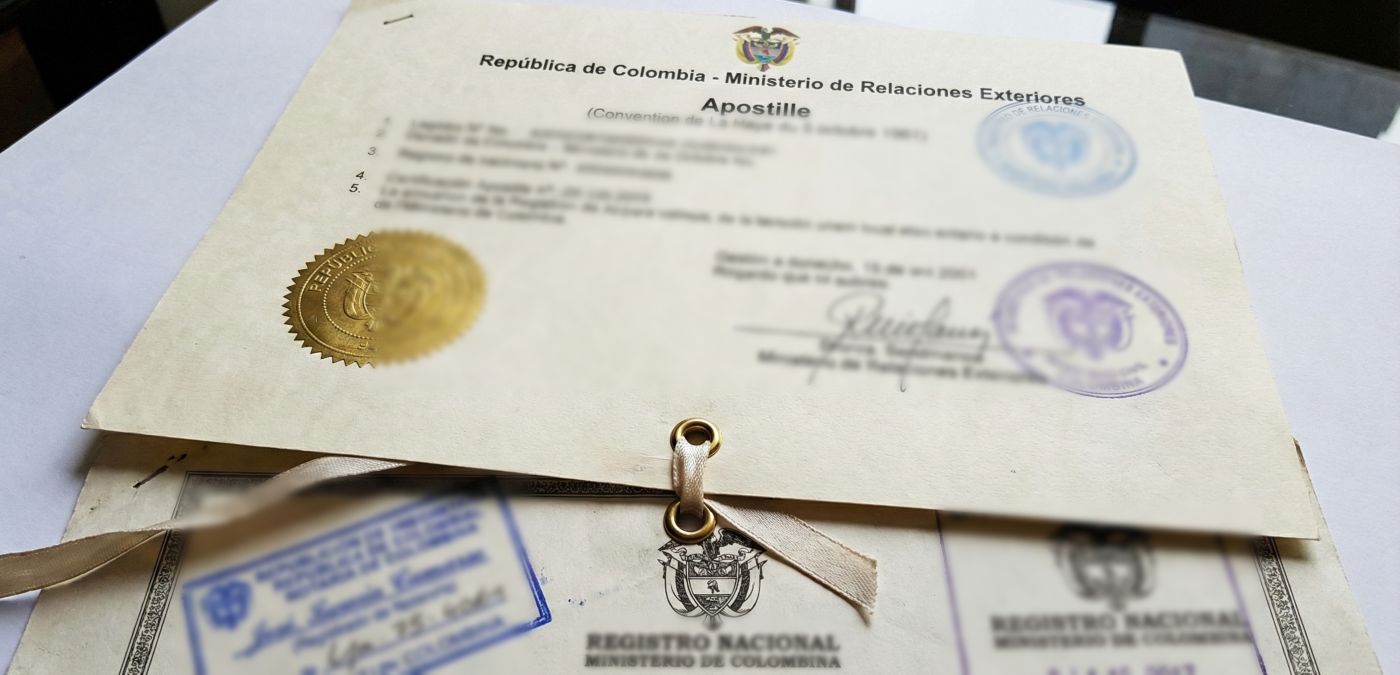
4. Criminal background check (from home country, apostilled, within 3 months)
5. Health insurance (covering Colombia, 2-year duration, minimum $50,000 coverage recommended)
6. Motivation letter (1-2 pages explaining remote work and interest in Colombia)
7. Proof of Colombian address (hotel reservation or rental contract acceptable)
"The criminal background check is the bottleneck," Gomez notes. "For Americans, FBI checks take 4-6 weeks plus apostille time. Start this immediately when you decide to apply."
Translation requirements: All non-Spanish documents must be professionally translated by certified translators.
"This is where 18% of rejections happen," Gomez warns. "People use Google Translate or try to save money with non-certified translations. Immigration rejects these applications immediately. Hire a proper sworn translator—it costs $50-150 but prevents rejection."
Phase 2: Online Application (1 Day)
Once documents are assembled, the actual application is straightforward.
Process:
1. Create account on Cancillería Colombia website
2. Select "Type V - Digital Nomad Visa"
3. Upload all documents (PDFs preferred)
4. Complete online form (personal information, employment details, Colombian address)
5. Pay $177 fee via credit card
6. Submit
"The form itself takes maybe 30 minutes," Gomez says. "The hard part is gathering the documents beforehand. Once you're ready to submit, it's simple."
Critical warning: Applications cannot be edited after submission.
"Double-check everything before hitting submit," Gomez stresses. "Errors mean rejection. I've seen applications denied because someone transposed digits in their passport number."
Phase 3: Processing and Approval (30-60 Days)
Applications go to Colombia's Ministry of Foreign Affairs for review.
Timeline:
- Typical processing: 30-45 days
- Fast track (rare): 2-3 weeks
- Slow track (if questions arise): 60+ days
"Check your email daily during this period," Gomez advises. "Immigration sometimes requests clarifications or additional documents. You typically have only 5 business days to respond. Missing that deadline means starting over."
Approval rate: Approximately 85% with complete, properly prepared documentation.
Phase 4: Entry and Cédula (2-3 Weeks)
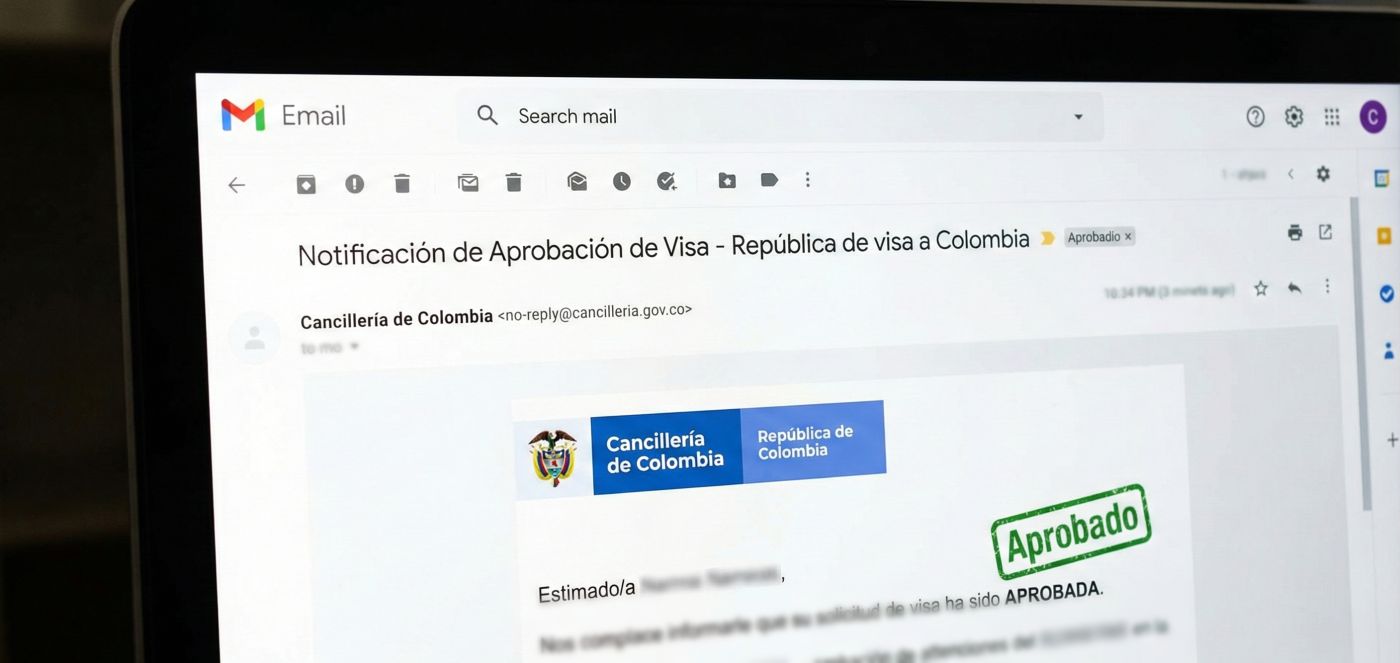
Upon approval, applicants receive a PDF visa approval via email.
Entry process:
1. Enter Colombia within 90 days of approval
2. Present visa approval at immigration (printed or digital)
3. Receive 2-year visa stamp in passport
4. Within 15 days: Visit Migración Colombia office
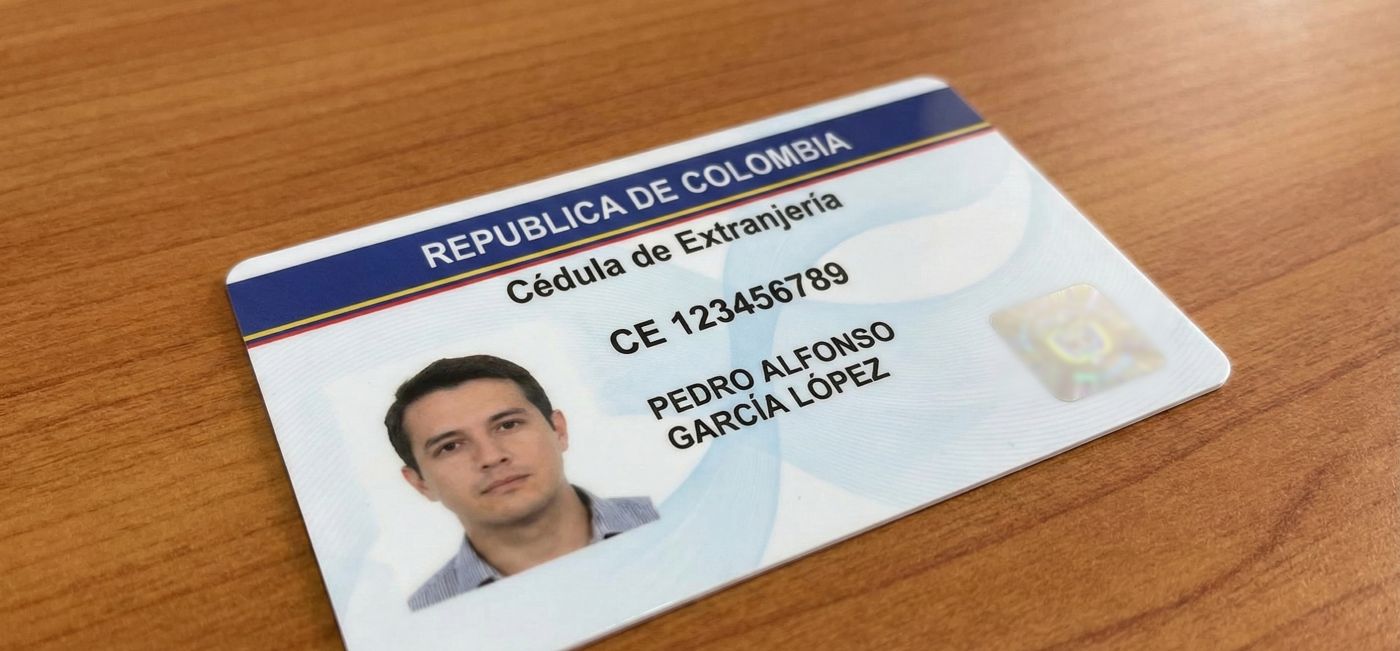
5. Apply for cédula de extranjería (foreign resident ID card)
6. Pay ~$63 fee
7. Return in 7-10 business days to collect card
"The cédula is what makes you a real resident," Gomez explains. "Until you have that card, you're still essentially a tourist. With it, you can open bank accounts, sign leases, register utilities, access services. It's your Colombian ID."
The Path Forward: What Happens After Type V
This is where Gomez needed to clarify an important misconception.
Common misunderstanding: "After 5 years on Type V, I'm eligible for permanent residence."
The reality: "This isn't quite accurate," Gomez explains carefully. "The path to permanent residence in Colombia is complex. Simply holding Type V for 5 years doesn't automatically qualify you for a resident visa."
The Actual Residence Path
"Colombia's immigration law is nuanced," Gomez continues. "Different visa types have different pathways. Type V is a temporary visa. The route to permanent residence (Type R visa) typically requires demonstrating stronger ties to Colombia."
Common pathways to Type R (Resident Visa):
- Marriage to Colombian citizen (3-5 years)
- Parent of Colombian child (2-3 years)
- Investment in Colombia (minimum amounts vary by sector)
- Long-term employment by Colombian company (5+ years typically)
- Special circumstances (refugee status, exceptional contributions, etc.)
"Time on Type V can contribute to showing ties to Colombia, but it's not an automatic path," Gomez clarifies. "After spending several years in Colombia on Type V, you might qualify for resident visa through other means—such as starting a Colombian business, marrying a Colombian, or having a Colombian child. But the Type V itself doesn't have a built-in residence pathway like some other visa categories."
What You Can Do on Type V Long-Term
Type V can be renewed:
- After initial 2 years, renew for another 2 years
- Requirements similar to initial application
- Must still demonstrate foreign income
- Fee: ~$177 again
"Some digital nomads have been on Type V for 4-6 years now, renewing every 2 years," Gomez notes. "It's functional for long-term remote work as long as you continue meeting the requirements. It's just not a direct path to permanent residence like, say, Portugal's D7 visa is."
Eventual naturalization:
After sufficient time in Colombia (typically 5+ years of legal residence, though requirements vary), foreign nationals may become eligible for citizenship. However, this would require first obtaining resident status through one of the pathways mentioned above, not directly from Type V.
"Think of Type V as an excellent long-term temporary visa, not a stepping stone to permanent residence," Gomez summarizes. "If permanent residence is your goal, you'll need to pursue that through other channels while maintaining your Type V status."
The True Cost: Complete Breakdown
Gomez provided detailed cost analysis based on her clients' experiences.
Pre-Application Costs
Criminal background check + apostille: $80-150
- US: FBI check ($18) + apostille ($50-80)
- UK: DBS check (£45) + apostille (£30)
- Canada: RCMP check ($40) + authentication ($50-80)
- Australia: Police check ($42) + apostille ($60-100)
Health insurance (2 years): $1,680-3,600
- Budget options (SafetyWing): ~$70/month = $1,680
- Mid-range (Genki, World Nomads): ~$100/month = $2,400
- Premium coverage: ~$150/month = $3,600
Document translations: $100-200
- Employment letter: $30-50
- Contracts: $40-80
- Criminal check: $30-50
- Insurance policy: $20-30
Miscellaneous: $30-50
- Passport photos: $10
- Document copies: $20
- Notarization (if required): $20
Pre-application total: $1,890-4,000
Application and Entry Costs
Visa application fee: $177
Flight to Colombia: $300-800 (varies by origin)
Cédula de extranjería: $63
Application/entry total: $540-1,040
Grand Total
First-time setup: $2,430-5,040
Annual breakdown:
- Year 1: $2,430-5,040 (includes 2-year visa)
- Year 2: $840-1,800 (health insurance only, already included in above)
- Per year average: $1,215-2,520
"The high initial cost is mostly health insurance," Gomez notes. "You need 2 years of coverage upfront. That's $1,680-3,600 right there. The actual visa is only $177."
Common Rejection Reasons and Prevention
Based on 600+ applications, Gomez identified the primary failure points.
1. Criminal Background Check Issues (38% of Rejections)
Problems:
- Not apostilled (most common)
- Older than 3 months at submission
- State/provincial level instead of national
- Missing countries (if lived multiple places in past 5 years)
Solution: "Get the national-level check from your country's central authority—FBI in US, RCMP in Canada, etc. Apostille it immediately. Apply for your visa within 3 months of the check date."
2. Insufficient Income Proof (22% of Rejections)
Problems:
- Bank statements don't clearly show foreign income source
- Inconsistent monthly income patterns
- Unable to document remote work arrangement
- Income appears to be from Colombian sources
Solution: "Show 3 months of consistent deposits. Include employment letter or client contracts that explain the income. The minimum is 3× SMMLV (currently $684/month), but showing $1,500-2,000+ monthly demonstrates comfortable self-sufficiency."
3. Translation Errors (18% of Rejections)
Problems:
- Used automated translation
- Non-certified translator
- Incomplete translations
- Missing translator credentials
Solution: "Always use a certified sworn translator (traductor oficial). They cost $50-150 for typical document volumes. Their stamp and signature legitimize the translation. Don't try to save money here."
4. Inadequate Health Insurance (12% of Rejections)
Problems:
- Policy doesn't explicitly cover Colombia
- Excludes COVID-19 or pandemic coverage
- Duration too short
- Coverage limits unclear
Solution: "Buy international travel insurance that specifically lists Colombia coverage. Get a policy declaration letter from the insurance company. Ensure COVID is covered and minimum coverage is clearly stated as at least $50,000."
5. Generic Motivation Letter (10% of Rejections)
Problems:
- Template language
- Doesn't explain specific remote work situation
- Too brief (one paragraph)
- Appears to be seeking employment rather than doing remote work
Solution: "Write 1-2 pages. Be specific about your work, your clients or employer, why Colombia appeals to you, how you'll support yourself. Show genuine interest and preparation. Immigration officers read these."
Banking Access: Finally Possible
For years, opening Colombian bank accounts as a foreigner was nearly impossible. The Type V visa changed this.
"With your cédula, you can actually open accounts now," Gomez confirms. "It's still not instant, but it's achievable."
Best Banks for Type V Holders
Bancolombia (largest, most established)
- Requirements: Cédula, proof of address, minimum deposit ($100-500)
- Processing: 1-2 weeks
- English support: Limited but improving
Davivienda (second-largest, more foreigner-friendly)
- Requirements: Cédula, proof of address
- Processing: 1-2 weeks
- Better digital banking experience
Banco de Bogotá (reliable, slightly more bureaucratic)
- Requirements: Cédula, proof of address, sometimes tax ID
- Processing: 2-3 weeks
"Success rate with cédula is about 80-90%," Gomez estimates. "Some branches are more experienced with foreigners. If one branch rejects you, literally try a different branch. Policies vary."
Tax Implications: The Complex Reality
The 183-day rule creates potential tax obligations that many applicants don't consider.
"If you spend 183 or more days per year in Colombia, you trigger tax residency," Gomez explains. "At that point, you're technically obligated to file Colombian tax returns."
However: Most countries have tax treaties with Colombia preventing double taxation.
General principle for remote workers:
- Income from foreign employers: Usually taxed in your home country, not Colombia (verify specific treaty)
- Income from foreign clients: Typically not Colombian-taxable under most tax treaties
- Income from Colombian sources: Taxed in Colombia
"The practical reality is that most digital nomads earning under $50,000 from foreign sources typically don't owe Colombian taxes due to tax treaties," Gomez notes. "But they should consult a Colombian tax accountant to understand their specific situation and filing obligations. Tax law is complex and individual circumstances vary."
Tax accountant costs in Colombia: $300-800 annually
Renewal Process
The Type V visa's renewal process is simpler than initial application.
Renewal requirements (after 2 years):
- Updated employment letter or client contracts
- Updated bank statements (showing continued income at 3× SMMLV minimum)
- Updated health insurance
- No new criminal check needed (unless specifically requested)
- Fee: $177
Processing: 30-45 days (can remain in Colombia during processing)
"Renewals are straightforward if your situation hasn't changed," Gomez says. "You're still working remotely for foreign clients, still meeting the income requirement, still have health insurance. Submit updated documents and pay the fee."
Expert Recommendations by Situation
Gomez provided guidance for different applicant scenarios.
For Testing Colombia (3-6 Months First)
"If you're not sure about Colombia, use the tourist visa first. Most nationalities get 90 days visa-free, extendable to 180 days total. Spend 6 months in Medellín or Bogotá. If you love it, leave and apply for Type V from home. If not, you haven't invested $2,500 in visa costs."
For Committed Long-Term Stay (1-2 Years)
"If you know you want to stay at least a year, apply for Type V from the start. The $240 visa cost (plus insurance you'd need anyway) is worth it for the legal status, banking access, and stability. Two years lets you really settle in."
For Families
"Colombia is one of the few countries that makes family immigration straightforward. Spouse and kids get dependent visas. They can attend Colombian schools. The family can integrate properly. Just remember to budget for insurance and visa fees for each person."
For Long-Term Residence Goals
"If your goal is permanent residence, understand that Type V alone doesn't lead there directly. You'll need to build ties through other means—starting a business, family connections, or long-term employment. Type V is excellent for living and working in Colombia long-term, but plan accordingly if permanent residence is your eventual goal."
Practical Challenges Nobody Mentions
Despite the visa's strengths, Gomez identified real-world difficulties.
Language barrier: "Outside of Medellín's digital nomad scene, English is limited. Immigration processes, banking, daily life—expect to need Spanish."
Bureaucracy still exists: "Colombia is trying to modernize, but it's still Latin America. Expect delays, paper-based systems, things taking longer than promised."
Altitude considerations: "Bogotá is at 2,640m. Not everyone adjusts well. Some people experience altitude sickness for weeks. Medellín at 1,500m is easier."
Safety perceptions: "Colombia's reputation is improving, but safety varies by city and neighborhood. Medellín's Poblado is very safe. Some areas of Bogotá are fine, others aren't. Research carefully."
Income requirement adjustments: "Because the requirement is tied to 3× SMMLV, it can change annually when Colombia adjusts minimum wage. The current $684/month could increase in future years. Budget some buffer above the minimum to avoid renewal issues."
The Verdict: South America's Best Designed Option
After reviewing the Type V program thoroughly with Gomez, several conclusions emerge.
What Colombia got right:
- Affordable ($177 for 2 years)
- Long duration (2 years upfront)
- Family-friendly (dependents allowed)
- Clear work rights (legitimate remote work authorization)
- Renewable (can extend indefinitely in 2-year increments)
- Reasonable income threshold (3× SMMLV, currently $684/month)
What to understand clearly:
- Type V is long-term temporary status, not a direct path to permanent residence
- Income requirement can adjust annually (tied to minimum wage)
- Permanent residence requires other qualifying factors beyond Type V
- Still requires navigating Colombian bureaucracy and language barriers
Comparison to alternatives:
vs. Portugal D7: Portugal offers clearer permanent residence path but requires passive income and higher proof of funds (~€10,000+)
vs. Spain Digital Nomad Visa: Spain requires €2,334/month (vs. Colombia's $684), making it less accessible, but offers EU location
vs. Mexico temporary residence: Mexico offers similar timeline and lower bureaucracy, but less clear remote work authorization
"For digital nomads specifically targeting Latin America and wanting legitimate 2-4+ year status, the Type V is the best option available," Gomez concludes. "It's well-designed, reasonably priced, and offers real stability. Just understand it's for long-term remote work, not necessarily a citizenship pathway. Plan accordingly."
Key Takeaways:
Type V visa: $177 for 2 years with remote work authorization
Income requirement: 3× SMMLV (currently $684/month, adjusts with minimum wage)
Family inclusion: Spouse and children can get dependent visas
Renewable: Every 2 years indefinitely (not a direct path to permanent residence)
Total cost: $2,400-5,000 first-time (mostly health insurance)
Tax residency triggered at 183+ days (consult tax advisor)
Resources:
- Colombian Ministry of Foreign Affairs: cancilleria.gov.co
- Migración Colombia: migracioncolombia.gov.co
- Type V visa information: cancilleria.gov.co/en/procedures_services/visas/visitor-type-v