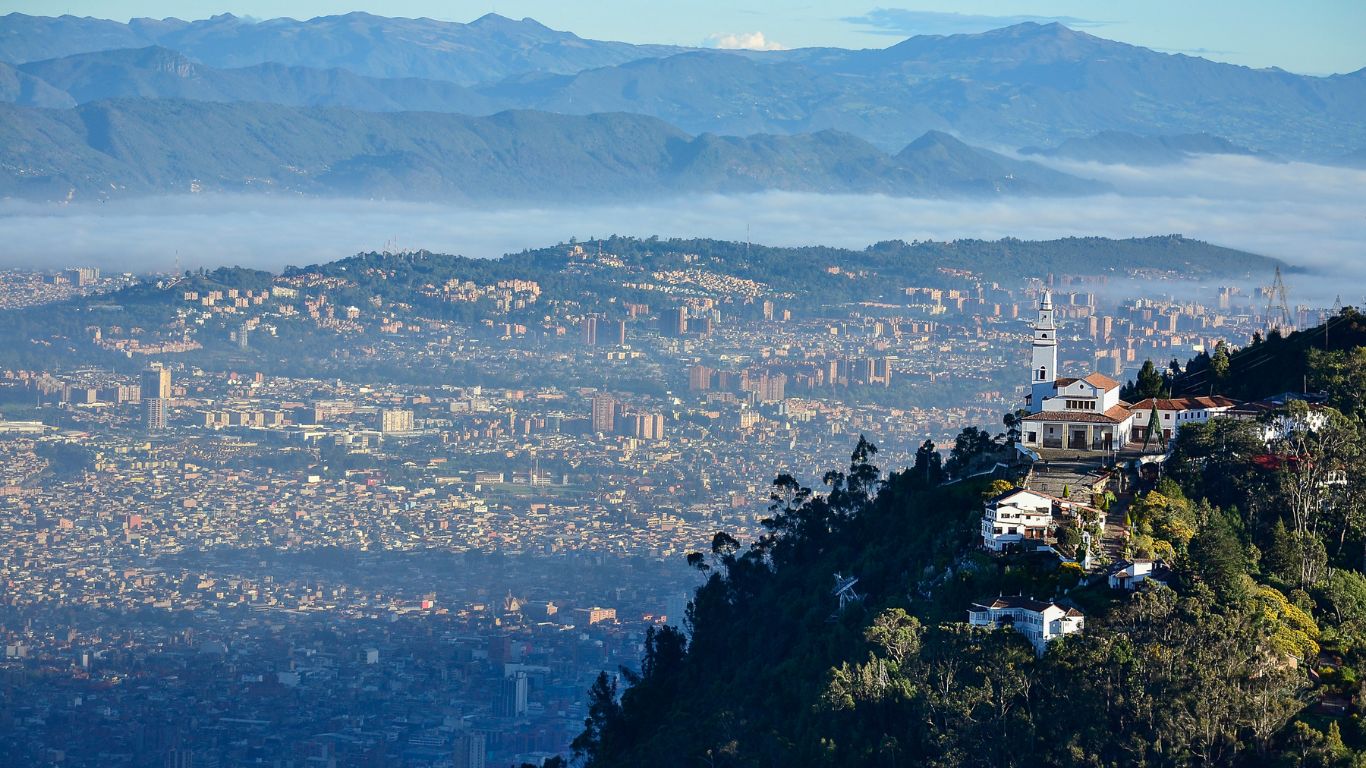
Colombia messes with your stomach in ways that have nothing to do with food poisoning. The altitude difference between Bogotá (2,640 meters), Medellín (1,495 meters), and Cartagena (sea level) affects how your body processes food and water. I learned this the hard way.
The Altitude Thing
In Bogotá, everything hits different. At 2,640 meters, your digestion slows down (gastric emptying takes longer), you're constantly dehydrated, and your appetite tanks. Food that would be fine at sea level can mess you up during your first few days while your body adapts. Not because the food is bad - because your digestive system is adjusting.
Medellín feels better mostly because of the climate, the light, and the infrastructure. The eternal spring weather at 1,495 meters is just easier on your body overall.
Cartagena and the coast? Different issues. Heat and humidity mean different food safety considerations - temperature, how long food sits out, water quality in that specific area, and restaurant hygiene practices matter more than elevation.
Water: The Real Story
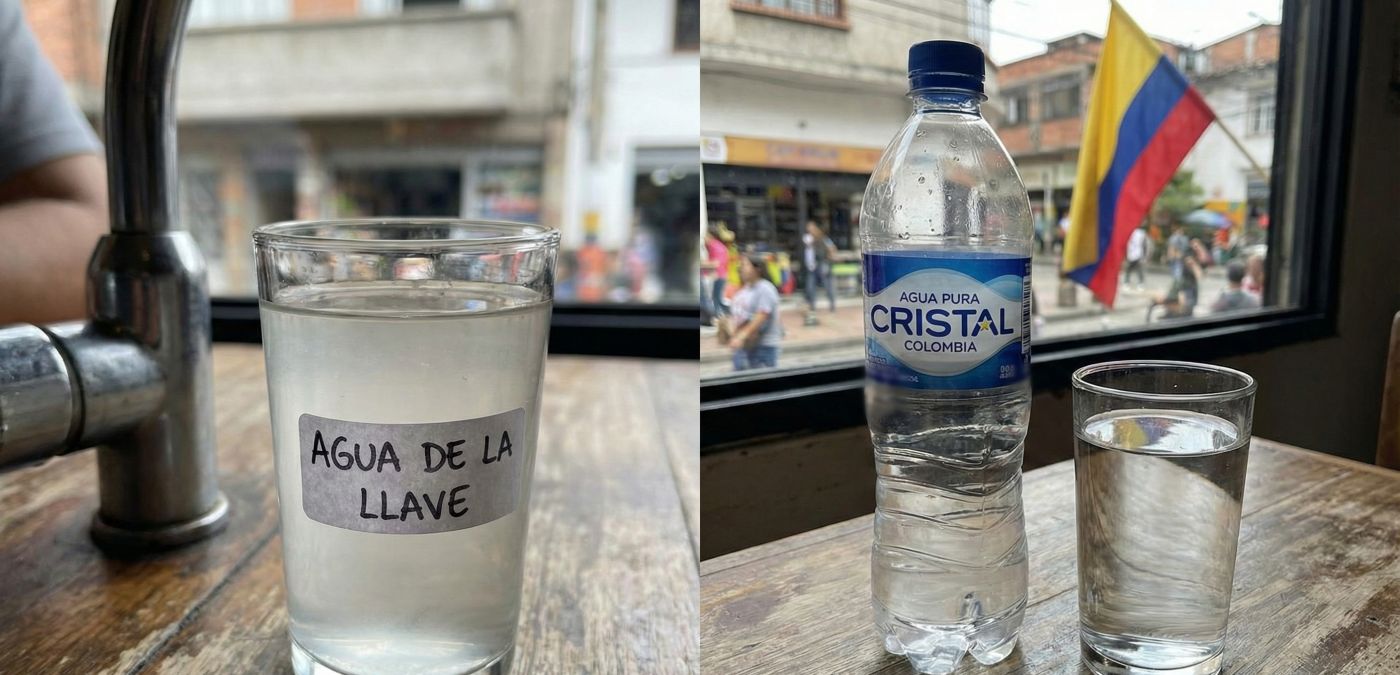
Bogotá: Tap water is technically safe but the altitude makes you dehydrated constantly. You'll drink way more water than normal. Most locals drink it straight from the tap.
Medellín: Best tap water in Colombia. Seriously. People from Medellín are weirdly proud of their water and they're not wrong.
Cartagena: Don't drink the tap water. Just don't. Bottled water only. Even locals buy bottled.
Smaller towns (like Minca, Salento, etc): Depends entirely on the town. Ask locally. Some mountain towns have clean spring water. Others, not so much.
What Actually Makes People Sick
It's usually not the street food. It's:
- Ice cubes - Made with tap water you shouldn't drink
- Raw vegetables - Washed in that same water
- Your body adapting to altitude - In Bogotá, slower digestion means food sits in your stomach longer
- Chicken that's not fully cooked - Happens sometimes, though not everywhere
- That juice stand - If they're adding water to blend it, where's that water from?
Street Food Reality Check
Safe bets:
- Arepas (cooked fresh, no water involved)
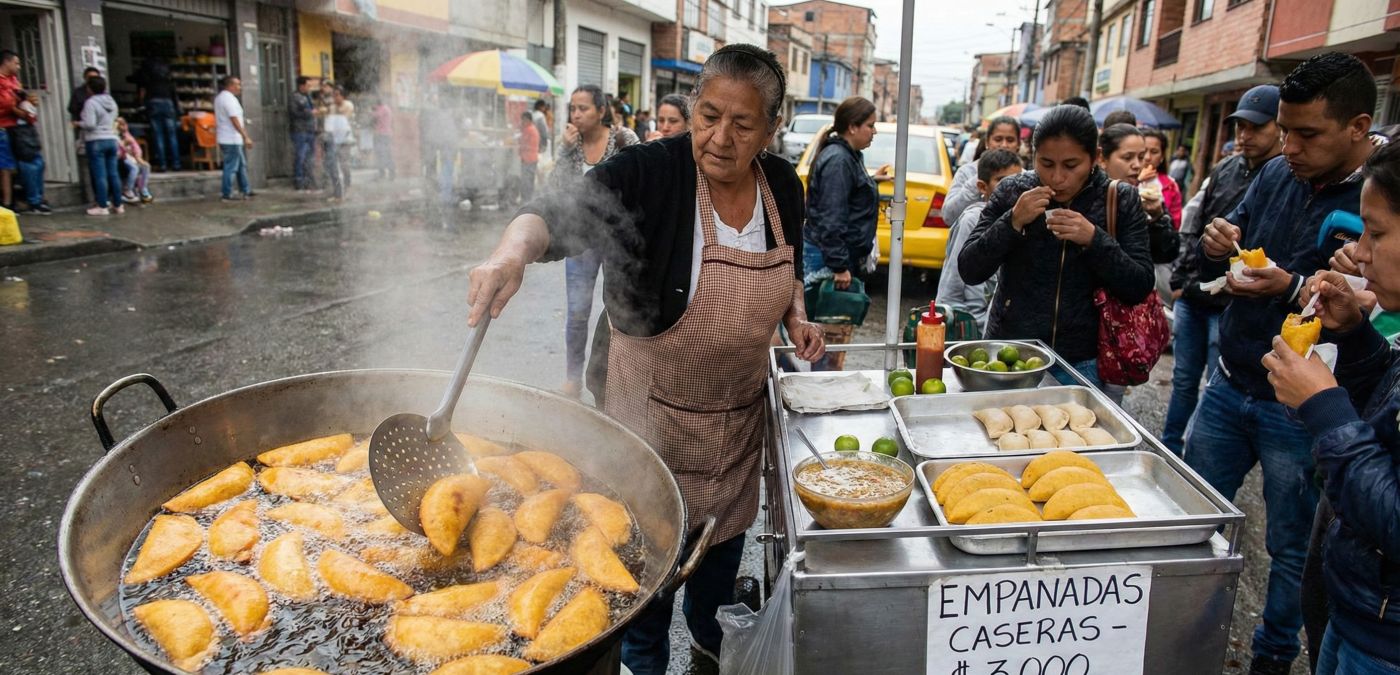
- Empanadas (fried, high heat kills everything)
- Mazorca (grilled corn, you're watching it cook)
- Obleas (dry ingredients, cooked on hot surface)
- Anything fried in front of you
Riskier:
- Fresh fruit cups (washed in what water?)
- Ceviche from a cart (sitting out in heat)
- Juices with added water
- Anything with lettuce or raw tomatoes
- Rice dishes sitting out since morning
The trick: Look for high turnover. If locals are lining up and food is being made constantly, you're probably fine. Empty cart at 3pm with food from 10am? Pass.
Regional Differences
Bogotá: Cooler temperatures slow food spoilage. Your main issue here is your body adapting to altitude for the first few days - eat lighter, stay hydrated, give your digestion time to adjust.
Medellín: Great climate, solid infrastructure, good water quality. The combination makes it easier, not specifically the altitude.
Cali: Hot and lower altitude. Watch water sources and food hygiene practices.
Coffee Region (Salento, Manizales, etc): Generally good water quality, cooler temps, and tourist infrastructure means higher hygiene standards.
Caribbean Coast: Hot and humid. Tourist areas in Cartagena's center usually have strict sanitation standards. Outside tourist zones or with street vendors, heat means food turnover and storage matter more. Seafood should smell like ocean, not fish.
Amazon Region (Leticia): Heat, humidity, and remote supply chains. Stick to well-cooked food and bottled water.
The real factors: temperature affects spoilage speed, hygiene practices vary by establishment, high turnover means fresher food, and local water quality differs by city infrastructure - not just by how high up you are.
Restaurant Red Flags
- No one else eating there during meal times
- Food displayed without sneeze guards in heat
- Flies (I know, they're everywhere, but excessive flies mean problems)
- Buffets that clearly haven't been refreshed in hours
- Raw chicken sitting next to cooked food
- Staff handling money and food without washing hands
What Locals Do
They eat street food all the time. Their digestive systems are adapted to the local bacterial environment that yours isn't yet familiar with. You'll adjust after a few months, but don't compare yourself to locals in your first weeks.
The Bathroom Test
Before you order, check the bathroom. If it's disgusting, the kitchen is worse. This is universal but especially true in Colombia where health inspections are... inconsistent.
Actually Useful Tips
First few days in Bogotá: Eat at established restaurants. Your digestion is adapting to altitude - slower gastric emptying means richer foods sit in your stomach longer. Start light.
Bring Pepto/Imodium: You'll need it eventually. Everyone does.
Ask other expats: They know which specific restaurants have made people sick recently.
Trust your gut: Food smells off? Don't eat it. Being polite isn't worth three days on the toilet.
The coconut rule: Fresh coconut water from a coconut they open in front of you is always safe. It's sterile inside.
What About Bandeja Paisa?
That massive plate of food sitting out since 11am that gets served at 3pm? It's been sitting at room temperature for hours. Sometimes it's fine because portions are made throughout service. Sometimes you're eating food that's been out too long.
Look for places with actual warming trays or that make it to order. The cheap set menu places where everything sits out? Higher risk.
Coffee Country Exception
The coffee region is weirdly safe. Combination of cooler temperatures, mountain water, and tourism infrastructure. You can eat almost anywhere in Salento without worry.
My Actual Experience
Got sick twice in Bogotá - once from a fancy restaurant (go figure), once because my digestion was still adapting to the altitude even though the food itself was fine.
Never got sick in Medellín in 6 months of eating street food regularly.
Cartagena got me once - ceviche that sat in the sun too long. Saw it, questioned it, ate it anyway. Regretted it.
Bottom Line
Colombia isn't dangerous for food. Different regions just have different considerations - temperature, water infrastructure, hygiene standards, and how quickly your body adapts to Bogotá's altitude.
Medellín is easier because of climate and infrastructure. Bogotá challenges your digestion while you adapt. The coast requires attention to food turnover and storage in the heat. Small mountain towns vary based on their specific water sources and hygiene practices.
Your biggest challenge isn't the food itself - it's understanding that altitude affects your digestion temporarily, staying hydrated, and giving your body time to adapt.
Also: Grocery store hours vary - big chains like Éxito stay open until 9-10pm, smaller tiendas close around 7-8pm. Plan accordingly.