Spain has some of the strictest food safety regulations in Europe. You're not going to get food poisoning from tapas. But there are still things worth knowing.
The Tap Water Question
Spanish tap water is safe to drink. Everywhere. Madrid, Barcelona, Valencia, Seville - all fine.
Except:
- Some parts of Andalusia have hard water that tastes terrible but won't kill you
- Rural areas occasionally have issues
- Old buildings might have sketchy pipes
Most Spaniards drink tap water at home. Restaurants serve tap water for free if you ask for "agua del grifo." Bottled water is a preference thing, not a safety thing.
The Jamón Situation
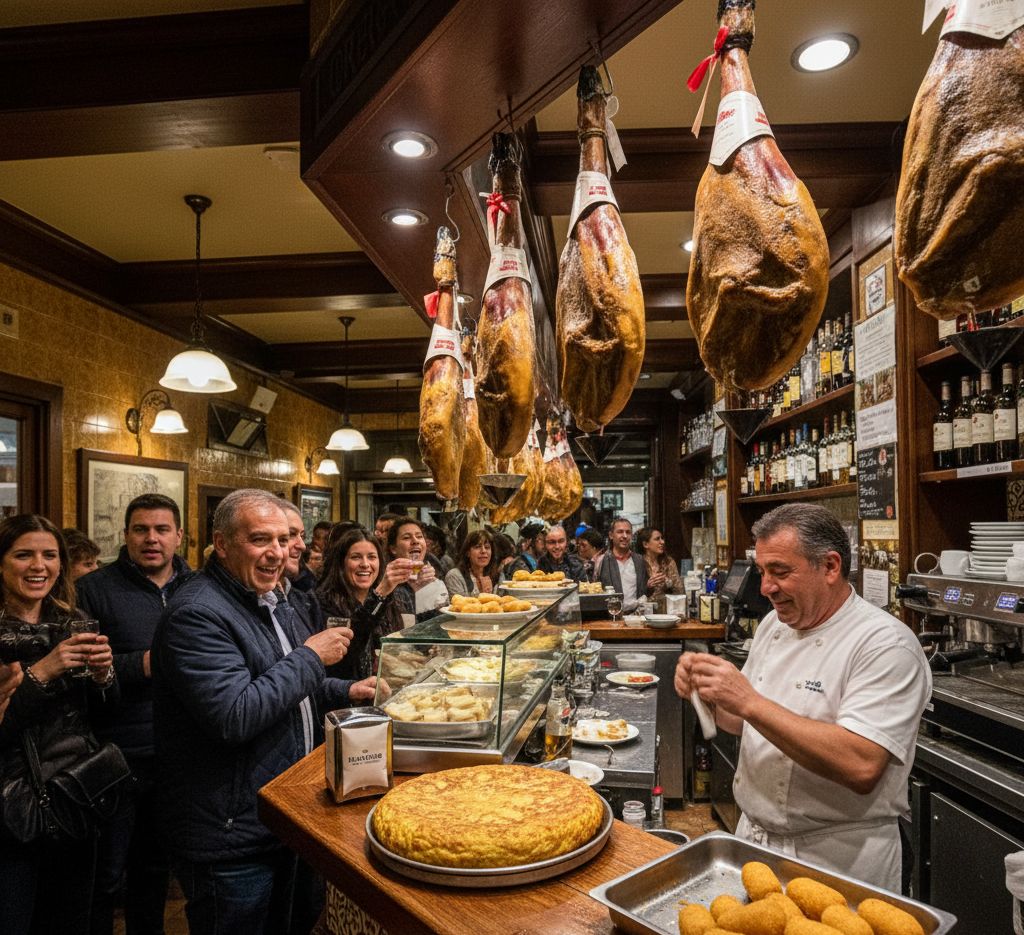
That leg of jamón hanging in the window all day? Perfectly safe.
Jamón ibérico and serrano are cured meats. Salt-cured for months. They're designed to hang at room temperature. The fat protects the meat. It's been done this way for centuries.
Yes, it looks weird to see raw meat hanging in 30°C heat. No, it's not going to make you sick.
Tapas Bar Hopping
Tapas bars are safe. The health regulations are strict. Random inspections happen.
What's normal:
- Food displayed at room temperature on the bar
- Tortilla española sitting out for hours
- Croquetas waiting to be fried
- Olives in bowls on the counter
- Bread in baskets
Why it works:
- High turnover in popular places
- Most tapas are cooked to order
- The displayed food is either cured, pickled, or getting cooked before serving
- Spanish health inspectors don't mess around
Regional Differences
Barcelona/Catalunya: Cosmopolitan, huge tourist infrastructure, everything is adapted to international standards. Super safe.
Madrid: Big city, strict regulations, heavy inspector presence. Safe everywhere.
Andalusia (Seville, Granada, Málaga): Hot summers. Food safety is still good but be aware of things sitting out in heat. Tourist areas are very careful.
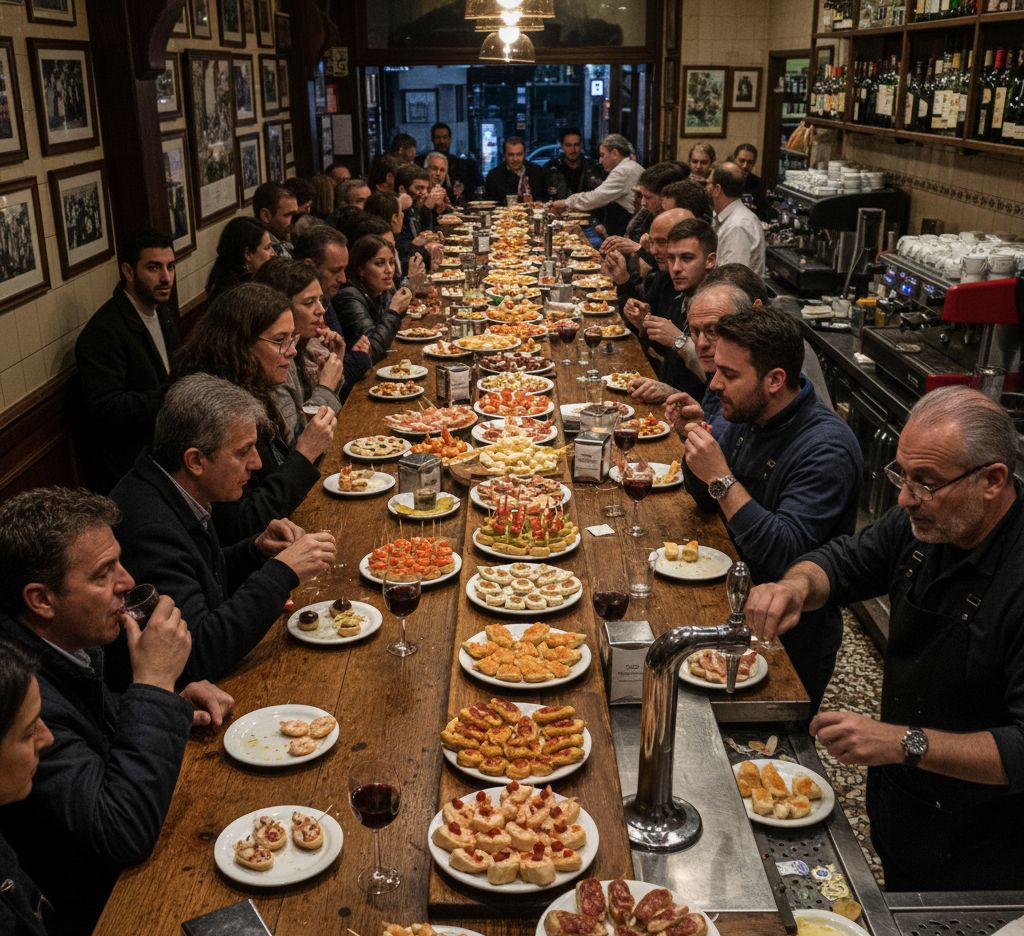
Basque Country (San Sebastián, Bilbao): Pintxos culture, high food standards, cool climate helps. Incredibly safe.
Valencia: Beach city, great food scene, safe. Seafood is fresh.
Islands (Mallorca, Ibiza): Tourist-oriented, good standards in season. Off-season some places get sloppy.
Galicia: Seafood heaven, cold climate, fresh catch daily. Very safe.
Seafood Reality
Spain does seafood right. It's fresh, properly stored, handled correctly.
Green flags:
- Coastal cities with daily catches
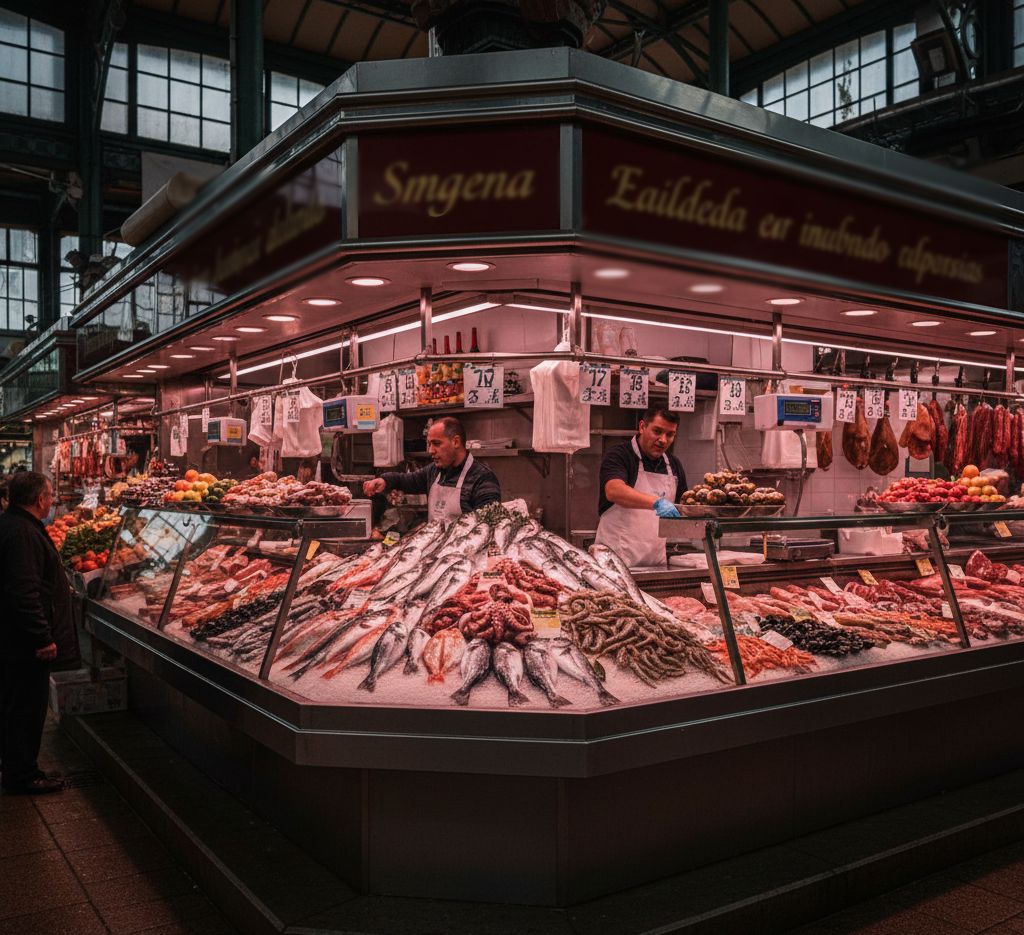
- Fish markets with ice and proper storage
- Restaurants specializing in seafood (they know what they're doing)
- Places packed with locals
Things to know:
- That seafood paella sitting in the window? They made it for display. Your portion is cooked fresh.
- Raw oysters at coastal restaurants? Generally safe.
- Boquerones (marinated anchovies)? Cured in vinegar, safe at room temperature.
- Percebes (goose barnacles)? Weird looking, totally safe, expensive as hell.
Market Shopping
Spanish markets (mercados) are amazing and safe.
Mercado de San Miguel (Madrid), La Boqueria (Barcelona): Tourist traps but food safety is impeccable. Overpriced though.
Local neighborhood markets: Where actual locals shop. Fresh produce daily, meat counters, fish stalls. Everything is properly refrigerated and handled.
Outdoor markets: Weekly farmers markets. Generally safe. Produce is fresh. Avoid pre-cut fruit sitting in heat.
The Siesta Factor
Restaurants close between 4pm-8pm. This is when they clean, prep, reset.
Food from lunch service doesn't sit around until dinner. The kitchen closes, refrigerates everything, starts fresh for dinner.
This is why Spanish meal times seem weird but actually work for food safety.
Menu del Día
The set lunch menu at local restaurants is cheap (€10-15) and safe. They make it fresh daily, serve it during lunch hours, and it's done.
Not gourmet. But safe, filling, and what locals eat.
Things That Look Sketchy But Aren't
Churros from street carts: Fried fresh in front of you. Safe.
Bocadillos at train stations: Pre-made sandwiches look sad but they're fine. Changed out regularly.
Horchata stands: That milky drink from tiger nuts. Safe. It's refrigerated.
Roasted chestnuts in winter: Cooked right there. Safe.
Tortilla at room temperature: This is how it's served. The eggs are cooked, it's fine.
Things That Actually Are Sketchy
Tourist trap restaurants near major attractions: Not unsafe, just overpriced garbage. They survive on tourists who never return.
Beach chiringuitos in off-season: Summer beach bars are great. In October when there's no customers? Food's been sitting.
Pre-packaged sandwiches from random kiosks: Not dangerous but definitely old.
Drinking Culture
Spaniards drink wine, beer, vermouth constantly. It's part of meals.
The alcohol helps with digestion. The social pace of eating (2-3 hours for dinner) means you're not rushing food through your system.
You're more likely to get drunk than sick in Spain.
Grocery Stores
Mercadona, Carrefour, Lidl, Día: Modern supermarkets, refrigeration works, expiration dates matter, everything is regulated. Safe.
Chinese-run convenience stores: 24/7 shops everywhere. Food is fine, just check dates.
Late night kebab shops: Not Spanish food, run by immigrants, variable quality. When drunk at 3am? You'll eat it anyway.
Regional Specialties
Galician octopus (pulpo a la gallega): Boiled, safe, delicious.
Basque pintxos: Small bites on bread. Sitting on the bar but turnover is constant.
Catalan pa amb tomàquet: Bread, tomato, olive oil. Can't get safer.
Valencian paella: Cooked to order (real paella takes 30+ minutes). Safe.
Andalusian gazpacho: Raw vegetables blended with vinegar and olive oil. The acidity keeps it safe.
Madrid cocido: Chickpea stew. Cooked for hours. Safe.
Vegetarian/Vegan Considerations
Spain loves meat. Vegetarian options are improving but limited outside cities.
That "vegetable" paella might have seafood stock. Ask.
Salads are safe. Tap water is drinkable, vegetables are washed properly.
Allergies
Spanish restaurants are legally required to mark allergens on menus. They take it seriously.
Gluten-free options exist. "Sin gluten" is becoming common.
Celiac disease (celiaquía) is understood. Explain it clearly, they'll accommodate.
Street Drinking
It's legal to drink in public in most of Spain. Parks, beaches, streets.
The "botellón" culture (buying cheap booze and drinking in public) is common with young people.
This is relevant because drunk you makes worse food decisions. That sketchy kebab at 4am? Sober you would pass.
My Actual Experience
Lived in Spain for two years. Never got food poisoning. Not once.
Ate at sketchy-looking bars, random market stalls, late-night drunk food. Nothing.
The worst meal was overpriced tourist trap paella near Sagrada Familia. Wasn't dangerous, just sad.
What Actually Happens
You're way more likely to:
- Gain weight (the portions, the tapas culture, the bread with everything)
- Get drunk (wine is cheap, vermouth at 11am is normal, cerveza with lunch always)
- Get sunburned (eating outside in summer heat)
- Get pickpocketed (tourist areas, metro, crowded markets)
Than to get food poisoning.
The Real Risks
Drinking too much on empty stomach: Spanish eating schedule is late (dinner at 10pm). Day drinking on empty stomach then eating heavy food at midnight? Your digestion suffers.
Eating too much too late: That 11pm dinner of fried seafood, potato tortilla, croquetas, and wine? You're not sleeping well.
Dehydration: Summer heat, drinking alcohol, eating salty food. Drink water.
The Mediterranean pace: Rushing through Spanish meals gives you indigestion. Slow down, eat over 2 hours like locals do.
City-Specific Notes
Barcelona: Tourist-heavy. Good food safety but lots of traps charging €20 for mediocre paella. Eat where locals eat in Gràcia or Poble Sec.
Madrid: Authentic, less touristy than Barcelona. La Latina neighborhood for tapas. All safe.
Seville: Hot as hell in summer. Food sitting outside in 40°C heat needs high turnover. Stick to busy places.
San Sebastián: Food capital. Pintxos bars are world-class. Expensive but worth it. Everything is safe.
Valencia: Paella homeland. Beachfront tourist restaurants are overpriced. Head inland to where locals eat.
Málaga: Costa del Sol tourist madness. Beach restaurants vary wildly. Ask locals or expats.
Bottom Line
Spain is one of the safest countries in Europe for food.
EU regulations are strict. Health inspections are real. Restaurants lose licenses for violations.
That weird-looking food that's been sitting out? That's just how tapas culture works. It's safe.
Your biggest risk isn't food poisoning. It's eating and drinking too much, too late, too often.
The Spanish know how to eat. Trust the system. Enjoy the jamón. Drink the tap water.
And for God's sake, don't eat at restaurants with photos of food on the menu near major tourist sites. That's not a food safety issue, that's a dignity issue.