Everyone told me Portugal was safe. "Lowest crime in Europe!" "Perfect for retirement!" "Slower pace of life!" The blogs, the YouTube videos, the expat groups—all said the same thing: Portugal is the safe, warm, easy option.
I'm 52. I moved from Seattle to central Portugal (near Coimbra) in 2023 for early semi-retirement. I wanted peace, safety, nature, a simpler life.
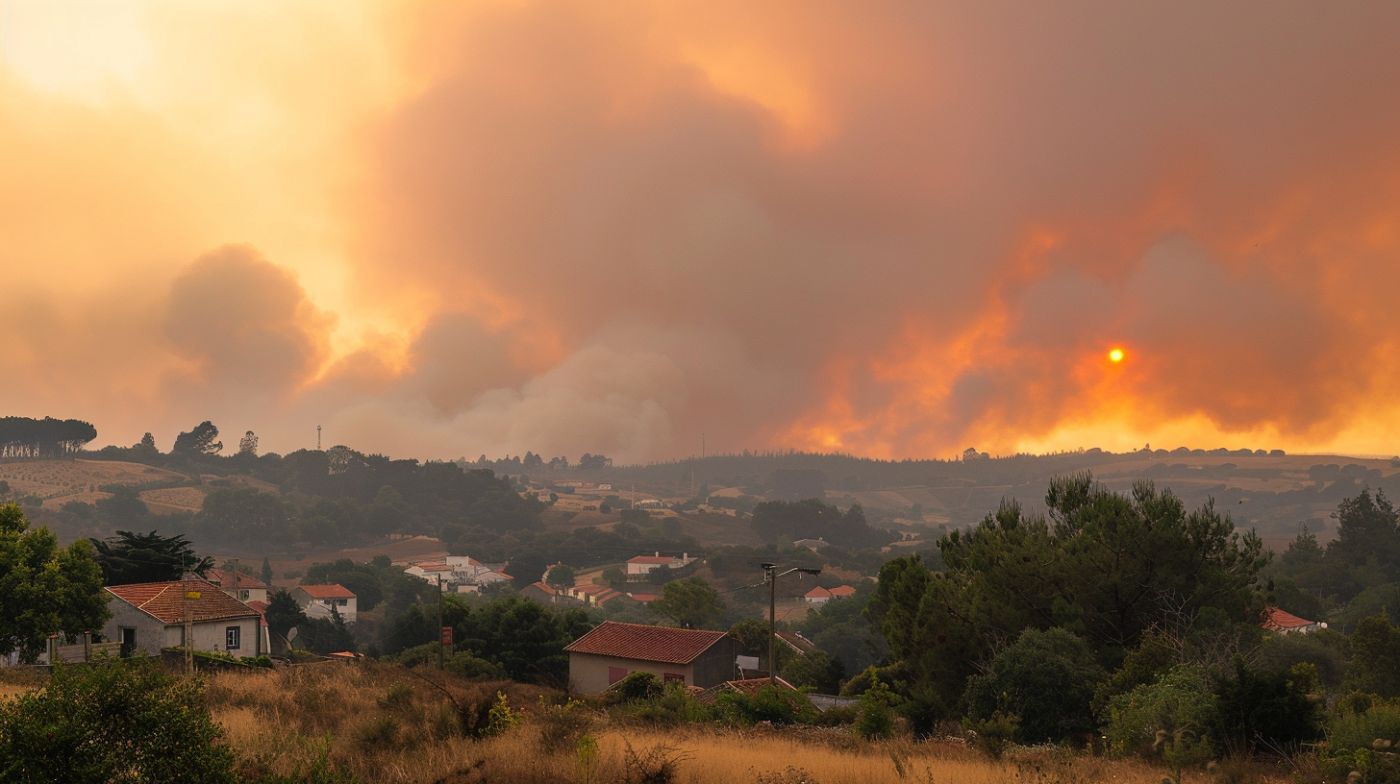
In August 2024, I evacuated my house at 3 AM because a forest fire was half a kilometer away and the smoke was so thick I couldn't see my neighbor's house. I threw my cat in a carrier, grabbed my passport and laptop, and drove through darkness with ash falling on my windshield like snow.
Nobody talks about this when they're selling you the Portuguese dream.
Eighteen months in. Here's what's actually dangerous in Portugal that nobody warned me about.
The Thing That Almost Killed Me: Forest Fires
What happened: August 6, 2024. I woke up at 2:30 AM to a text alert in Portuguese (which I barely speak). Translated it on my phone: "Fire approaching. Prepare to evacuate."
Looked outside. The sky was orange. Ash was falling. The smell of smoke was overwhelming.
I have asthma. The smoke triggered an attack immediately.
What I did:
- Used my inhaler (thank god I had it)
- Threw my cat, meds, documents in the car
- Started driving toward Coimbra
- Roads were clogged with other evacuees
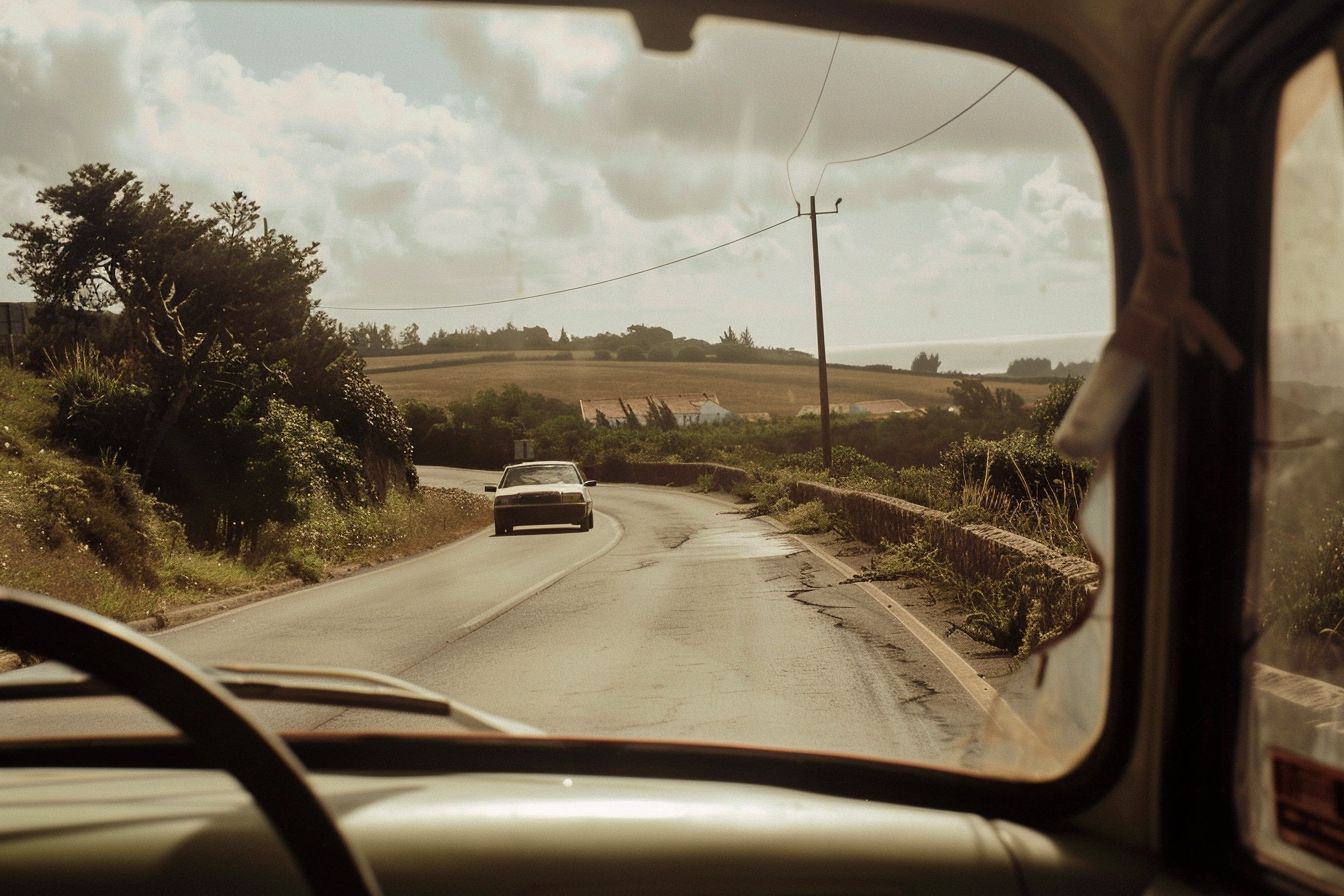
- Couldn't see more than 20 meters ahead
- Fire trucks going opposite direction
- Got to a hotel in Coimbra around 5 AM, still shaking
The fire burned for three days. My house was spared, but my neighbor's garage burned. Several nearby villages were evacuated. Two people died in the region.
What nobody told me:
- Portugal has devastating forest fires EVERY SUMMER
- Central and northern Portugal are high-risk zones
- August-September are peak fire season
- Rural areas can become death traps very quickly
- Eucalyptus trees (everywhere in Portugal) burn extremely fast and hot
- Emergency alerts are in Portuguese only
- Evacuation routes get clogged immediately
- Smoke affects air quality for hundreds of kilometers
Why this happens:
- Hot, dry summers
- Strong winds
- Eucalyptus forests (planted for paper industry, extremely flammable)
- Poor forest management
- Sometimes arson (deliberate or accidental)
- Climate change making it worse every year
What I should have done before moving:
- Researched fire risk in my specific area
- Learned Portuguese well enough to understand emergency alerts
- Created evacuation plan and practiced it
- Had go-bag ready (documents, meds, water, flashlight)
- Cleared vegetation around house (fire break)
- Installed air purifier for smoke season
- Considered NOT living in rural central Portugal at all
Current status: I'm selling my house. Moving to the coast where fire risk is lower. The "peaceful rural life" isn't worth dying for.
The Thing That Scares Me Every Day: Portuguese Driving
Statistics: Portugal has the highest road death rate in Western Europe. By a lot.
Personal experience:
- I've seen three serious car accidents in 18 months
- Nearly been hit by cars running red lights four times
- Been tailgated at 120 km/h on the highway constantly
- Witnessed drunk driving openly (people drive home from restaurants after drinking)
- Seen people on their phones, not using turn signals, passing on blind curves
Why Portuguese driving is dangerous:
- Aggressive driving culture (tailgating, speeding, risky overtaking)
- Many roads are narrow, winding, no shoulders
- Poor road maintenance (potholes, faded markings)
- Motorcycles weave through traffic at high speed
- Pedestrian crossings are treated as suggestions
- Police enforcement is minimal outside cities
- Drunk driving is common (cultural acceptance of "just a glass of wine")
Specific dangers:
- EN roads (national roads): Two-lane highways with no barriers, head-on collision risk
- IP roads (main routes): Fast, aggressive drivers, frequent accidents
- Rural roads: Narrow, blind curves, no lighting, animals crossing
- Roundabouts: Portuguese drivers don't understand right-of-way rules
- Parking: People park anywhere—sidewalks, corners, blocking roads
Personal close calls:
- Driving on EN1, car passed me on a blind curve, nearly hit oncoming truck head-on
- At roundabout, car entered without looking, T-boned me (minor damage, could have been serious)
- Pedestrian crossing in Coimbra, car ran the crosswalk while I was in it (I had to run)
What helps:
- Drive defensively (assume everyone will do the stupidest thing possible)
- Don't drive at night on rural roads (visibility + drunk drivers)
- Avoid driving in August (vacation season, crazy traffic)
- Use highways (A roads) when possible—safer than national roads
- Get full insurance coverage (accidents are common)
- Don't trust that cars will stop at crosswalks
Is this getting better? No. Deaths are decreasing slightly but Portugal still ranks worst in Western Europe.
The Thing I Didn't Expect: Heat Emergencies
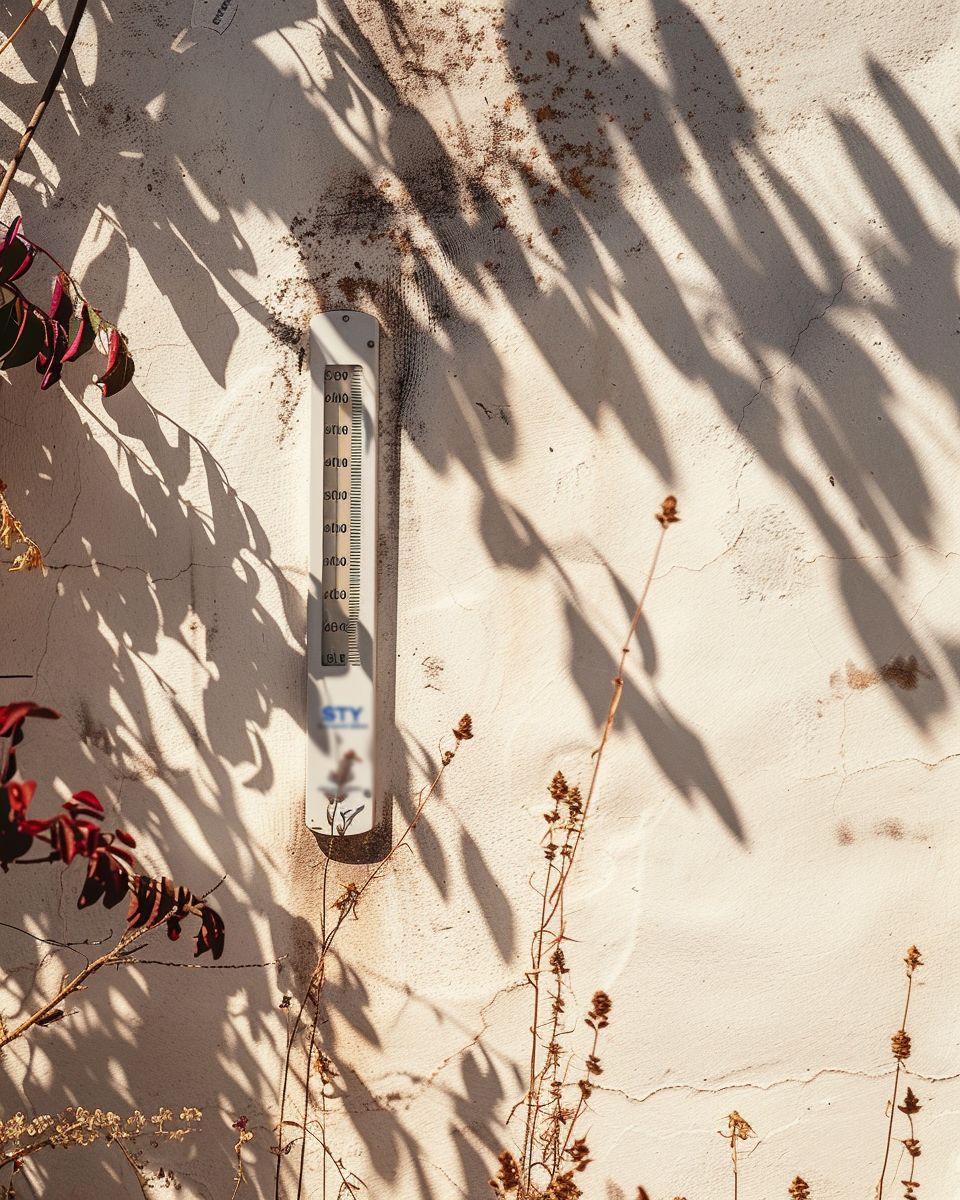
Summer 2024: Record heat. Temperatures reached 46°C (115°F) in some areas. My area hit 42°C (108°F) multiple days in August.
What happened to me:
- Heat exhaustion twice (dizziness, nausea, confusion)
- Mild heat stroke once (stopped sweating, felt cold despite heat, confusion)
- Had to go to emergency room for IV fluids
- Couldn't go outside between 11 AM and 7 PM for weeks
- Air conditioning inadequate (most homes don't have it or it's undersized)
- Sleeping was nearly impossible
- My asthma got worse (heat + smoke from fires)
What killed people:
- Mostly elderly Portuguese (hundreds died in summer 2024)
- Farmworkers (working outside in extreme heat)
- Homeless people (no access to cooling)
- People with pre-existing conditions
- Some tourists (hiking in heat, underestimating risk)
Why heat is dangerous in Portugal:
- Houses are built to retain heat (for winter), terrible for summer
- Air conditioning is not standard
- Many older people have no cooling at all
- Public cooling centers are limited
- People underestimate the danger ("it's a dry heat")
- Medical system gets overwhelmed during heat waves
Warning signs I ignored:
- Stopped sweating (very bad sign)
- Felt cold and confused despite heat
- Dizzy and nauseous
- Headache that wouldn't go away
What saved me:
- Neighbor noticed I wasn't making sense, drove me to emergency room
- IV fluids and cooling
- Admission that I was in serious trouble
What I learned:
- Heat kills. It's not just "uncomfortable"
- If you stop sweating in extreme heat, get help immediately
- Drink water even if you're not thirsty (I wasn't drinking enough)
- Stay inside during peak heat (11 AM - 7 PM)
- Air conditioning is not a luxury, it's a safety necessity
- Check on elderly neighbors (many die alone)
Current status: I installed better air conditioning. I have a heat action plan. I'm looking at coastal areas where it's cooler.
The Medical Thing That Terrifies Me: Emergency Response Times
Rural Portugal problem: Ambulances can take 45+ minutes to arrive.
Why this matters when you're older:
- Heart attack: every minute counts
- Stroke: every minute counts
- Severe allergic reaction: every minute counts
- Major injury: you could bleed out waiting
My neighbor's experience: Had a stroke. Called 112. Ambulance took 52 minutes. By the time he got to hospital, too late for effective treatment. He survived but has permanent disability.
Why this happens:
- Portugal has a shortage of ambulances and paramedics
- Rural areas are deprioritized
- Distance to hospitals is significant
- Some areas only have volunteer firefighter ambulances
- System is underfunded and stretched thin
The hospital problem:
- Nearest hospital is 35 km away
- Emergency rooms are chronically overcrowded (8-12 hour waits common)
- Staff shortages (doctors and nurses emigrating for better pay)
- Equipment outdated in some facilities
- Language barrier (few staff speak English)
What I've done:
- Learned to say medical emergency phrases in Portuguese
- Have my health conditions written in Portuguese (for paramedics)
- Know where nearest private hospital is (faster but expensive)
- Have emergency contacts who can translate
- Seriously considering moving closer to a major hospital
The bitter irony: I moved to Portugal partly for healthcare (everyone says it's great). The system is good IF you live in Lisbon or Porto. Rural Portugal? You're on your own.
The Thing That Creates Danger: Bureaucratic Nightmares
This sounds trivial until it affects your safety.
My experience:
- Tried to get residency card renewed: three appointments cancelled, took 8 months
- During those 8 months, technically illegal to work, travel, or access full healthcare
- Tried to register with a GP (family doctor): told "no doctors available," still on waiting list after 14 months
- Needed prescription refill: couldn't get appointment, ran out of meds for 3 weeks
- Tried to get driving license exchanged: 11 months and still waiting
How bureaucracy becomes a safety issue:
- Can't access healthcare properly without residency card
- Can't get prescriptions without registered GP
- Can't drive legally without exchanged license (insurance invalid)
- Can't prove you're legal if police stop you
- Constant stress affects health (my blood pressure went up)
Why it's so bad:
- System is antiquated (still uses paper for many things)
- Staff shortages everywhere
- Nobody speaks English in government offices
- Appointments get cancelled with no notice
- Different offices give contradictory information
- No centralized information system
Real danger example:
- Friend couldn't renew health card due to bureaucracy
- Got sick, went to hospital
- Hospital initially refused treatment (no valid health card)
- Only treated him when he paid cash upfront
- Cost him €2,000 for what should have been free
- Could have been life-threatening delay
Current status: I've hired a lawyer to handle bureaucracy for me. It's expensive but I can't risk being without legal documents or healthcare access.
What's Actually Dangerous in Portugal (In Order)
1. Forest fires (summer, rural areas)
Every year. Deadly. Fast-moving. Poor evacuation infrastructure.
How to avoid:
- Don't live in rural central/northern Portugal
- If you do, have evacuation plan
- Clear vegetation around house
- Monitor fire alerts (IPMA website)
- Leave early if fire is near (don't wait)
2. Road accidents
Highest rate in Western Europe. Aggressive drivers. Poor roads.
How to avoid:
- Drive very defensively
- Avoid EN roads when possible
- Don't drive at night rurally
- Full insurance coverage
- Consider not driving at all (use trains/buses)
3. Heat waves (summer, especially inland)
Record temperatures. Kills hundreds annually. Houses not built for cooling.
How to avoid:
- Air conditioning (essential, not luxury)
- Stay inside 11 AM - 7 PM in extreme heat
- Drink water constantly
- Know heat stroke symptoms
- Live near coast if possible (cooler)
4. Medical emergencies in rural areas
Slow ambulance response. Distance to hospitals. Emergency room waits.
How to avoid:
- Live near a major hospital
- Have private health insurance (faster access)
- Learn medical Portuguese
- Have emergency contacts
5. Property crime (not violent, but common)
Burglaries, car break-ins, theft from tourists. Non-violent but frustrating.
How to avoid:
- Good locks, security system
- Don't leave valuables in cars
- Be aware in tourist areas
- Lock everything
6. Bureaucratic nightmares affecting access to essential services
Can leave you without healthcare, legal status, ability to work.
How to avoid:
- Hire someone to handle it
- Start processes early (everything takes 6-12 months)
- Keep multiple copies of all documents
- Learn Portuguese or hire translator
Things That Are Not Actually Dangerous
Violent crime: Very low. Portugal is genuinely safe in this respect.
Terrorism: Not a significant risk.
Political instability: Stable democracy, EU member.
Earthquakes: Lisbon had a massive one in 1755. Risk exists but low probability.
Drug use: Decriminalized, visible in cities, but users aren't violent.
Homelessness: Visible in cities, sad but not dangerous.
Language barrier: Frustrating, not dangerous (except in medical emergencies).
What I Wish I'd Known Before Moving
1. "Safe" doesn't mean "no dangers"
Portugal has low crime. Great. But crime isn't the only danger. Fire, heat, driving, medical access—these are the real risks.
2. Rural vs. urban Portugal are completely different
Lisbon/Porto: modern, good services, international, safer. Rural Portugal: beautiful, isolated, limited services, higher risks.
3. Summer is not just "warm and pleasant"
It's dangerously hot. And on fire. Literally.
4. Healthcare is good IF you can access it
Public system is great in theory. In practice: shortages, long waits, bureaucracy, rural areas underserved.
5. Portuguese language is essential
Not for tourism. For survival. Emergency alerts, medical care, bureaucracy—all Portuguese. English is not widely spoken outside tourist areas.
6. Climate change is making Portugal more dangerous
Fires are getting worse. Heat waves are more frequent. Droughts are longer. This isn't the Portugal of 20 years ago.
Practical Safety Tips That Actually Matter
Fire season (June-October):
- Monitor IPMA website for fire alerts
- Have go-bag ready (documents, meds, water, cash)
- Know evacuation routes
- Clear vegetation around property
- Air purifier for smoke
- Don't live in high-risk fire zones
Driving:
- Full insurance coverage
- Dashcam (evidence for accidents)
- Avoid EN roads and night driving
- Assume all drivers are reckless
- Give way to aggressive drivers (don't argue)
Heat:
- Air conditioning is essential
- Stay inside 11-7 PM in extreme heat
- Drink water constantly
- Know heat stroke symptoms (stop sweating = emergency)
- Check on elderly neighbors
Medical:
- Private health insurance (€50-100/month)
- Learn medical Portuguese phrases
- Live near a hospital
- Have emergency contacts
- Keep medications stocked
Bureaucracy:
- Start all processes immediately (everything takes months)
- Keep physical and digital copies of documents
- Hire lawyer/translator if you don't speak Portuguese fluently
- Don't let documents lapse (renewal takes forever)
General:
- Learn Portuguese (not optional)
- Have emergency fund (medical, legal, travel)
- Don't romanticize rural life
- Research specific area risks before moving
- Have exit plan if things go wrong
Emergency Contacts
112 - General emergency (police, fire, ambulance—English available)
English-speaking medical:
- British Hospital Lisbon: +351 21 721 3400
- CUF hospitals (private, English-speaking): Multiple locations
- Hospital da Luz (private): Lisbon, Porto
Fire information:
- IPMA (weather/fire alerts): www.ipma.pt
- ANEPC (civil protection): www.prociv.pt
Resources:
- Expats in Portugal (Facebook groups—multiple)
- Portugal Residency Advisors (legal help)
- SEF (immigration): www.sef.pt
- SNS (health service): www.sns.gov.pt
Final Thoughts
Portugal is safe from crime. The statistics are real. You're unlikely to be mugged, assaulted, or robbed violently.
But safety isn't just about crime.
Portugal's dangers are:
- Environmental (fires, heat, natural hazards)
- Infrastructural (slow emergency response, poor roads)
- Systemic (bureaucracy, healthcare access)
- Cultural (driving behavior, language barriers)
I came here for a peaceful, safe retirement. Instead I've:
- Evacuated from a forest fire
- Been to emergency room for heat stroke
- Nearly been killed by drivers multiple times
- Gone months without proper medical access
- Spent thousands on bureaucracy
Am I leaving Portugal? I don't know yet. I love aspects of it. But the "safe paradise" narrative is misleading.
If I could tell myself one thing before moving: "Low crime doesn't mean no danger. Research fire risk, heat risk, medical access, and driving statistics. The real dangers are environmental and systemic, not criminal."
Portugal isn't dangerous the way people imagine. But it's not as safe as the lifestyle blogs claim.
Last updated: October 2024. Based on 18 months living in central Portugal. Lisbon/Porto experiences differ significantly. I'm not a safety expert, just an expat sharing personal experience.
Fire data from IPMA and ANEPC. Road safety from EU Transport Statistics. Heat mortality from DGS (Portuguese Health Authority). Healthcare info from SNS and personal experience.