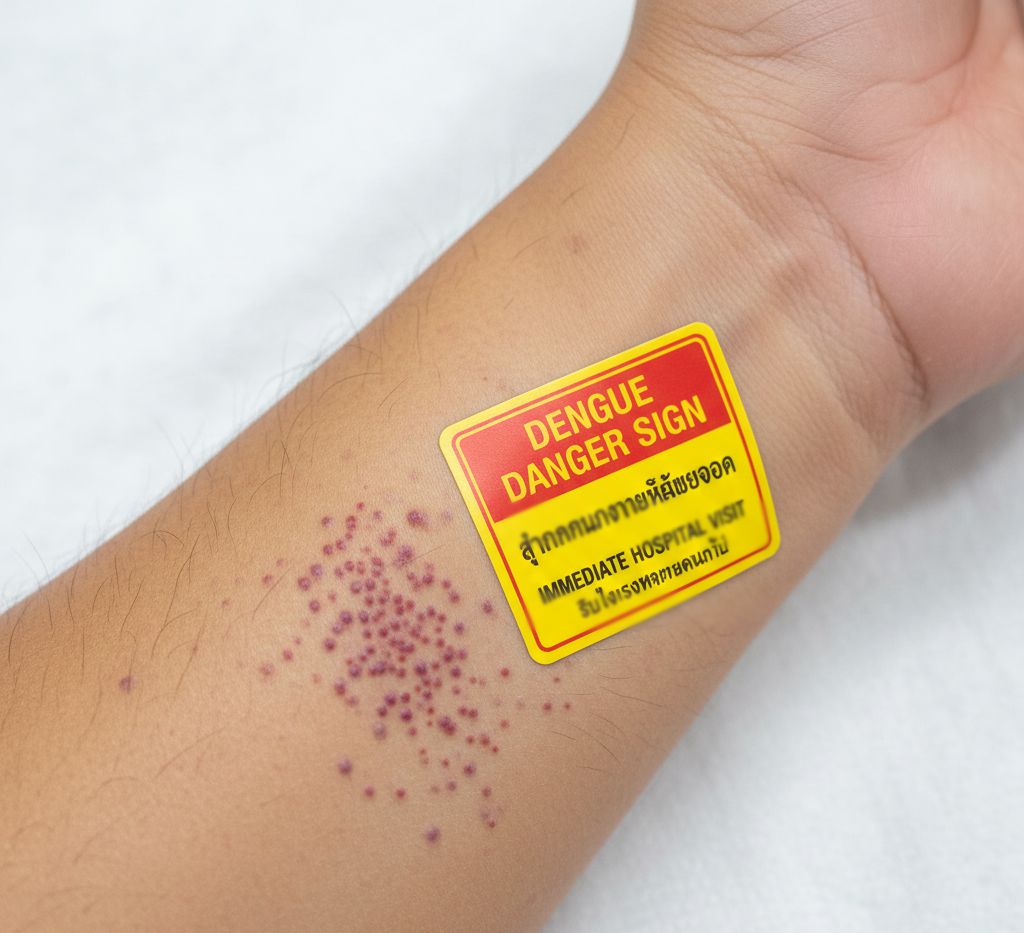
Dengue can kill. Food poisoning usually won't. Knowing the difference matters.
Last year, 130,000 people in Thailand were hospitalized with dengue. About 150 died. Most were caught too late - they thought it was just the flu or dehydration until symptoms got severe. By then, treatment is harder and more expensive.
This isn't meant to replace a doctor. It's meant to help you figure out when you need to see one immediately versus when you can wait 24 hours.
Bangkok has excellent hospitals. You just need to know when to actually go to them.
How to Use This Guide
Follow the symptom clusters below. Each section asks specific questions to help differentiate between conditions. Pay attention to timing - Day 1 symptoms versus Day 3 symptoms can mean completely different things.
When it says "go now," it means go to a hospital emergency room. When it says "see a doctor today," it means get an appointment or walk into a clinic within 12 hours. When it says "monitor," it means watch for changes and be ready to escalate.
Prices listed are from Bangkok hospitals as of late 2024/early 2025. Your city might differ.
FEVER + HEADACHE + BODY ACHES
You feel terrible. Fever over 38.5°C (101.3°F). Headache that won't quit. Your body hurts everywhere.
First question: Do you have a rash?
NO RASH YET
Second question: How many days have you had symptoms?
Days 1-2: Could be dengue, COVID, flu, or a dozen other viral infections. They all look the same at this stage.
What makes dengue more likely:
- Severe pain behind your eyes (dengue is often called "breakbone fever" for a reason)
- Extremely high fever (39-40°C / 102-104°F)
- Extreme fatigue - not just tired, but can barely get out of bed
- It's rainy season (June-November) or you've been in areas with standing water. Dengue cases surge particularly after heavy rains when mosquito breeding increases
What makes it less likely to be dengue:
- You have a runny nose (dengue doesn't usually cause this)
- You have a productive cough (again, not typical for dengue)
- Symptoms came on gradually (dengue hits fast and hard)
What to do (Days 1-2):
- Hydrate aggressively. Drink 100-200 mL of oral rehydration salts every 15-20 minutes. Take smaller sips if you're feeling nauseous. If you're vomiting and can't keep fluids down for more than 4-6 hours, or if you're urinating very little or not at all, seek medical care - you may need IV fluids
- Take paracetamol (acetaminophen) ONLY for fever and pain - this is critical
- DO NOT take ibuprofen, aspirin, or any NSAIDs - these increase bleeding risk if it turns out to be dengue. Until dengue is ruled out, paracetamol is the only safe pain/fever medication
- Monitor for warning signs (see below)
- If you can't keep fluids down or fever hits 40°C+, see a doctor today
Days 3-7: This is when dengue gets dangerous if you have it. Around days 3-4, fever often drops (you might think you're getting better), but this can be the start of the "critical phase."
Dengue warning signs - go to hospital NOW if you have any of these:
- Severe abdominal pain or abdominal tenderness
- Persistent vomiting (can't keep anything down)
- Bleeding from gums, nose, or vomiting blood (mucosal bleeding)
- Black tarry stools
- Extreme drowsiness, lethargy, or restlessness/irritability
- Cold, clammy skin
- Clinical fluid accumulation (ascites, pleural effusion)
- Enlarged liver (hepatomegaly)
- Rising hematocrit with falling platelet count (if you've had blood tests)
These indicate you're entering severe dengue (dengue hemorrhagic fever). This kills people. Don't wait.
If no warning signs but fever persists past day 3: See a doctor and get tested. Dengue testing costs 800-1,500 baht at most clinics.
Test timing matters:
- NS1 antigen test: Most useful Days 0-5 of illness
- IgM antibody: Typically turns positive Day 4-5 onward
- IgG antibody: Appears later or used in paired samples
For suspected dengue during Days 3-7, doctors will also track your Complete Blood Count (CBC). Rising hematocrit with falling platelets is a key warning sign of progression to severe dengue. This is why they may want serial blood draws rather than just one test.
YES, I HAVE A RASH
What does the rash look like?
General flushing (first 24-48 hours): Some dengue patients develop diffuse flushing or redness of the face, neck, and chest in the first 1-2 days. This is early and non-specific but can be a sign.
Fine red rash with "islands of white in a sea of red" pattern: This typically appears around days 3-6, often as fever is breaking. It's called the "convalescent rash." The pattern looks like small patches of normal skin surrounded by red rash. This usually means you're past the worst part but still need medical monitoring to ensure you're recovering properly.
Red spots that DON'T blanch when you press on them (petechiae): Go to the hospital now. These are pinpoint red/purple spots that stay visible when you press the skin. This indicates low platelets and bleeding under the skin - a sign of severe dengue requiring immediate care.
Large blotchy rash with itching: Less likely to be dengue. Could be an allergic reaction, heat rash, or a different viral infection.
Note: Phone flash can make rashes look different than they appear in person. Don't rely solely on photos for assessment.
Malaria note: Bangkok itself has very low malaria risk, but if you've traveled to border provinces (Myanmar, Cambodia, Laos borders) or forested areas in the past month and develop fever, ask your doctor about malaria testing. Malaria symptoms can overlap with dengue but require different treatment.
STOMACH ISSUES
Diarrhea, nausea, vomiting, abdominal cramping. Welcome to Thailand, where this happens to almost everyone eventually.
First question: Do you have a fever?
YES, FEVER + STOMACH ISSUES
How high is the fever and how sick do you feel overall?
Low-grade fever (under 38.5°C), feel crappy but functional: Probably food poisoning or viral gastroenteritis. Most common causes in Thailand: street food with contaminated water, ice in drinks, unwashed fruit/vegetables.
Timeline matters:
- Symptoms 1-6 hours after eating = bacterial toxin (staph, B. cereus)
- Symptoms 12-48 hours after eating = bacterial infection (salmonella, E. coli, campylobacter)
- Symptoms 2-7 days after potential exposure = could be rotavirus, norovirus
What to do:
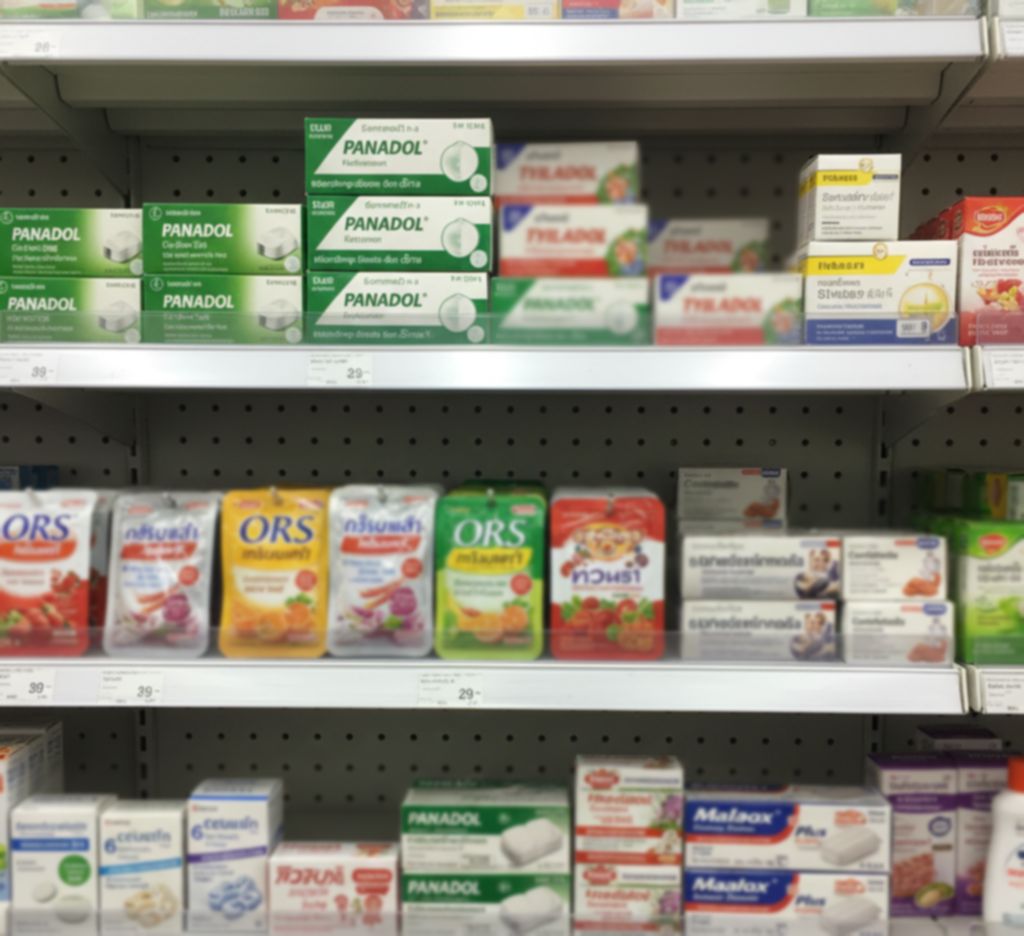
- Hydrate constantly. Oral rehydration solution is better than water (available at any 7-Eleven or pharmacy for 15-30 baht)
- Let it run its course for 24 hours
- Avoid solid food if you're vomiting; add bland food gradually (rice, bananas, toast)
- If diarrhea persists more than 3 days or you see blood, see a doctor
High fever (39°C+) with severe diarrhea: Could be dysentery (bacterial infection like Shigella) or typhoid. These need antibiotics.
Red flags that mean "see a doctor today":
- Blood or mucus in stool
- Severe dehydration (not urinating, dark urine, extreme thirst, dizziness when standing)
- Can't keep any fluids down for more than 12 hours
- Severe abdominal pain that's getting worse
Important: Don't self-start leftover antibiotics you have at home. Antibiotic resistance is significant in Southeast Asia, and treatment should follow local resistance patterns. If a doctor prescribes antibiotics for traveler's diarrhea in Thailand, azithromycin is typically preferred over fluoroquinolones due to resistance patterns.
Cost of treatment: Basic consultation and stool test at a clinic runs 1,500-2,500 baht. Antibiotics if needed add another 300-800 baht.
NO FEVER, JUST STOMACH DISASTER
When did it start and what exactly is happening?
Sudden onset, mostly vomiting, some diarrhea: Classic food poisoning. Usually viral or bacterial toxin. Miserable but not dangerous unless you get dehydrated.
Timeline: Usually resolves in 24-48 hours.
Persistent diarrhea without much vomiting: Could be:
- Giardia (parasitic infection) - diarrhea lasts weeks, often sulfur-smelling, comes and goes
- Traveler's diarrhea (E. coli) - watery diarrhea, cramping, usually improves in 3-5 days
- Food intolerance (lactose, spicy food overload) - depends what you've been eating
How to tell if it's giardia:
- Diarrhea for more than a week
- Foul-smelling gas and stool
- Bloating and cramping that comes in waves
- No fever or only low-grade
If you suspect giardia, see a doctor. Stool test confirms it. Treatment is physician-directed with either metronidazole (multi-day course; avoid alcohol during treatment and for 48 hours after) or tinidazole (often single-dose). Untreated giardia can last months.
Sudden severe vomiting with no diarrhea: Could be norovirus or food poisoning from toxins. If you ate something and within 2-6 hours you're projectile vomiting, it's probably bacterial toxin. These pass quickly (8-24 hours) but you need to stay hydrated.
Go to hospital if: You haven't urinated in 8+ hours, you're vomiting blood, or you have severe dehydration symptoms.
RESPIRATORY SYMPTOMS
Cough, congestion, sore throat, difficulty breathing.
First question: Can you breathe normally?
NO - DIFFICULTY BREATHING
Go to the hospital now. Don't wait. This could be:
- Severe asthma attack
- Pneumonia
- COVID (especially if unvaccinated)
- Allergic reaction
Danger signs requiring immediate ER visit:
- Breathing rate ≥30 breaths per minute at rest
- Using accessory muscles (shoulders/neck) to breathe
- Unable to speak full sentences without gasping
- Bluish lips or fingernails (cyanosis)
- SpO₂ oxygen saturation <92% (if you have a pulse oximeter)
- Severe wheezing or chest tightness
YES - BREATHING IS FINE, JUST CONGESTION/COUGH
Do you have a fever?
YES, fever with respiratory symptoms:
Could be:
- COVID-19 (still circulating, though case numbers are lower than 2020-2022)
- Flu
- Upper respiratory infection (common cold viruses)
How to differentiate:
COVID tends to: loss of taste/smell (though less common with newer variants), dry cough, fever, fatigue. Get tested if you're concerned or around vulnerable people. Antigen tests (rapid, cheaper) available at pharmacies (120-250 baht) or clinics (300-600 baht). PCR tests (more accurate, pricier) at clinics/hospitals (800-1,500 baht) - some facilities may require PCR for confirmatory purposes.
Flu tends to: sudden onset, high fever (39-40°C), severe body aches, dry cough, extreme fatigue.
Common cold: gradual onset, lower fever (or none), runny/stuffy nose, sneezing, sore throat.
What to do: For all three, treatment is similar:
- Rest
- Fluids
- Paracetamol for fever/aches
- Decongestants if needed (available OTC at pharmacies)
See a doctor if:
- Fever lasts more than 5 days
- You have pre-existing conditions (asthma, COPD, heart disease)
- Symptoms are getting worse instead of better
- You develop shortness of breath
NO fever, just cough/congestion:
Welcome to Bangkok air quality issues. Between December and March, pollution gets bad enough that healthy people develop respiratory symptoms.
Check air quality: Use apps like IQAir or AirVisual. Understanding AQI levels:
- 0-50: Good
- 51-100: Moderate
- 101-150: Unhealthy for Sensitive Groups (people with asthma, heart disease, elderly, children)
- 151-200: Unhealthy for everyone
- 201+: Very Unhealthy to Hazardous
From 101+, consider getting an N95 mask (30-80 baht at pharmacies), use indoor air purifier, and reduce outdoor activity duration. From 151+, limit outdoor exertion significantly.
If AQI is consistently high:
- Get a good mask (N95 or equivalent) - costs 30-80 baht at pharmacies
- Use air purifier indoors
- Limit outdoor activity on bad days
- Consider leaving the city during peak pollution season if it's affecting you badly
If air quality is fine but you still have persistent cough:
- Could be allergies (very common in Thailand - dust, pollen, mold)
- Could be throat irritation from spicy food, air conditioning
- Could be mild asthma
Persistent cough (more than 3 weeks) should be checked by a doctor. TB is uncommon in expats but not impossible. See a doctor sooner if you have: weight loss, night sweats, coughing up blood (hemoptysis). Chest X-ray costs 500-900 baht at most clinics.
SKIN PROBLEMS
Rashes, itching, bumps, infections.
What does it look like?
RED, ITCHY BUMPS
Are they in a line or cluster, mainly on exposed skin?
YES: Probably insect bites. Mosquitoes, bed bugs, or sand flies.
Mosquito bites: usually scattered, appear within hours of being bitten, itchy for 2-3 days.
Bed bug bites: often in a line or cluster, appear overnight, very itchy, can last a week.
Sand fly bites: tiny red dots, extremely itchy, common at beaches.
Treatment: Anti-itch cream (hydrocortisone 1%, available OTC for 60-120 baht), oral antihistamine (cetirizine, loratadine - 30-80 baht), don't scratch.
NO, just random itchy bumps all over:
Could be:
- Heat rash (prickly heat) - common in hot, humid weather, especially if you sweat a lot
- Allergic reaction - new food, new medication, new soap/detergent
- Fungal infection - if bumps are in skin folds (groin, under breasts, between toes)
Heat rash: Small red bumps, mainly on trunk, neck, armpits. Keep skin cool and dry, wear loose clothing, use powder. Resolves in a few days.
Allergic reaction: Sudden onset, could have other symptoms (itchy eyes, runny nose). Take antihistamine. If it's severe (swelling, difficulty breathing), go to hospital.
Fungal infection: Red, scaly, often ring-shaped patches. Very common in Thailand's humidity. Use antifungal cream twice daily (clotrimazole, miconazole - 80-150 baht at pharmacy) for about 2 weeks. Avoid steroid combination creams on suspected fungal rashes - steroids can make fungal infections worse. Keep affected area dry.
PAINFUL RED AREA THAT'S HOT TO TOUCH
Is it spreading?
This is a bacterial skin infection (cellulitis). Common in Thailand because:
- Humidity makes skin maceration more likely
- Minor cuts/scrapes get infected easily
- Lots of people walking barefoot or in sandals
Small area (less than 5cm), not spreading: Clean the area, apply antibiotic ointment, monitor. Helpful tip: mark the edge of the redness with a pen to track if it's spreading over the next 12-24 hours. If it's not better in 24-48 hours or starts spreading beyond your marks, see a doctor.
Large area or spreading: See a doctor today. You probably need oral antibiotics. Untreated cellulitis can get serious fast - I've seen people go from "small red area" to hospitalized in 2 days.
Cost: Doctor visit + antibiotics runs 1,200-2,000 baht.
Red streaks extending from the infected area: Go to hospital now. This is lymphangitis (infection spreading through lymph vessels) and needs immediate IV antibiotics.
WHEN TO GO TO WHICH FACILITY
Bangkok has several tiers of medical facilities. Knowing which one to use saves time and money.
GOVERNMENT HOSPITALS (cheap, long waits)
Examples: Ramathibodi, Siriraj, Chulalongkorn Hospital
Costs:
- Outpatient visit: 50-200 baht
- Emergency room: 200-500 baht
- Diagnostic tests: Very cheap (blood work 150-400 baht, X-ray 100-300 baht)
When to use: Non-urgent issues when you have time to wait and cost is a concern. Emergency care is fine but waiting rooms are crowded.
English ability: Major teaching hospitals like Siriraj, Chulalongkorn (King Chulalongkorn Memorial Hospital), and Ramathibodi have more English-speaking doctors than smaller government facilities. Still expect waits - bring a Thai-speaking friend or use a translator app if possible.
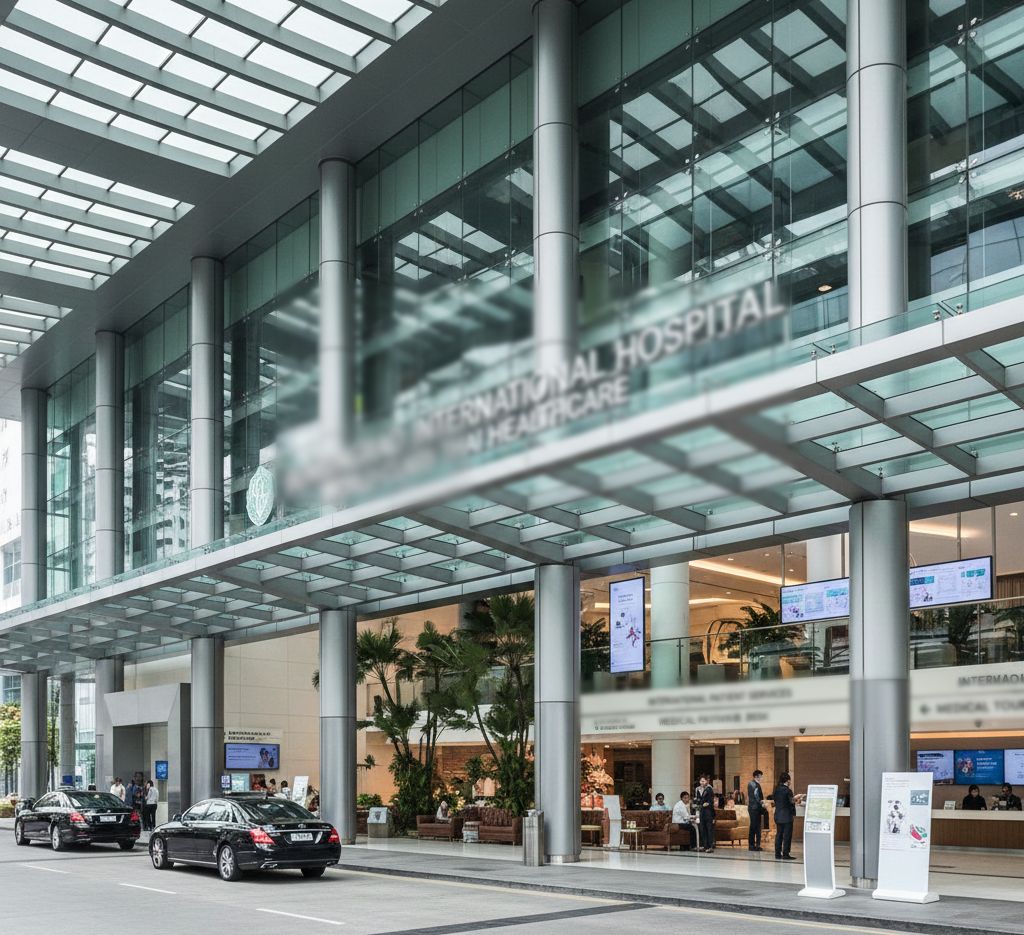
PRIVATE INTERNATIONAL HOSPITALS (expensive, fast, English-speaking)
Examples: Bumrungrad, Bangkok Hospital, Samitivej, BNH
Costs:
- Outpatient visit: 1,500-3,000 baht
- Emergency room: 3,000-5,000 baht just to walk in (plus after-hours surcharges)
- Diagnostic tests: 2-3x government hospital prices
- Note: Some facilities charge higher rates for self-pay foreigners vs insured patients. Bring ID, insurance card if you have one, and a credit card. ER may require a deposit.
When to use: When you need English-speaking doctors, when speed matters, when insurance is covering it, when you have a complex condition needing specialists.
These hospitals are genuinely world-class. Bumrungrad, Samitivej, and Bangkok Hospital have JCI (Joint Commission International) accreditation, which many international insurers prefer or require. But you pay for the convenience.
PRIVATE THAI HOSPITALS (middle ground)
Examples: Phyathai, Rama, Paolo Memorial
Costs: Between government and international hospitals. Consultation 500-1,200 baht.
When to use: If you speak some Thai, want better than government but can't afford international, or you're in a neighborhood without many options.
English ability: Some doctors speak English, many don't. Varies by location.
CLINICS
Random clinics all over Bangkok. Quality varies wildly.
Costs: Consultation 300-800 baht.
When to use: Minor issues (stomach bug, rash, basic prescription refills), when you know what you need and just want it treated quickly.
Avoid for: Anything serious or requiring diagnostics beyond basic blood work.
WHICH EMERGENCY ROOM?
True emergency (can't breathe, severe bleeding, chest pain, stroke symptoms): Go to the closest hospital emergency room regardless of type. Every hospital in Bangkok can stabilize you, then transfer if needed.
Urgent but not life-threatening: International hospital ER if you have insurance or money. You'll be seen faster and they can do comprehensive testing if needed.
Government hospital ER if cost matters and you can handle a few hours wait.
Not urgent, just can't wait for an appointment: Walk-in clinic or private Thai hospital. Don't clog up emergency rooms with non-emergencies - it's expensive and you'll wait forever anyway.
WHAT TO KEEP AT HOME
Having these on hand means you can handle minor stuff without running to a pharmacy at 2am:
Medications (all available OTC at Thai pharmacies):
- Paracetamol (500mg tablets) - fever, pain - 20-40 baht. Maximum 3,000-4,000 mg/day (lower if you have liver disease or low body weight). Avoid taking multiple medications containing paracetamol simultaneously
- Oral rehydration salts - dehydration, diarrhea - 15-30 baht per packet
- Loperamide (Imodium) - stops non-bloody diarrhea - 80-120 baht. Warning: Only use for diarrhea without fever, blood, or mucus. Do NOT use if you have fever ≥38.5°C, blood or mucus in stool, or severe abdominal pain. Seek medical care instead in those cases
- Antihistamine (cetirizine or loratadine) - allergies, itching - 30-80 baht
- Antacid - heartburn - 60-150 baht. Famotidine (H2 blocker) or omeprazole/esomeprazole (PPIs - note these act slower but last longer)
- DEET or picaridin insect repellent - mosquito prevention - 80-200 baht
- Zinc supplement - optional, can shorten diarrhea duration modestly - 100-180 baht
Supplies:
- Thermometer (digital) with spare batteries - 150-300 baht
- Bandages, gauze, tape - 100-200 baht
- Antibiotic ointment or antiseptic - 60-100 baht
- Hydrocortisone cream 1% - anti-itch - 80-120 baht
- Hand sanitizer
What NOT to take without doctor advice:
- Antibiotics (yes, they're OTC here, but resistance is a problem - don't self-prescribe)
- Ibuprofen or aspirin if you might have dengue
- Any medication you're not sure about
A NOTE ON TESTING
Bangkok hospitals love to run tests. Sometimes useful, sometimes overkill.
Tests worth getting:
- Dengue test if you have fever + symptoms (800-1,500 baht). Remember NS1 is best Days 0-5, IgM from Day 4-5 onward. For suspected dengue, serial CBCs (multiple blood draws over Days 3-7) are important to track hematocrit and platelets - this is standard monitoring, not unnecessary
- COVID test if symptomatic and around others (antigen 120-600 baht, PCR 800-1,500 baht)
- Stool test if diarrhea persists more than 3 days (500-900 baht)
- Chest X-ray for persistent cough (500-900 baht)
- Complete blood count (CBC) if doctor suspects infection (300-600 baht)
Question before accepting:
- IV drip: If you're drinking and urinating normally, ask if IV fluids are truly necessary. Sometimes they're helpful, sometimes they're just revenue
- Comprehensive panels: Some hospitals suggest panels costing 5,000-10,000 baht for basic complaints. Ask: "What are you testing for and why? Will a more targeted test answer the question?" Always ask the price. You can decline tests you don't think you need.
Important Disclaimer: This guide is based on common conditions I've seen (or had) after five years in Thailand. It's not a medical diagnosis and shouldn't replace professional medical advice. Weird tropical diseases exist. Strange infections happen. If your symptoms don't fit these patterns cleanly, if you're genuinely worried, or if anything feels seriously wrong, just see a doctor. Don't try to self-diagnose complex or severe conditions.
Healthcare here is affordable enough that "when in doubt, get checked" is reasonable advice.
Stay hydrated. Wear sunscreen. Don't eat from food carts that have no customers. Check expiration dates on medication. You'll probably be fine.