Portugal is safe for food. EU standards, good infrastructure, food culture that values freshness. But there are things about Portuguese food habits that confuse foreigners.
Tap Water Reality
Safe to drink in all major cities. Lisbon, Porto, Braga, Coimbra - tap water is treated and drinkable.
But many Portuguese people drink bottled water anyway. Not because tap water is unsafe, but because:
- Taste varies by neighborhood (old pipes affect flavor)
- Cultural habit (bottled water is cheap)
- Water hardness varies by region
If locals are drinking tap water in their homes, it's fine for you too.
Islands (Azores, Madeira) have good water infrastructure too. Drink the tap water.
Seafood Culture
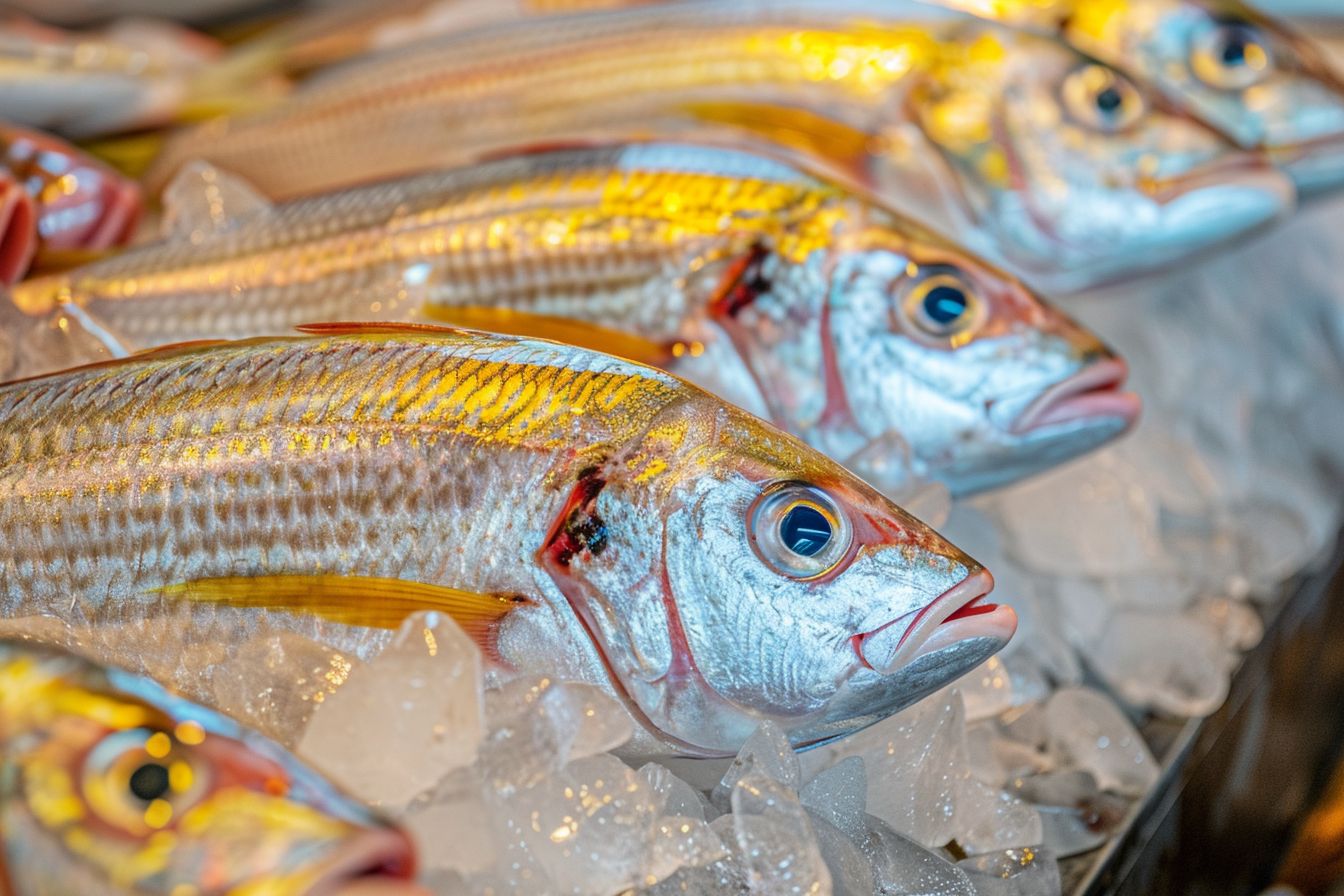
Portugal consumes more fish per capita than almost any country in Europe. They know seafood.
Fresh fish indicators:
- Clear, bright eyes (not cloudy)
- Shiny skin
- Smells like ocean, not fishy
- Firm flesh
- Red or pink gills
Portuguese fish markets have incredible turnover. Coastal cities get daily catches. The fish is genuinely fresh.
Bacalhau (salt cod): Dried, salted, preserved. Looks weird, smells strong, completely safe. It's been preserved for centuries this way.
Tinned fish: Portugal is famous for conservas. Tinned sardines, mackerel, octopus - not just safe but gourmet. Don't skip the tinned fish.
That Butter Sitting Out
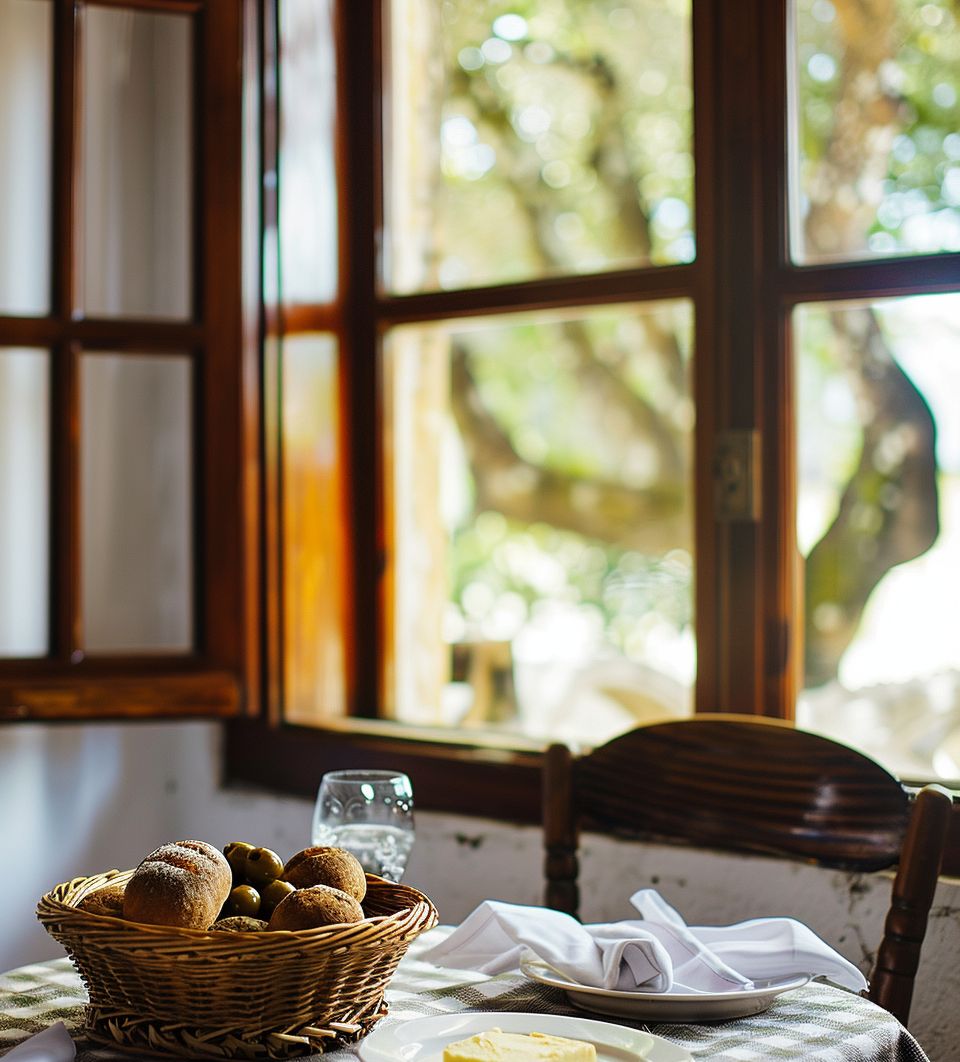
Portuguese restaurants don't refrigerate butter. It sits on the table at room temperature.
Europeans don't refrigerate butter the way Americans do. Butter at room temperature is normal and safe. The pasteurization and salt content preserve it.
Same with cheese. Hard cheeses don't need refrigeration.
This isn't negligence. It's normal European practice.
Pastel de Nata Timing
Those custard tarts (pastéis de nata) are best fresh. But they sit out in bakeries all day.
Morning pastéis are freshest. By afternoon, they're still safe but less crispy.
Famous places like Pastéis de Belém in Lisbon make them continuously throughout the day. High turnover means fresher pastries.
Small bakeries might make one batch in the morning. Still safe, just not as amazing by evening.
Market Culture
Portuguese markets are incredible.
Mercado da Ribeira (Lisbon): Half tourist food court, half traditional market. The food court is safe but touristy. The market side is where locals shop.
Bolhão Market (Porto): Traditional, authentic, being renovated. Vendors are licensed and inspected.
Local neighborhood markets: Every area has one. Fresh produce, fish, meat. All safe.
Fish at markets should be on ice. If it's not, don't buy it. But most vendors know what they're doing.
Restaurant Timing
Portuguese eat late but not as late as Spanish.
Lunch: 1-2:30pm Dinner: 8-10pm
Tourist restaurants in Lisbon's Baixa or Porto's Ribeira open earlier for tourists. Food might have been prepped hours ago.
Eat when locals eat. Better food, better experience.
Prato do Dia (Daily Plate)
Many Portuguese restaurants offer a prato do dia - set menu, cheap, simple.
This is pre-made food sitting since lunch prep. Sometimes it sits in warming trays. Sometimes it's reheated when you order.
Is it unsafe? Not really. Is it the best the restaurant can do? No.
If you want good food, order off the regular menu. If you want cheap and filling, prato do dia is fine and safe.
Grilled Fish and Meat
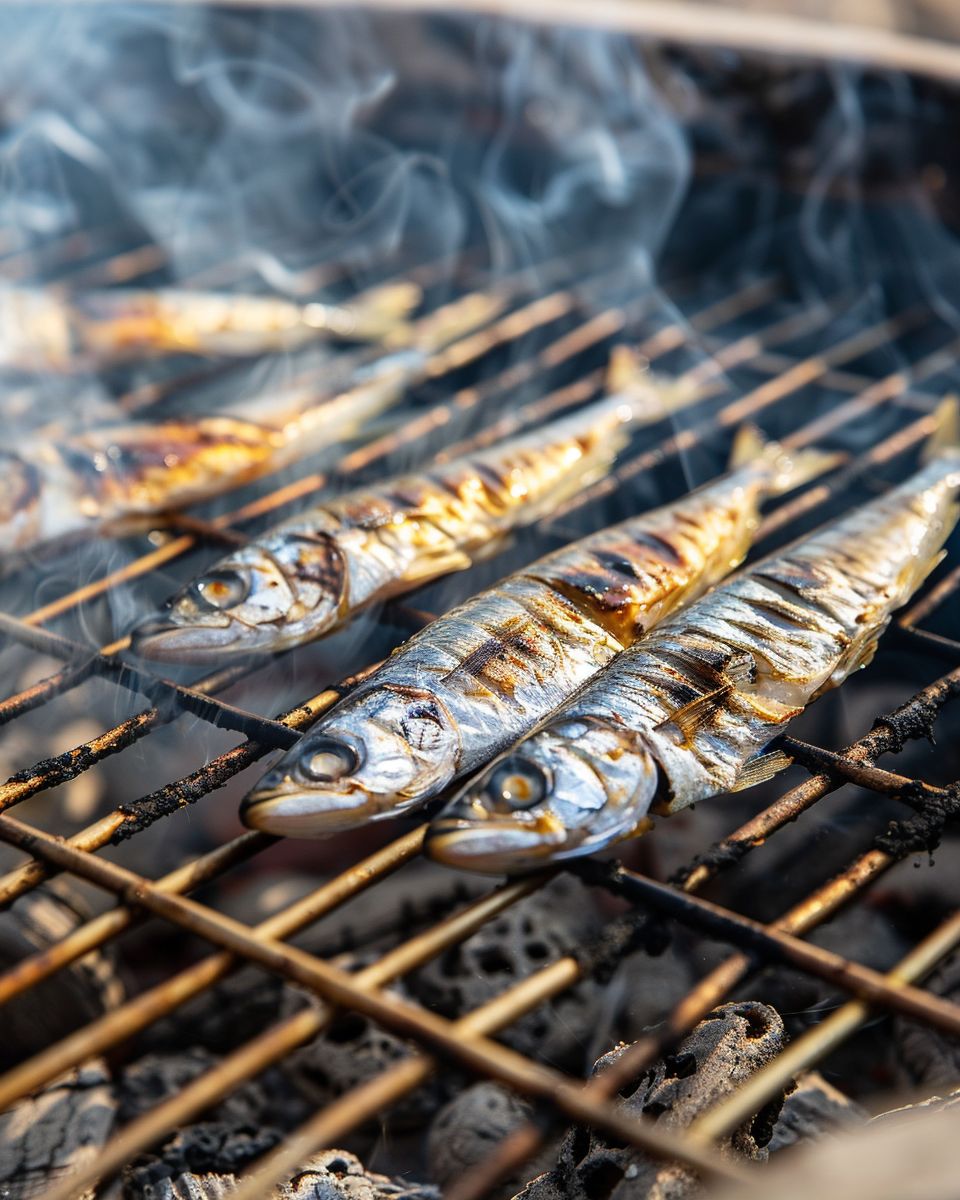
Portuguese love grilled (grelhado) food. Whole fish, sardines, meat - all grilled over charcoal or wood.
This is the safest preparation. High heat, cooked to order, visible cooking.
Charcoal-grilled sardines? Safe and delicious. This is what Portugal does best.
Wine and Food Pairing
Portuguese wine is cheap and everywhere. Table wine (vinho da casa) is safe, inexpensive, and usually decent.
Port wine from Porto? All safe, all regulated.
Vinho verde (young green wine)? Low alcohol, refreshing, completely safe.
The alcohol is never the food safety issue in Portugal. It's regulated and quality is good.
Bread That Appears Automatically
Portuguese restaurants bring bread, butter, olives, and sometimes cheese to your table. Unasked for.
This is couvert. They charge for it (usually €1-3 per person).
The bread is safe. The olives are safe. The butter at room temperature is safe.
If you don't want it, say so. Otherwise, they'll charge you.
Regional Differences
Lisbon: Capital, tourist infrastructure, international food scene. Very safe. Markets, restaurants, cafes - all fine.
Porto: Second city, food culture as strong as Lisbon. Francesinha (sandwich with meat, cheese, sauce) is local specialty and safe despite looking like a heart attack.
Algarve (South coast): Beach tourism, international restaurants, very safe. Tourist traps are mediocre but not unsafe.
Coimbra: University town, younger population, mix of traditional and modern. Safe throughout.
Braga and Northern Portugal: More traditional, less touristy. Food is authentic and safe.
Azores and Madeira: Islands with unique food culture. Volcanic seafood, tropical fruits. Different but safe. Water quality is good.
Cozido and Heavy Stews
Portuguese love stews. Cozido à Portuguesa is a massive meat and vegetable stew.
These sit in pots for hours. That's how stews work. They're kept hot and safe.
Reheating stews actually improves flavor. This isn't a food safety issue.
Octopus Everywhere
Portuguese prepare polvo (octopus) dozens of ways. Grilled, boiled, in rice, in salads.
All safe. Portugal knows octopus. The Mediterranean diet includes a lot of octopus and it's handled properly.
If you're not used to octopus, start small. It's about texture preferences, not safety.
Coffee Culture
Portuguese drink coffee all day. Bica (espresso), galão (like latte), meia de leite (half coffee, half milk).
The milk is pasteurized. The coffee is safe. Drink as much as you want.
Portuguese don't really do iced coffee (except tourist places). If you ask for cold coffee, they might look at you weird.
Things Americans Find Weird
Mayonnaise at room temperature: Commercial mayo in Europe has preservatives and different formulation than American mayo. It's shelf-stable until opened.
Eggs not refrigerated: European eggs aren't washed (which removes protective coating). They're safe at room temperature.
Butter not refrigerated: Already covered. It's fine.
Milk in boxes: UHT milk is shelf-stable. Different process than American milk but completely safe.
Fish staring at you: Whole fish displayed at restaurants. This is how you verify freshness - check the eyes.
Beach Restaurant Realities
Algarve beach restaurants can be hit or miss.
Tourist traps in peak season (July-August) sometimes serve mediocre reheated food. Not unsafe, just disappointing and overpriced.
Look for:
- Restaurants locals go to (not just tourists)
- Fresh fish displayed on ice
- Busy spots with turnover
- Recommendations from locals or long-term expats
Food Allergies and Celiac
Portugal is getting better with allergies but isn't as advanced as some countries.
"Sem glúten" (gluten-free) is understood in cities. Rural areas less so.
Fish and nut allergies: Be specific. Portuguese cuisine uses bacalhau (fish) and sometimes almonds.
Many Portuguese restaurants use garlic heavily. If you're allergic to garlic, specify clearly.
Grocery Shopping
Pingo Doce, Continente, Lidl, Aldi: Major supermarket chains. Standard European quality and safety.
Mini Preço: Budget chain. Still safe, just more limited selection.
Local mercearias: Small neighborhood shops. Fine for packaged goods, produce quality varies.
Farmers markets: Safe, fresh, often cheaper than supermarkets.
Everything in Portuguese grocery stores is labeled, dated, and refrigerated properly. EU standards apply.
Summer Heat Considerations
Algarve summers hit 35-40°C. Lisbon can hit 35°C+.
In peak summer heat:
- Mayo-based dishes might be riskier if sitting out
- Fish needs to stay on ice
- Food at beach stands should be eaten fresh
That said, Portuguese restaurants have refrigeration. It's not like you're eating in markets without infrastructure.
Most food safety issues in summer are from food sitting out too long, not from inherent contamination.
Petiscos Culture
Portuguese tapas (petiscos) sit out in bars like Spanish tapas.
Same rules apply:
- Cured meats and hard cheeses are fine at room temperature
- Fresh items should be made to order
- Busy bars have turnover
- Empty bars have food that's been sitting
Petiscos in Lisbon's Bairro Alto or Porto's Ribeira are generally safe. Tourist bars sometimes have mediocre quality but not unsafe food.
My Actual Experience
Lived in Portugal for two years. Got sick once, and it was from overindulging in vinho verde and bifanas (pork sandwiches) at a festival. Self-inflicted, not food poisoning.
Portuguese food is safe. EU regulations work. The food culture values freshness and quality.
Your bigger challenges in Portugal:
- Eating too much because everything is delicious and cheap
- Too much wine (it's so cheap and good)
- Gaining weight from pastéis de nata
- Restaurant tourist traps (not unsafe, just mediocre)
Not food safety.
When Things Go Wrong
Portuguese pharmacies (farmácias) are everywhere. Pharmacists are knowledgeable and speak English in cities.
Food poisoning medication is over the counter. Rehydration salts, anti-diarrheals, probiotics - all available.
Public healthcare (SNS) is good. Private clinics are affordable. You'll be fine if you get sick.
But honestly, food poisoning is rare in Portugal.
Bottom Line
Portugal is safe for food. EU member, strong food culture, good infrastructure.
Tap water? Safe in cities, islands, everywhere.
Seafood? Fresh daily, high turnover, Portugal knows fish.
Butter at room temperature? Normal European practice.
Markets? Licensed, inspected, safe.
Restaurants? Regulated and generally good.
The pastéis de nata sitting out all day? Still safe, just less fresh by evening.
That salt cod that looks like it's been mummified? That's the point. It's preserved.
Your food safety concerns in Portugal should be minimal. Focus on finding good restaurants (not tourist traps), eating when locals eat, and not overeating because everything is delicious.
Portuguese food is safe. Just enjoy it.