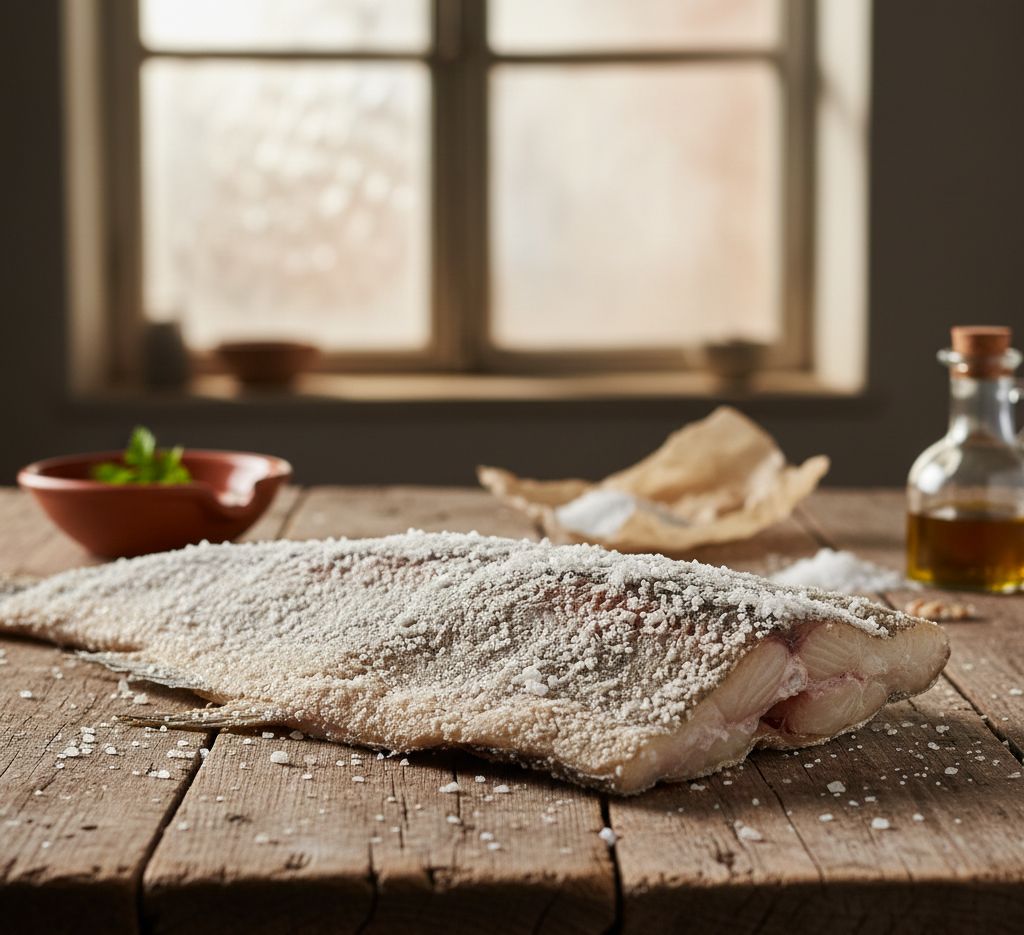
Portuguese people claim there are 365 ways to cook bacalhau (salt cod). Some say 1,001. My landlady Maria says infinite.
After six months in Lisbon, I've had bacalhau maybe 50 different ways. They all taste like salty cardboard that's been rehydrated with regret.
"You don't like bacalhau?" Maria asked, personally offended.
"I'm... learning to appreciate it."
"More salt helps," she said, adding salt to already salted fish that was preserved in salt.
This is Portuguese food: Taking something preserved for nuclear winter, making it wetter, calling it delicacy.
The Pastel de Nata Cult
Every Portugal guide mentions pastéis de nata. What they don't mention: Portuguese people eat them for breakfast, lunch, snack, and emotional support.
The hierarchy:
- Pastéis de Belém (the original, tourists)
- Manteigaria (the chain that's somehow good)
- Local café (50/50 chance of excellence or sadness)
- Supermarket (depression in custard form)
Price: €1.20 at good place, €0.60 at bad place. The €0.60 ones taste like sweet nothing. The €1.20 ones ruin all other desserts forever.
Portuguese consumption: 3-4 daily, minimum. With coffee at 8 AM. With beer at 4 PM. Alone at midnight questioning life choices.
The Bifana Situation
Bifana: Pork sandwich that costs €2 and solves all problems.
Ingredients:
- Pork (marinated in wine and garlic)
- Bread (specifically Portuguese, refuses toasting)
- Mustard (optional but wrong without it)
- Beer (mandatory accompaniment)
Available: Every café, every corner, 24/7 in some places.
The bifana scale:
- Good bifana: Juicy, garlicky, transcendent
- Average bifana: Fine, does job
- Bad bifana: Still better than €15 burger
My record: Four bifanas in one day. Portuguese colleague's record: "We don't count."
Why Dinner Is at 7 PM (The Anti-Spain)
Portuguese dinner time: 7-8 PM. Like normal humans. After Spanish scheduling, this feels like breakfast.
But here's the trap: Restaurants open at 7 PM but Portuguese people don't arrive until 8:30. So at 7 PM, it's you and British retirees.
The sweet spot: 8 PM. Late enough to see locals, early enough to get good fish before it's gone.
Because about the fish...
The Fresh Fish Lottery
Every Portuguese restaurant: "We have fresh fish today!"
Translation: "We have one fish. When it's gone, you get frozen."
The protocol:
- Ask what fish they have (never on menu)
- Price is per kilo (surprise bill coming)
- They bring whole fish to table
- You pretend to evaluate freshness
- It costs €45 for one person
- It's worth it
The fish they actually have:
- Robalo (sea bass, always)
- Dourada (bream, usually)
- Sardines (June to October only)
- Whatever else came in (mystery adventure)
The Coffee Nomenclature Disaster
Portuguese coffee names are actively hostile to outsiders.
- Bica/Café: Espresso (in Lisbon/everywhere else)
- Garoto: Espresso with milk (but just a little)
- Meia de leite: Half milk coffee (but actually more)
- Galão: Latte (but in a glass)
- Abatanado: Longer espresso (but not American)
- Carioca: Weak espresso (for cowards)
Order "coffee": Get confused look. Order "um café": Get espresso. Order "coffee with milk": Get three questions about ratios.
Just say "galão" and accept your fate.
The Francesinha Heart Attack
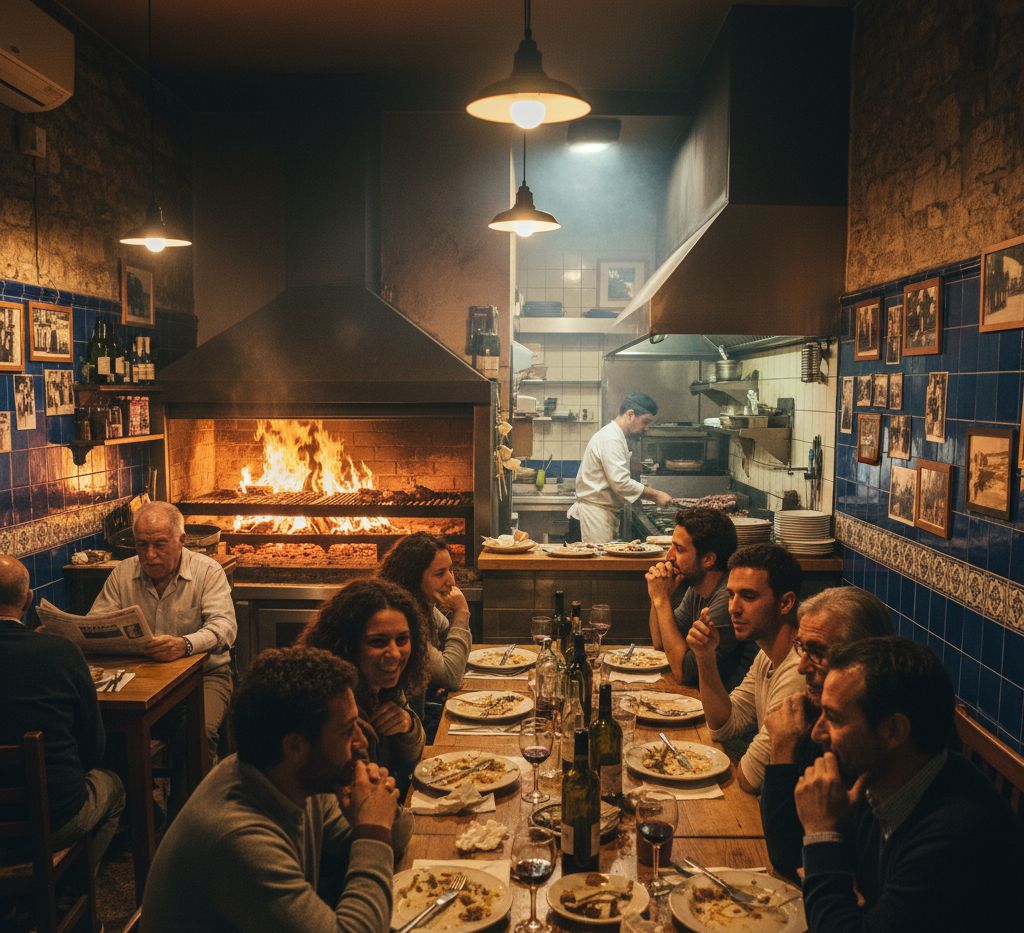
Porto's contribution to cardiac science: The francesinha.
Ingredients:
- Bread (foundation)
- Ham (layer one)
- Sausage (layer two)
- Steak (layer three)
- More ham (why not)
- Cheese (melted over everything)
- Beer sauce (drowning it all)
- Fried egg (on top, because Portugal)
- French fries (surrounding it, swimming in sauce)
Price: €8-12. Calories: Your entire week. Regret: Immediate. Will you order again: Yes.
Porto people eat this for lunch. Then work. Somehow.
The Couvert Scam That Isn't
Sit down at Portuguese restaurant. Immediately appears:
- Bread
- Butter
- Olives
- Cheese
- Pâté
- Carrots in vinegar
"We didn't order this."
"It's couvert."
The couvert costs €5-10. You can refuse it. But refusing marks you as tourist who doesn't understand Portugal.
The truth: It's usually better than what you actually ordered. The bread is fresh, olives are good, cheese is real. Just accept the €7 surprise charge.
The Tascas Truth
Tascas: Small family restaurants that look like someone's living room with three tables.
How to identify real tasca:
- No English menu (good sign)
- Fluorescent lighting (excellent sign)
- TV playing football (perfect sign)
- Plastic tablecloths (jackpot)
Menu: Whatever they cooked today. Price: €6-8 for full meal. Quality: Better than €30 tourist restaurant.
My local tasca has two dishes daily. You don't choose. Senhora Fernanda tells you what you're eating. It's always good. It's never what you expected.
The Sardine Season Religion
June to October: Sardine season. Portugal loses its mind.
Every corner: Men grilling sardines. Every café: Sardine special. Every person: Eating whole fish with hands.
Price: €5 for five sardines, bread, salad.
How to eat: With hands. Whole thing. Bones included if you're brave.
The smell gets into everything. Your clothes, hair, soul. October to May is recovery from sardine season.
The Wine Situation
Portuguese wine costs nothing and is shockingly good.
House wine: €3-5 per liter Good bottle: €5-10 "Expensive" wine: €15
Vinho verde: Not green, just young. Slightly fizzy. Dangerous because it's 11% alcohol that drinks like juice.
The protocol: Order house wine. It's always decent. Tourists order bottles, locals order jarros (pitchers).
The Petisco Revelation
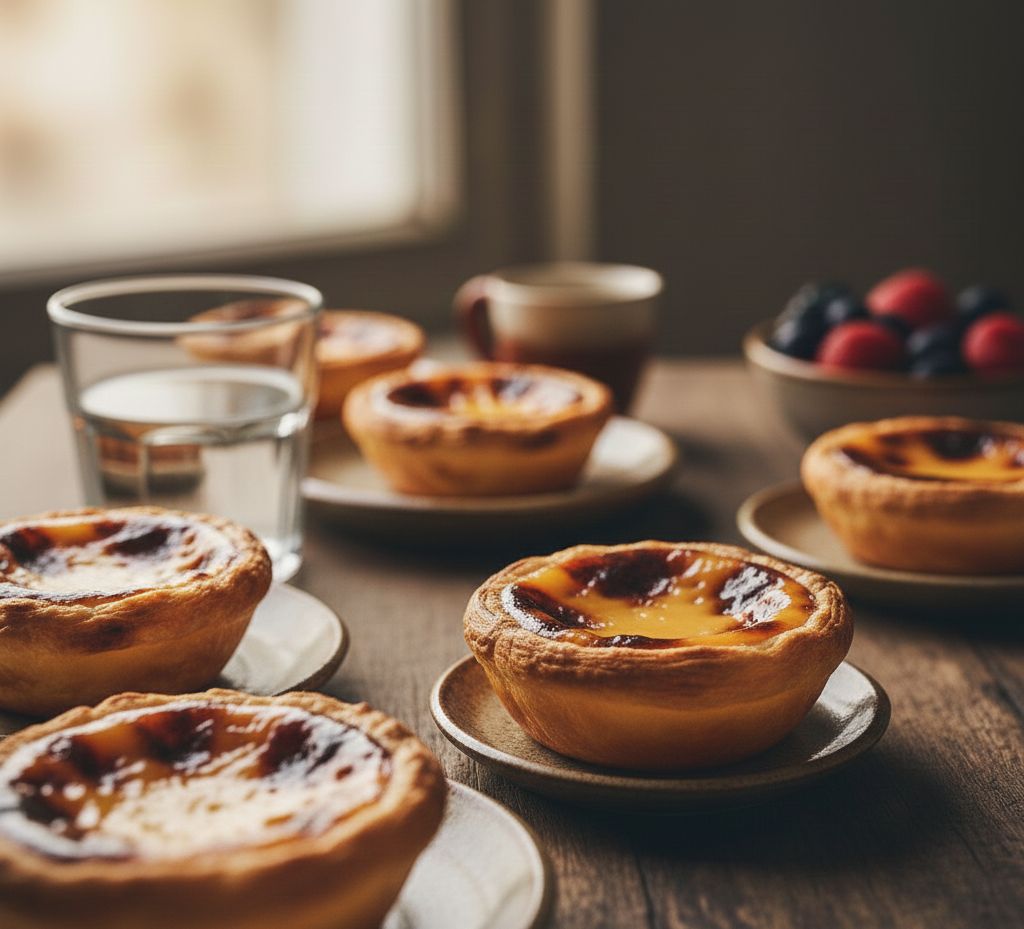
Petiscos are Portuguese tapas but Portuguese people get angry if you say tapas.
Difference from Spanish tapas:
- Bigger portions
- Actual meal prices
- Less variety
- More fish everything
Standard petiscos order:
- Ameijoas (clams in garlic)
- Pica-pau (beef in beer sauce)
- Moelas (gizzards, acquired taste)
- Caracóis (snails, summer only)
Total cost: €25-30 for full meal. Spanish tapas would be €50 for same amount.
The 4 PM Problem
Portugal has a food dead zone too, but different from Spain.
1-3 PM: Lunch happening 3-7 PM: Nothing exists 7 PM: Dinner starts
But Portuguese people eat at normal times, so less traumatic than Spain. The solution: Pastelarias are always open. Coffee and pastry at 4 PM. This is Portuguese tea time.
The Soup Supremacy
Portuguese people eat soup before every meal. Not as meal. Before meal. Then full meal arrives.
Every restaurant: "Soup?" You: "No thanks, just main." Them: Visible confusion.
The soup costs €2. It's usually caldo verde (kale soup) or whatever vegetables surrendered that day. It's always good. Refusing it is like refusing their grandmother.
Surviving Portuguese Food
Portuguese food rules:
- Accept the bacalhau (resistance is futile)
- Eat pastéis de nata daily (integration)
- Bifanas solve everything
- Always accept the soup
- Couvert is not a scam, it's tradition
- Fresh fish is worth bankruptcy
- Sardine season is mandatory participation
Total daily food cost: €15-20 eating Portuguese style. €40+ fighting it with international food.
Portuguese food is about acceptance. Accept the salt cod. Accept the surprise couvert. Accept that everything comes with Portuguese fries. Accept the soup.
Fight it and pay tourist prices for inferior food. Surrender and eat inexplicably good meals in fluorescent-lit tascas for €6.
But you'll never escape the pastéis de nata addiction. Three years later, you're still eating four daily. This is Portuguese integration through custard.
Portuguese food survival kit:
- Find a tasca (adopt a Portuguese grandmother)
- Learn coffee names (or just say galão)
- June-October: Sardines everywhere
- Bifana emergency protocol
- Pastelaria for 4 PM survival
Note: Portuguese food is salt, custard, and acceptance.
Photo Sources:
- Bacalhau display
- Search: "bacalhau Portugal shop" or "Portuguese codfish store"
- Unsplash: https://unsplash.com/s/photos/portuguese-food
- Pastel de nata varieties
- Search: "pastel de nata Lisboa" or "Portuguese custard tart"
- Bifana
- Search: "bifana sandwich Portugal" or "Portuguese pork sandwich"
- Portuguese restaurant evening
- Search: "Portuguese restaurant dinner" or "tasca Portugal"
- Fresh fish display
- Search: "peixe fresco Portugal" or "Portuguese fish restaurant"
- Coffee types chart
- Search: "tipos de cafe Portugal" or "Portuguese coffee guide"
- Francesinha
- Search: "francesinha Porto" or "Portuguese sandwich heart attack"
- Couvert spread
- Search: "couvert Portugal restaurant" or "Portuguese table appetizers"
- Traditional tasca
- Search: "tasca tradicional Portugal" or "Portuguese family restaurant"
- Sardine grilling
- Search: "sardinhas assadas Portugal" or "Portuguese sardine festival"
- Wine selection
- Search: "vinho verde Portugal" or "Portuguese house wine"
- Petiscos
- Search: "petiscos portugueses" or "Portuguese tapas"
- Caldo verde
- Search: "caldo verde soup" or "Portuguese kale soup"