I moved to Tallinn for the tech scene. Estonia is famous for being the world's most digitally advanced country - e-residency, digital voting, everything runs on computers. I figured if they could handle cybersecurity for an entire nation, they must have everything else figured out too.
Turns out digital infrastructure doesn't prevent you from drowning in a frozen lake or getting hypothermia waiting for a bus that never came.
I've been here two years. This is what nobody tells you about safety in Estonia when they're busy marketing it as "the digital future."
The Irony: My Phone Got Hacked, Not My e-Residency
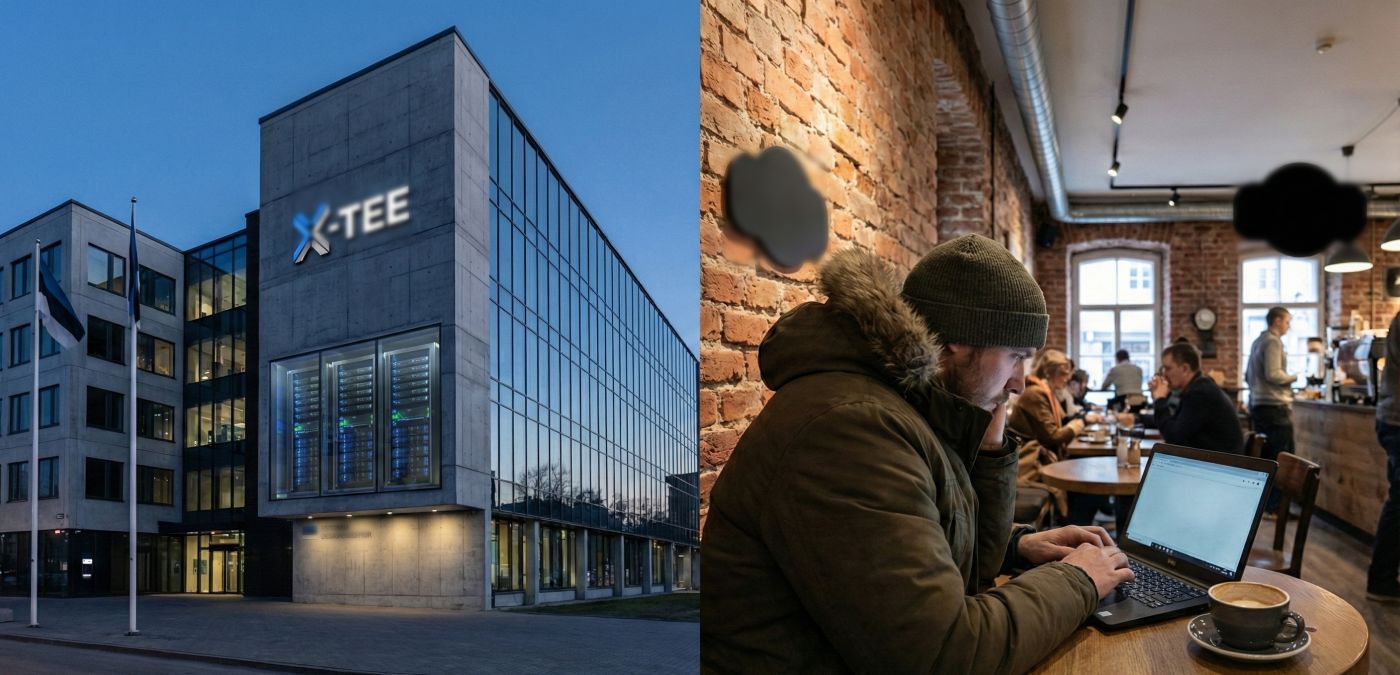
What happened: March 2024. I was working from a café. Connected to the WiFi. Answered some work emails on public WiFi without thinking about it.
Two days later: unauthorized transactions on my bank account. Someone accessed my email, got into my banking app, transferred €800 before I noticed.
The irony: Estonia has world-class cybersecurity for government services. Their X-Road system is nearly unhackable. But I got phished like an idiot using public WiFi at a hipster café.
What I learned:
- Estonia's government security ≠ personal digital security
- Public WiFi in cafés is not secure (use VPN)
- Two-factor authentication on everything
- Banking app should require biometric authentication
- Don't do financial stuff on public networks, ever
Did I get my money back? Eventually, yes. Bank investigated, determined it was fraud, refunded it after three weeks. But those three weeks were stressful.
The actual lesson: Living in a digitally advanced country made me complacent. I thought "oh, Estonia is so tech-savvy, everything must be secure." Wrong. Your personal cybersecurity is still your responsibility.
The Thing That Actually Endangered Me: Winter Transport Failure
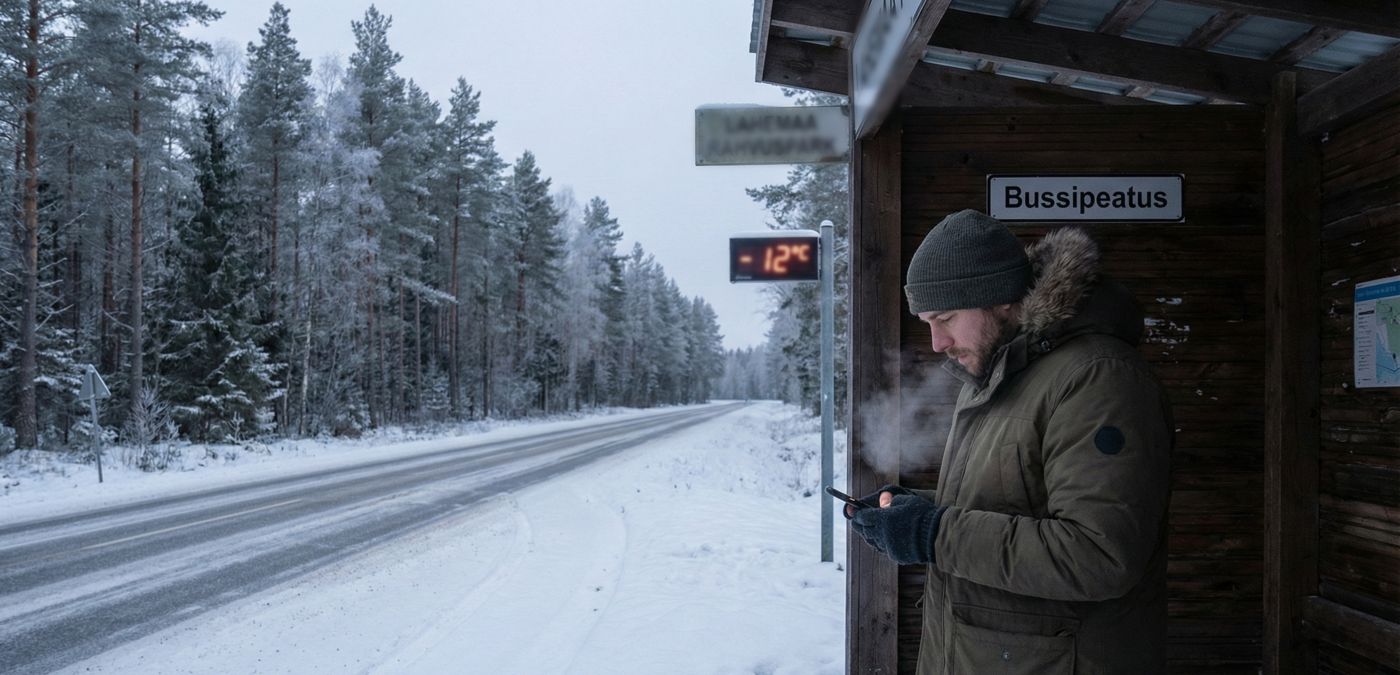
What happened: January 2024. I was visiting Lahemaa National Park (about 70 km from Tallinn). Went hiking. Planned to take the bus back at 4 PM.
Bus never came.
I checked the app. "Service cancelled due to weather." No notification, no warning, just... cancelled.
It was -12°C. I was dressed for hiking, not for waiting outside indefinitely. No taxis operate in that area. Cell service was spotty.
I ended up walking 8 km to the nearest village, taking shelter in a gas station, and eventually getting a ride from a kind Estonian couple who stopped.
What I didn't understand:
- Rural Estonian bus services are unreliable in winter
- "Due to weather" cancellations happen frequently with no advance notice
- There are no backup transport options in rural areas
- You can't Bolt/Uber your way out of small towns
- Hypothermia is a real risk if you're stuck outside unprepared
What I should have done:
- Checked weather forecasts more carefully
- Had a backup plan (car rental, arranged ride)
- Brought extra warm clothes "just in case"
- Not assumed transport would work like it does in the city
- Downloaded offline maps and emergency contacts
Current status: I don't do rural winter trips anymore without my own car or a very solid backup plan. The digital infrastructure (bus apps, real-time tracking) gives a false sense of reliability. When it fails, you're very analog and very cold.
The Thing That Felt Scary But Wasn't: Russian Proximity
Before moving here: Friends asked "Aren't you scared about Russia? Estonia is right next to Russia. What if something happens?"
Reality after two years: No.
Estonians are very aware of geopolitical risks, but daily life is not affected by fear or danger related to the Russian border. NATO is here. EU is here. Life is normal.
What actually happens:
- Sometimes Russian military jets enter Estonian airspace briefly (happens, gets reported, NATO responds, nothing escalates)
- Occasional cyberattacks on government systems (Estonia is prepared, systems don't go down)
- Political tensions exist but don't affect residents' safety
The actual concern: Not Russian invasion. It's Russian disinformation campaigns and social media manipulation. But that's a political problem, not a physical safety threat.
Things I was worried about that never materialized:
- Border conflicts
- Military presence affecting daily life
- Needing evacuation plans
- Restrictions on movement or security checks
Estonia feels very safe. The Russian border is there, but it doesn't feel threatening in everyday life.
The Social Danger I Didn't Expect: Isolation
First six months in Estonia:
I'd go days without having a real conversation with anyone. Estonians are famously reserved. They don't do small talk. They don't chat with strangers. Social connections take months to build.
Effects:
- Depression (diagnosed after 4 months)
- Anxiety about being alone in an emergency
- Questioning whether I should stay
- Drinking alone more than I should
This isn't a safety issue in the traditional sense, but isolation affects your mental state, which affects your judgment and decision-making.
When I got stuck in Lahemaa without transport, I made poor decisions because I was used to being alone and not asking for help. I walked 8 km in -12°C instead of knocking on doors or asking strangers for assistance because I'd learned "Estonians don't want to be bothered."
What helped:
- Joining expat groups (Internations, Facebook groups)
- Taking a sauna culture class (forced social interaction)
- Learning Estonian (shows effort, people warm up more)
- Finding one Estonian friend (took 8 months, but worth it)
Cultural note: Estonians aren't unfriendly. They're just very private and reserved. Once you're friends, they're incredibly loyal. But getting to that point takes time.
The Digital Thing That Failed Me: Everything Closing Without Warning
August 2024: Tried to buy groceries on Jaanipäev (Midsummer Day - June 23). Every store closed. No warning. I didn't check the calendar.
October 2024: Needed to see a doctor urgently. Booked online appointment. Showed up. Clinic closed for "training day." No notification sent.
December 2024: Went to pay utility bill at bank. All banks closed for Independence Day. I didn't know it was Independence Day.
The problem: Estonia's digital systems are amazing when they work. But they don't always send notifications about closures, holidays, or cancellations. You're expected to just... know.
Things that close without adequate warning:
- Government offices (common)
- Banks (all holidays)
- Medical clinics (training days, random)
- Shops (public holidays + day-before holidays)
- Public transport (weather, construction, strikes)
What I learned:
- Estonia has a lot of public holidays
- The day before a holiday, things often close early or entirely
- Apps don't always update in real-time
- You need to manually check calendars, not assume services are available
Dangerous? Not directly. But if you need something urgently (medical, banking, transport) and everything is closed with no warning, it becomes a problem.
What Is Actually Dangerous in Estonia (In Order)
1. Winter conditions
More dangerous than anything else. Ice, snow, darkness, extreme cold. People die from hypothermia, car accidents, falls through ice.
How to avoid:
- Proper winter gear (not fashion boots, actual insulated boots)
- Ice grips for shoes (everyone wears these)
- Never walk on frozen water without local knowledge
- Drive slowly or don't drive at all
- Dress in layers, cover all skin in extreme cold
2. Rural isolation + transport failure
If you're outside the city and something goes wrong (transport cancellation, car breakdown, injury), help is far away and slow.
How to avoid:
- Always have backup transport plan
- Bring extra warm clothes even for day trips
- Download offline maps
- Tell someone where you're going
- Don't assume buses/trains will run in winter
3. Alcohol culture
Estonians drink a lot. Alcohol-related accidents and deaths are high.
Risks:
- Drunk driving (more common than you'd expect)
- Alcohol poisoning (binge drinking culture)
- Accidents while drunk (falling, drowning, hypothermia)
How to avoid:
- Don't drink and drive (obviously)
- Don't walk home drunk in winter (risk of hypothermia)
- Know your limits
- Have a plan to get home safely
4. Cycling infrastructure gaps
Tallinn has bike lanes, but they're not well-maintained or consistent. Cars don't always watch for cyclists.
How to avoid:
- Wear high-visibility gear (mandatory by law anyway)
- Assume drivers don't see you
- Winter cycling is risky (ice on bike paths)
5. Old Soviet-era buildings
Some apartments have old infrastructure, poor insulation, outdated electrical systems.
Risks:
- Electrical fires
- Mold (affects health)
- Falling building materials
How to avoid:
- Inspect apartments before renting
- Check electrical panels, plumbing, ventilation
- Don't rent in obviously deteriorating buildings
6. Baltic Sea swimming
The water is cold even in summer. Currents can be strong. Drowning risk.
How to avoid:
- Don't swim alone
- Stay in designated swimming areas
- Don't drink and swim
- Hypothermia risk even in summer if you're in too long
Things That Are Not Actually Dangerous
Crime: Estonia has low crime rates. Tallinn is very safe. Random violence is rare.
Pickpockets: Exist in tourist areas but not common.
Political instability: Estonia is stable, EU member, functional democracy.
Language barrier: Almost everyone under 40 speaks English. Older people speak Russian (Estonia was part of Soviet Union). Language is an inconvenience, not a danger.
Healthcare system: Good quality. Private healthcare is affordable. Public healthcare has waits but is competent.
Food safety: High standards. Even street food is safe.
Russian border: Not a daily safety concern despite proximity.
The Cultural Thing That Feels Dangerous But Isn't: Estonian Reserve
First impression: Estonians don't smile at strangers, don't make small talk, don't chat in elevators. It feels cold, unwelcoming, even hostile.
Examples:
- Cashiers don't greet you or make eye contact
- People don't hold doors for strangers
- Neighbors pass you in the hallway without acknowledgment
- Asking for directions gets minimal response
For months, I felt like everyone hated me or was annoyed by my presence.
What I eventually learned: This is not hostility. This is normal Estonian behavior. Smiling at strangers is considered weird. Small talk is unnecessary. Privacy is deeply valued.
Once I understood this, Estonia became much less stressful. The cashier isn't angry, she's just working. The neighbor isn't unfriendly, he's just respecting your space.
This isn't a safety issue, but it feels threatening when you're used to more socially expressive cultures. It can make you feel isolated and unsafe when actually people are just being normal.
What I Wish I'd Known Before Moving Here
1. Winter is not just cold, it's a lifestyle change
I thought "I've experienced winter before." But Estonian winter is long (November to March), dark (4 hours of daylight in December), and brutal. It affects everything: mood, energy, social life, mobility.
Preparation:
- Vitamin D supplements (mandatory)
- Light therapy lamp
- Actual winter clothing system (layers, insulation, wind protection)
- Mental health plan (isolation + darkness = depression risk)
2. Digital infrastructure creates false sense of security
Apps show real-time bus tracking, weather forecasts, service availability. But these fail more often than you'd expect, and when they fail in winter, consequences are serious.
Lesson: Always have analog backup plans. Don't trust apps completely.
3. Rural Estonia is very different from Tallinn
Tallinn is modern, international, well-connected. Leave the city and it's a different world: sparse population, limited services, unreliable transport, genuine isolation.
Lesson: Don't assume what works in Tallinn works elsewhere in Estonia.
4. Social isolation is a real danger
Estonian culture values privacy and reserve. Making friends takes time. Winter makes this worse (dark, cold, everyone stays inside).
Preparation:
- Join expat groups before you get lonely
- Learn Estonian language (shows respect, helps connection)
- Find regular social activities (sports, hobby groups)
- Have a mental health plan
5. Russian proximity is not the risk
Everyone asks about Russia. That's not the daily danger. The actual risks are: winter conditions, isolation, transport failures, alcohol culture.
Lesson: Worry less about geopolitics, more about practical survival skills.
Practical Safety Tips That Actually Matter
Winter survival:
- Ice grips for shoes (buy at any supermarket)
- Layered clothing system (merino base layer, fleece mid, waterproof shell)
- Always carry: extra hat, gloves, hand warmers
- Learn to walk on ice (short steps, flat-footed)
- Never walk on frozen lakes without local knowledge
Transport:
- Download offline maps (Helsinki, Tallinn, major routes)
- Always have backup plan (money for taxi, friend with car, overnight option)
- Check weather before rural trips
- Don't rely solely on apps
Mental health:
- Vitamin D (1000-2000 IU daily in winter)
- Light therapy lamp (10,000 lux, 30 minutes morning)
- Regular social contact (even if forced)
- Exercise (combat seasonal depression)
Digital security:
- Use VPN on public WiFi
- Two-factor authentication on everything
- Don't do banking on public networks
- Regular password updates
Communication:
- Learn basic Estonian (helps immensely)
- Join expat groups before you need them
- Have emergency contacts (Estonian friends, embassy)
- Don't assume everyone speaks English (especially older people)
General:
- Know public holidays (everything closes)
- Check service availability before assuming it's open
- Car is very useful outside Tallinn
- Don't underestimate distances (Estonia is bigger than it looks)
Emergency Contacts
112 - General emergency (EU standard, English available)
Estonian-specific:
- Police: 112
- Ambulance: 112
- Fire: 112
- Coast Guard: 112 (for maritime emergencies)
English-speaking medical:
- Tallinn Emergency Department (Lastehaigla): +372 697 7000
- Confido Medical Centre (private, English-speaking): +372 661 0300
- East Tallinn Central Hospital (public, some English): +372 620 7070
Resources:
- Tallinn Expat Community (Facebook)
- Internations Estonia
- Estonian e-services: eesti.ee (official government portal, English available)
- British Embassy Tallinn: gov.uk/world/estonia
- US Embassy Tallinn: ee.usembassy.gov
Digital services (mostly work, but have backups):
- 1188 (directory assistance, some English)
- ID card helpline: +372 666 8888 (for digital ID issues)
Final Thoughts
Estonia is safe. Low crime, good healthcare, stable government. The digital infrastructure is genuinely impressive.
But digital advancement doesn't protect you from:
- Winter conditions that can kill you
- Rural isolation when transport fails
- Social isolation that affects mental health
- Infrastructure gaps in non-urban areas
The things that felt dangerous to me (Russian proximity, Estonian coldness, being in a "small unknown country") weren't actually risks. The things I didn't think about (getting stranded in -12°C weather, isolation-induced depression, over-reliance on apps) were the actual problems.
If I could tell myself one thing before moving here: "Estonia's digital future doesn't solve analog problems. Buy proper winter gear, make friends before you need them, and never trust that buses will run when you need them."
Estonia isn't dangerous. It's just... very good at reminding you that even in the most digital society on Earth, you can still freeze to death if you're unprepared.
Last updated: October 2024. Based on 2 years living in Tallinn. Rural areas and other Estonian cities may have different profiles. I'm not a safety expert, just an expat sharing personal experience.
Crime statistics from Estonian Police and Border Guard Board (PPA). Climate data from Estonian Weather Service. Healthcare info from Estonian Health Board and personal experience.