By Rajesh Patel - UAE Business Consultant
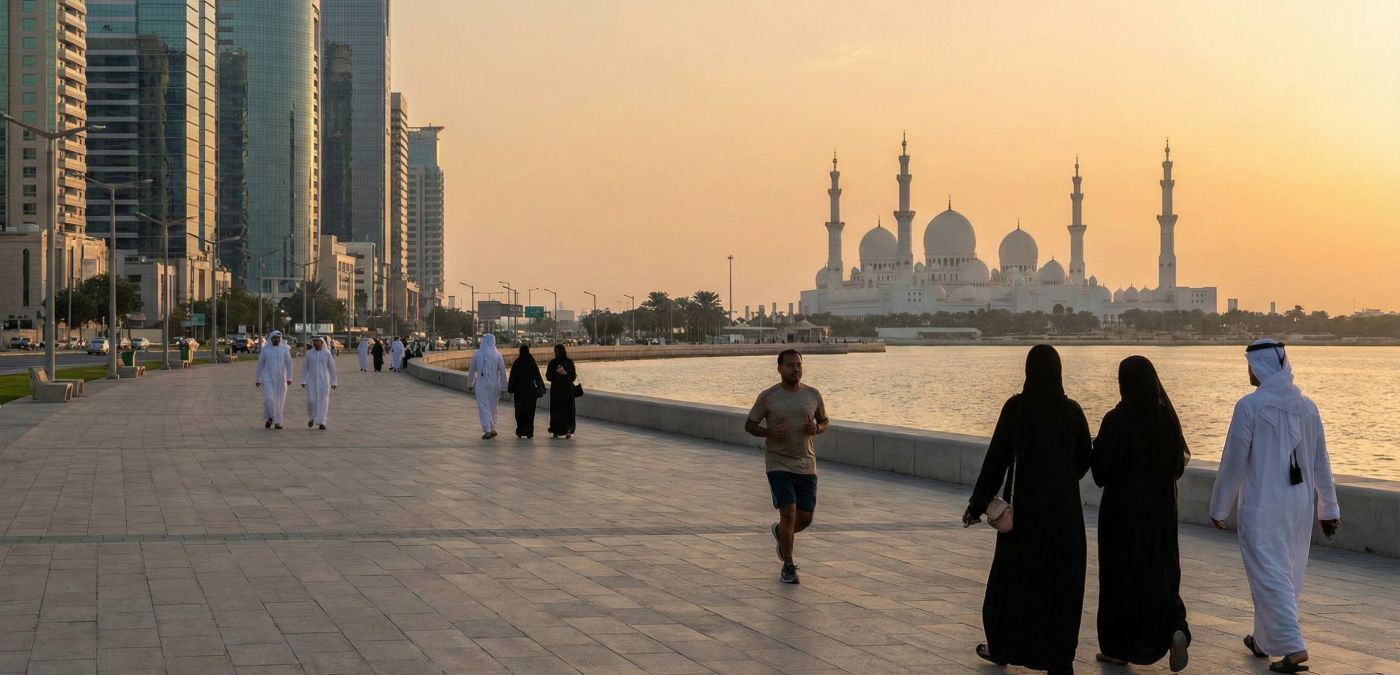
Abu Dhabi is not Dubai. Let's get that clear immediately. If you're choosing Abu Dhabi expecting Dubai's energy, you'll be disappointed. If you're choosing it because you want something different, you'll understand why some of us prefer it.
Al Reem Island - AED 50,000-95,000/year ($13,600-25,900 USD)
The "Manhattan of Abu Dhabi." New development, towers, waterfront, where young professionals end up.
What you get:
- Modern buildings (all built 2010+)
- Marina-style promenade (Boutik Mall)
- Beach access (Reem Central Park)
- Good restaurants/cafes
- International community
- 15 min to downtown
Who lives here:
- Young expat professionals (25-40)
- Single working adults
- Couples without kids
- People wanting "city feel" in Abu Dhabi
Rent reality: 1-bed: AED 55,000-75,000 2-bed: AED 75,000-95,000 Way cheaper than Dubai Marina (same concept, 30% less)
My take: If you must have urban lifestyle in Abu Dhabi, Reem Island is your only real choice. Still cheaper than Dubai while providing similar infrastructure.
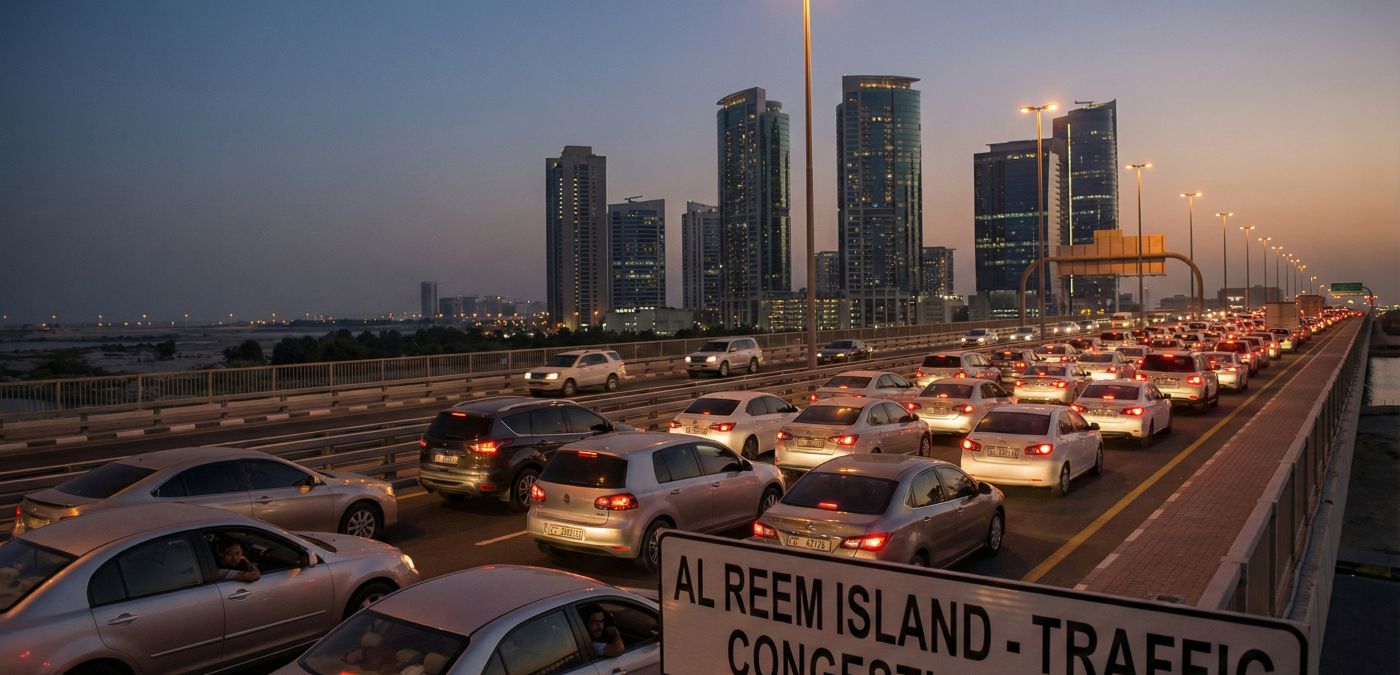
Downside: Traffic getting on/off island during rush hour is terrible. You're on an island (literally), so every trip involves bridges.
Yas Island - AED 55,000-100,000/year ($15,000-27,200 USD)
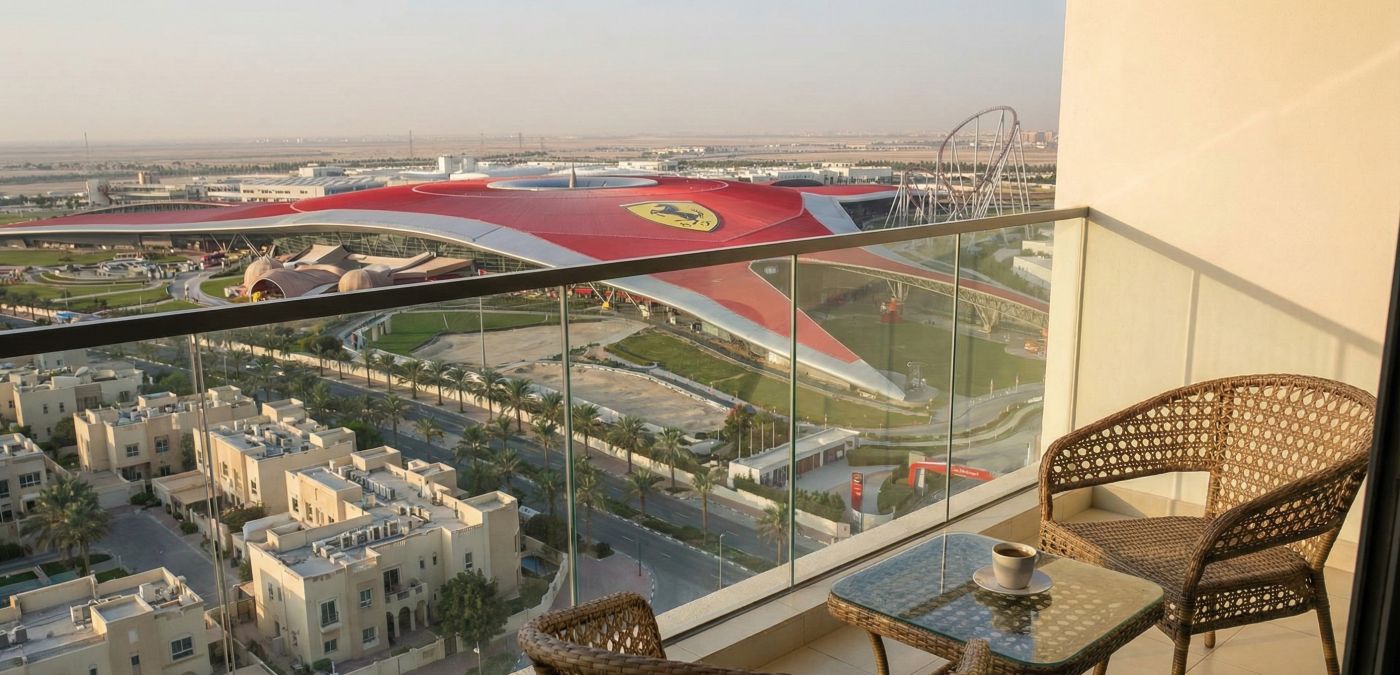
Entertainment island. Ferrari World, Yas Marina Circuit, Yas Mall, beach.
Character: Theme park island that happens to have residential towers. Very tourist-oriented, very new, very... manufactured.
Who picks it:
- Families (Yas Waterworld, Ferrari World nearby)
- Motorsport enthusiasts (F1 circuit)
- Hotel workers (hotels everywhere)
- People who prioritize entertainment
Reality check: You're living on a resort island. Great if you have kids who love theme parks. Weird if you're a single remote worker.
Commute: 20-25 min to downtown Abu Dhabi (not far, but you're isolated on island).
Corniche / Downtown - AED 60,000-110,000/year ($16,300-30,000 USD)
The actual city center. Government buildings, offices, waterfront Corniche, tourist hotels.
What this is: Traditional Abu Dhabi. Where business happens. Where Emiratis actually work.
Neighborhoods:
- Tourist Club Area (TCA): More expat-friendly, restaurants, slightly cheaper
- Corniche towers: Premium, views, expensive, business vibe
- Al Markaziyah: City center, very urban, mix of old and new
Who lives here:
- Business executives
- Government employees
- People working downtown
- Expats wanting central location
Cost: Similar to Reem Island but older buildings. You pay for location not newness.
Abu Dhabi vibe: This is actual Abu Dhabi - more Arabic, more conservative, more "real" than tourist islands.
Al Khalidiya - AED 45,000-80,000/year ($12,250-21,800 USD)
Residential area near Corniche. Established neighborhood, family-oriented.
Character: Quiet, residential, mix of villas and low-rise buildings, some original Abu Dhabi character left.
Infrastructure: Schools nearby, Khalidiya Park, Khalidiya Mall, local shops, medical centers.
Who lives here:
- Emirati families
- Long-term expat families
- Teachers (schools nearby)
- People wanting neighborhood feel
Value: Better than downtown pricing, still accessible. This is where smart families choose.
Al Reef - AED 40,000-75,000/year ($10,900-20,400 USD)
Suburban development east of downtown. Villas and townhouses.
What you're getting: Space. Garden. Community pools. Quiet. Safety. Boredom.
Distance: 20-25 min drive to downtown. Need a car absolutely.
Who lives here:
- Families with kids (schools in community)
- People working from home
- Those prioritizing space over location
- Budget-conscious families
Trade-off: Save AED 20-30K/year compared to downtown. But you drive everywhere.
Al Raha Beach / Al Raha Gardens - AED 45,000-85,000/year ($12,250-23,150 USD)
Mainland alternative to Reem Island. Beach access, community feel.
Split:
- Al Raha Beach: Towers, waterfront, more expensive
- Al Raha Gardens: Villas/townhouses, more space, family-oriented
Location: Halfway between Abu Dhabi and Dubai (20 min to Abu Dhabi city, 40 min to Dubai)
Who picks it:
- People working in both cities
- Families wanting beach access + space
- Those wanting middle ground location
My take: Makes sense if you travel to Dubai regularly. Otherwise you're far from both cities.
Saadiyat Island - AED 70,000-150,000/year ($19,000-40,800 USD)
Cultural district. Louvre Abu Dhabi, beach resorts, luxury villas.
What this is: Abu Dhabi's attempt at prestige island. Museums, galleries, beach clubs, luxury everything.
Who can afford it:
- High earners (AED 40K+/month)
- Diplomats
- Museum/cultural sector workers
- Wealthy Emiratis
- People with unlimited company packages
Reality: Beautiful but isolated. You're paying huge premium for "Saadiyat address" and Louvre proximity.
Unless budget unlimited or working at museum, skip it.
Khalifa City - AED 35,000-65,000/year ($9,500-17,700 USD)
Suburban area south of downtown. More affordable, very local.
Character: Working-class to middle-class area. Mix of apartments and villas. Very Emirati/Arab population.
Infrastructure: Basic but functional. Mushrif Mall, schools, mosques, local shops.
Who lives here:
- Budget expats
- Emirati families
- South Asian professionals
- People wanting cheap rent
Commute: 20-30 min to downtown depending on which part.
Cultural note: More conservative than downtown. More Arabic signage. Fewer English speakers in shops.
ABU DHABI VS DUBAI: HONEST COMPARISON
Lifestyle:
- Dubai: Fast, flashy, party, international, expat-majority
- Abu Dhabi: Slow, serious, conservative, local-majority, government
Cost:
- Dubai: 20-40% more expensive across the board
- Abu Dhabi: More reasonable, less price competition
Jobs:
- Dubai: Private sector, startups, entrepreneurship, finance
- Abu Dhabi: Government, oil & gas, education, established companies
Expat community:
- Dubai: Huge, diverse, transient (1-3 years average)
- Abu Dhabi: Smaller, more stable (3-5+ years average)
Culture:
- Dubai: "Do whatever, just don't embarrass us"
- Abu Dhabi: More traditional, more rules, more respect for norms
Entertainment:
- Dubai: Endless options, nightlife, events
- Abu Dhabi: Limited, family-oriented, cultural
Weather: Both equally hot. No winner.
Distance: 90 min drive between cities. Doable for weekend trips, brutal for daily commute.
WHO SHOULD CHOOSE ABU DHABI?
Good fit:
- Government sector workers (obviously)
- Families wanting stable, safe environment
- Budget-conscious (save 20-30% vs Dubai)
- People who prefer quiet over excitement
- Those actually interested in Emirati culture
- Remote workers who don't need social scene
Bad fit:
- Young singles wanting nightlife
- Entrepreneurs (ecosystem is Dubai)
- People needing international dining/entertainment variety
- Social butterflies
- Anyone expecting "Dubai energy"
RENT PAYMENT STRUCTURE
Standard: 1-4 cheques (post-dated). Most common: 2 or 4 cheques.
Deposit: 5% of annual rent typically
Agent fees: 5% of annual rent (one-time)
Utilities: ADDC (electricity): AED 400-1,000/month summer (AC) Water: Included usually Internet: AED 300-400/month
ABU DHABI REMOTE WORK VIABILITY
Coworking spaces: Exist but limited compared to Dubai:
- The Bureau
- MAKE Business Hub
- Some hotel business centers
Cafes: Less cafe culture than Dubai. Fewer "work from laptop all day" spots.
Internet: Reliable, fast, no issues.
Community: Small digital nomad presence. Maybe 50-100 active remote workers (vs Dubai's 1,000+).
Verdict: Abu Dhabi works for remote work technically. But you'll be isolated socially. Most remote workers pick Dubai for community.
TRANSPORTATION
Car needed: More than Dubai. Abu Dhabi is spread out, public transport limited.
Bus system: Exists but infrequent. Not like Dubai's metro.
Taxis: Cheap, plentiful, reliable.
Driving to Dubai: Doable (90 min). But toll costs add up (AED 4 each way).
TOTAL COST BREAKDOWN
Budget lifestyle (AED 10,000/month):
- Rent: AED 3,500-4,000 (Khalifa City studio)
- Utilities: AED 600
- Groceries: AED 1,500
- Transport: AED 1,500 (taxi/bus)
- Remaining: AED 2,900
Comfortable (AED 18,000/month):
- Rent: AED 5,500-6,000 (Reem Island 1-bed)
- Utilities: AED 800
- Car: AED 2,000
- Groceries: AED 2,000
- Eating out: AED 2,000
- Entertainment: AED 1,500
- Remaining: AED 4,200
VISA OPTIONS
Same as Dubai:
- Employment visa (tied to job)
- Freelance visa (through ADGM or other free zones)
- Remote work visa (same UAE requirements)
MY HONEST RECOMMENDATION
Choose Abu Dhabi if:
- You have job offer here (government, oil & gas, education)
- You want to save money vs Dubai
- You prefer quiet, stable, family-oriented
- You're genuinely interested in Emirati culture
Choose Dubai if:
- You want expat community
- You prioritize entertainment/social life
- You're entrepreneurial
- You need "happening city" energy
- You're staying short-term (1-2 years)
The compromise: Some people live in Abu Dhabi (cheaper), work remotely, visit Dubai on weekends. Saves AED 30-40K/year on rent.
FINAL TAKE
I've lived in both cities. Dubai gets the headlines, Abu Dhabi does the work.
Dubai is for visiting. Abu Dhabi is for living.
Dubai is exciting at 25. Abu Dhabi makes sense at 35.
Dubai is the party. Abu Dhabi is the morning after when you need to actually function.
Not better or worse. Different purposes.
If you need that startup/entrepreneur energy: Dubai If you want stable job and family life: Abu Dhabi If you want cheap and fun: Neither (go to Thailand)
Updated: November 2025 Currency: AED (same as Dubai), 1 USD = 3.67 AED
Distance Dubai-Abu Dhabi: 90-120 min drive depending on traffic Weekend: Friday-Saturday (like all UAE)
Property sites: Property Finder, Bayut (same as Dubai) Government services: Much better than Dubai (less crowded)