3UAE has one of highest road death rates in world. Uber driver told me: his friend died last year driving Sheikh Zayed Road at night. Car going 180 km/h hit him from behind. 5-car pileup. Friend died instantly. Driver going 180 was Emirati. No charges filed. Classified as 'accident.' Why deadly: extremely aggressive driving (speeding, tailgating, dangerous lane changes), speed limits routinely ignored (120 km/h zones treated like 160+), luxury cars driven recklessly, poor enforcement for certain nationalities, 'wasta' (connections) gets you out of trouble. Nearly rear-ended 3 times. Witnessed 2 serious accidents. Seen cars going 180+ regularly. Been tailgated aggressively for going 'only' 140 km/h. I stopped driving. Use Uber exclusively. Not worth risk.
ALL DIFFERENT - CREDIT CARD DESTRUCTION, EMPTY HEAT-DEAD STREETS, DANGEROUS HIGHWAY. DOCUMENTARY EVIDENCE.
Dubai markets itself as one of the safest cities in the world. Low crime, no street harassment, women can walk alone at night, doors left unlocked. It's all true.
What they don't tell you: the safety comes with conditions. Break the wrong rule—even one you didn't know existed—and you're in a legal nightmare that can destroy your life.
I'm 34. I moved to Dubai in 2023 for a marketing job with a good salary. I thought I understood the rules: don't drink in public, dress modestly, respect the culture. Easy.
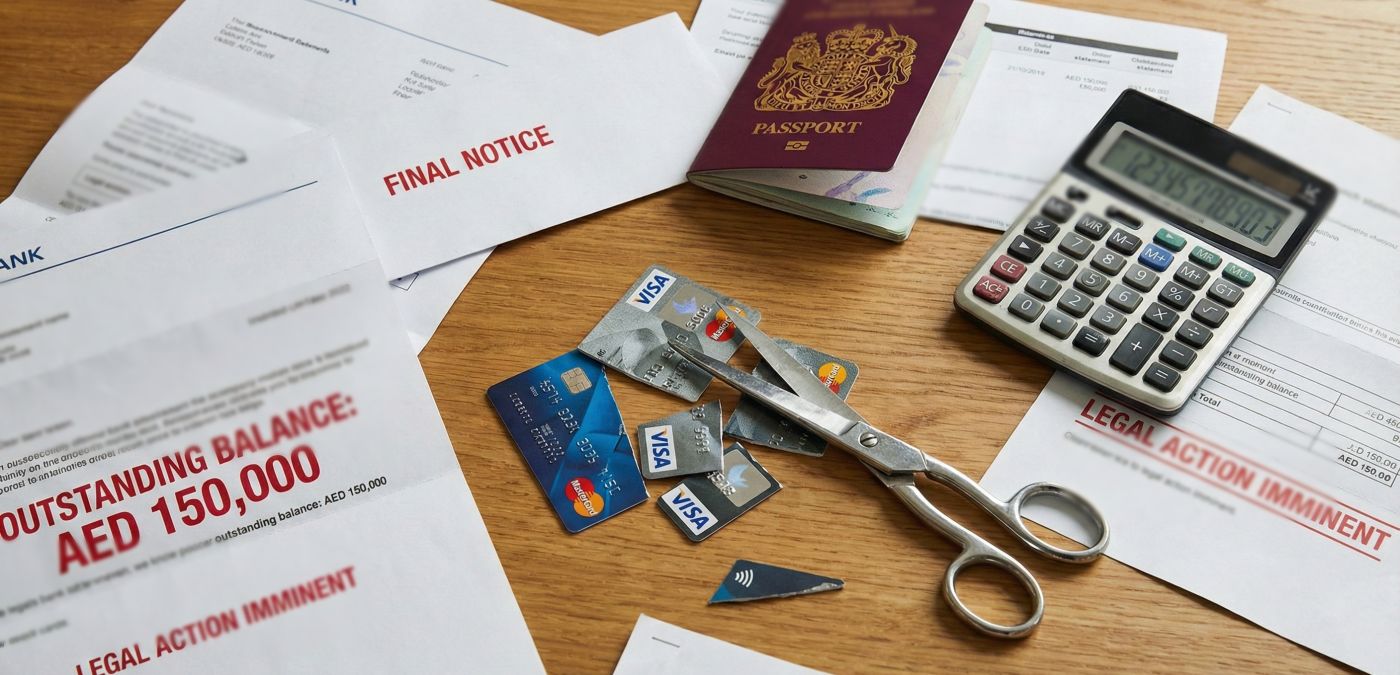
In June 2025, my coworker got arrested for debt. Not for stealing, not for fraud. For having unpaid credit card debt. He spent 3 days in jail, lost his job, got deported, and is now banned from returning to the UAE.
That's when I realized "safe" in Dubai means something very different than "safe" in the West.
Two years in. Here's what nobody tells you about safety in Dubai.
The Thing That Destroyed My Coworker's Life: Debt Criminalization
What happened: June 2025. My coworker—let's call him James—had credit card debt. About AED 50,000 ($13,600). He was making payments but fell behind during a slow work period.
The bank filed a criminal complaint. Police arrested him at work. Three days in jail. Company fired him (standard policy). He was deported within a week. Now he's banned from UAE for life unless he pays the full debt plus fees (which he can't afford from his home country).
What I didn't understand:
- Unpaid debt is a CRIMINAL offense in UAE, not civil
- Banks can file police complaints
- You can be arrested, jailed, and deported for debt
- There's no bankruptcy protection like in Western countries
- Even after deportation, you're banned until debt is paid in full
- This applies to: credit cards, loans, rent, car payments, personal loans
Why this is terrifying:
- Lose your job? Still responsible for debt
- Medical emergency drains savings? Still responsible
- Company doesn't pay you? Still responsible for your debts
- Economic downturn? Thousands of people get trapped
Other things that can get you arrested and deported:
- Bounced checks (even accidental)
- Unpaid traffic fines (if they accumulate)
- Breaking lease early without paying penalty
- Unpaid utility bills
- Business debt (even if business fails)
The trap: Many expats live on credit. Big lifestyle, fancy apartment, car loan, credit cards. One job loss and the whole thing collapses. Can't leave until debts paid, but can't work without visa, but visa is cancelled when you lose job.
Current status: I paid off all my credit cards immediately. I don't borrow money here anymore. Not worth the risk.
The Thing That Almost Killed Me: Summer Heat
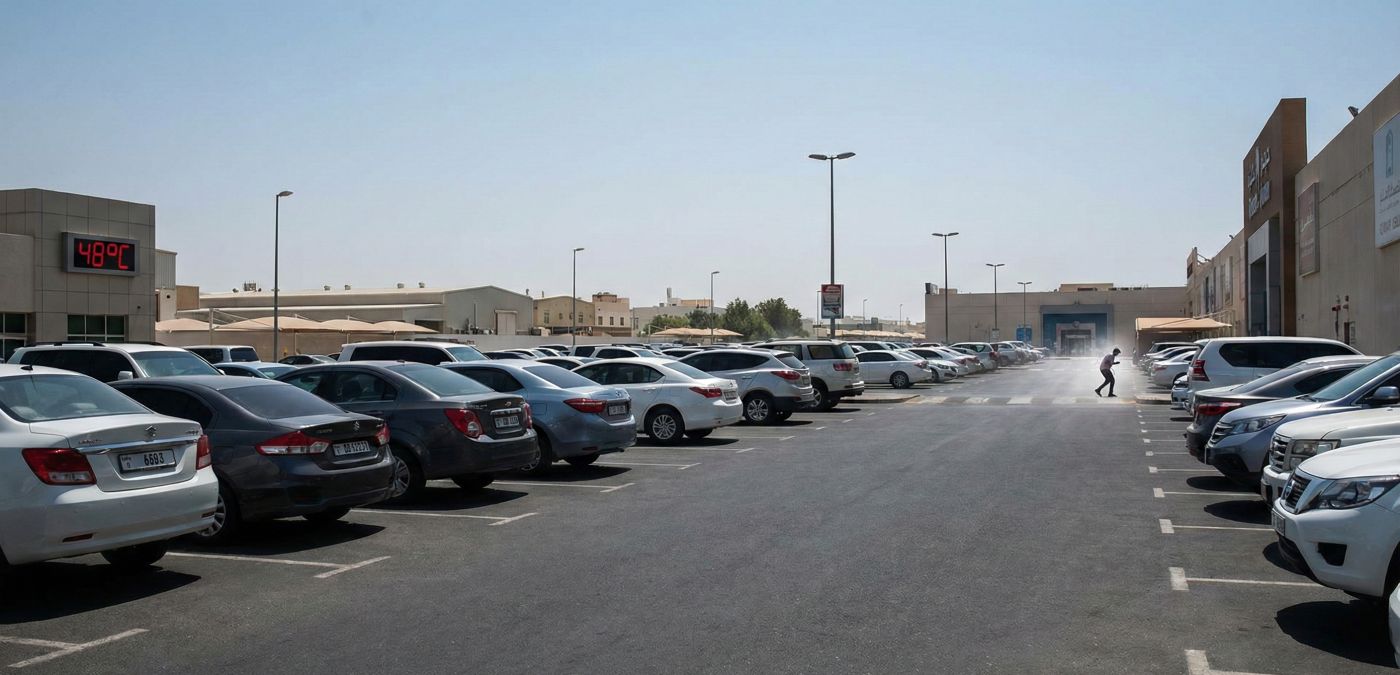
August 2025: Temperature hit 51°C (124°F) with humidity making it feel like 60°C+. Heat index in direct sun was deadly.
What happened to me:
- Walked from parking to mall (5 minutes outside)
- Started feeling dizzy, nauseous, confused
- Vision went blurry
- Collapsed in mall entrance
- Mall security called ambulance
- Heat exhaustion, close to heat stroke
- IV fluids, hospital for 4 hours
What I didn't understand:
- 5 minutes outside in peak heat can cause heat emergency
- Humidity makes it feel much hotter than temperature shows
- You can go from "fine" to "medical emergency" in minutes
- Even healthy, fit people are at risk
- Heat stroke can kill you within 30 minutes
Deaths every summer:
- Construction workers (working outside in heat)
- Delivery drivers (motorcycles, no AC)
- Homeless people (yes, they exist here)
- Tourists (underestimate the danger)
- Marathon runners (despite warnings)
- Workers in warehouses (inadequate cooling)
The horror: Construction workers are required to work despite the heat. There's a "midday break" law (12:30-3 PM in summer), but it's often ignored. Workers die every year. Newspapers report it briefly. Nothing changes.
Why this is dangerous:
- UAE has extreme heat June-September
- Outdoor work is sometimes unavoidable
- Public transport requires walking outside
- Cars become ovens in minutes
- Not all buildings have adequate AC
- Heat stroke can cause permanent organ damage or death
What I learned:
- Never go outside 11 AM - 4 PM in summer
- Park underground if possible
- Always carry water
- Know heat stroke symptoms (confusion, stop sweating = emergency)
- Don't exercise outside in summer (people die doing this)
Current status: I avoid going outside during summer daytime entirely. I leave my house before 7 AM or after 7 PM. It's like being in prison for 4 months.
The Thing That Killed My Uber Driver's Friend: Traffic
UAE has one of the highest road death rates in the world.
My Uber driver told me: His friend died last year. Driving on Sheikh Zayed Road at night. Car going 180 km/h hit him from behind. Five-car pileup. Friend died instantly.
The driver going 180 km/h was an Emirati. No charges filed. Classified as "accident."
Why UAE roads are deadly:
- Extremely aggressive driving (speeding, tailgating, dangerous lane changes)
- Speed limits routinely ignored (120 km/h zones treated like 160+)
- Mix of very fast and very slow drivers (dangerous)
- Luxury cars driven recklessly
- Poor enforcement for certain nationalities
- "Wasta" (connections) can get you out of trouble
- Roads designed for speed, not safety
Specific dangers:
- Sheikh Zayed Road (E11): Main highway, multiple lanes, extremely fast, frequent accidents
- Roundabouts: People enter at high speed without looking
- Lane discipline: Nonexistent, cars weave between lanes constantly
- Tailgating: If you're in left lane and not going fast enough, cars flash lights and tailgate aggressively
- Pedestrian crossings: Cars don't stop, even though it's law
Personal experience:
- Nearly rear-ended three times (sudden stops from weaving traffic)
- Witnessed two serious accidents
- Seen cars going 180+ km/h on highways regularly
- Been tailgated aggressively for going "only" 140 km/h
The nationality factor: There's an unofficial hierarchy. Emiratis have more legal protection. Western expats have some protection. South Asian/African expats have least protection. If you're in an accident with an Emirati, you may be blamed regardless of fault.
Insurance issues:
- Even minor accidents require police report
- If you're blamed, insurance won't cover you
- Can be banned from driving
- Can affect visa status
Current status: I stopped driving. I use Uber/Careem exclusively. Not worth the risk.
The Legal Dangers Nobody Warns You About
Things that can get you arrested, fined, jailed, or deported:
1. Social media posts
- Criticizing UAE government
- Posting photos of people without permission
- Sharing "fake news" (broadly defined)
- Insulting Islam or UAE culture
- Swearing in posts visible to UAE residents
Example: British tourist arrested for Instagram post calling someone "horse face." Detained for 3 days, fined, banned from UAE.
2. Cohabitation
- Unmarried couples living together is technically illegal (rarely enforced but used selectively)
- Can be used against you if someone reports you
- Risk increases if you're in dispute with landlord, employer, or authorities
3. Alcohol
- Drinking in public (even slightly buzzed in public view)
- Driving with any alcohol in system (zero tolerance)
- Carrying alcohol without license
- Being drunk in public
Example: Tourist arrested for being drunk on plane landing in Dubai. Jailed, deported, banned.
4. Prescription medications
- Many common medications are illegal (some antidepressants, ADHD meds, painkillers)
- Must have prescription and declaration
- Can be arrested at airport for medications in luggage
5. Dress code
- Public indecency (broadly defined)
- Swimwear outside beach/pool areas
- Tight or revealing clothing in malls/public (enforced selectively)
6. Physical contact
- Public displays of affection (kissing, touching)
- Unmarried couples holding hands (rarely enforced but technically illegal)
- Adultery (criminal offense)
7. Photography
- Taking photos of government buildings
- Photos of people (especially women) without permission
- Photos that might "harm UAE's reputation"
The real danger: These laws are enforced selectively. You might see others doing these things with no consequences. But if someone reports you, or if authorities decide to enforce it, you have no defense. "Everyone else does it" is not accepted.
The Thing That Made Me Complicit: Labor Exploitation
What I witness daily:
- Construction workers in 45°C heat with minimal breaks
- Delivery riders on motorcycles working 12+ hour days
- Domestic workers trapped in sponsorship system (can't change employers)
- Service workers paid AED 1,500-2,000/month ($400-550) while cost of living is high
- Workers living 8-10 people in small rooms
- Passport confiscation by employers (illegal but common)
- Recruitment debt traps (workers pay to get jobs, then trapped)
The sponsorship system:
- Employer sponsors your visa
- Can't change jobs without employer permission
- Employer can cancel visa anytime
- Must leave country within 30 days if fired
- Creates power imbalance and exploitation
What I've seen:
- Worker injured on construction site, company paid him to leave quietly without medical care
- Domestic worker not paid for 6 months, couldn't leave because employer had her passport
- Delivery rider died from heat stroke, company released statement, nothing changed
- Security guard working 12-hour shifts 6 days/week for AED 1,800/month
Why this is a safety issue:
- Creates underclass of exploited workers
- They can't report abuse (risk deportation)
- Dangerous working conditions continue unchecked
- Society becomes complicit
- Affects your moral safety (can you live with witnessing this?)
The uncomfortable truth: Dubai's luxury and safety for wealthy expats is built on exploitation of poor migrant workers. The clean streets, tall buildings, delivered food—all depend on workers with no rights.
Current status: I struggle with this constantly. I benefit from this system while hating it. Leaving is one option. Staying means being complicit.
What's Actually Dangerous in Dubai (In Order)
1. Legal system
Debt, social media, alcohol, drugs, cohabitation, dress code—all can lead to arrest, jail, deportation.
How to avoid:
- Learn all laws (not just the obvious ones)
- Don't borrow money
- Be extremely careful with social media
- Don't drink outside licensed venues
- Dress conservatively
- Don't trust that "everyone does it"
2. Traffic
One of highest death rates globally. Aggressive driving, speeding, poor enforcement.
How to avoid:
- Use taxis/Uber instead of driving
- If driving, be extremely defensive
- Avoid Sheikh Zayed Road during rush hour
- Don't trust that cars will stop for you
3. Extreme heat (summer)
Deadly. Heat stroke can kill within 30 minutes in peak summer.
How to avoid:
- Stay inside 11 AM - 4 PM, June-September
- Always carry water
- Know heat stroke symptoms
- Don't exercise outside in summer
- Park underground when possible
4. Sponsorship system exploitation
If you're in low-wage job, you're trapped. Can't leave, can't change jobs, can't report abuse.
How to avoid:
- Negotiate contract carefully before coming
- Have emergency fund to leave if needed
- Know your rights (limited as they are)
- Don't let employer hold your passport
5. Financial traps
Lifestyle inflation, debt, credit culture. One job loss and you're trapped.
How to avoid:
- Live below your means
- Don't borrow money
- Keep 6 months emergency savings
- Have exit plan
6. Sandstorms
Reduced visibility, respiratory issues, flight cancellations.
How to avoid:
- Stay inside during sandstorms
- Close windows and doors
- Use air purifier
- Delay travel if storm predicted
Things That Are Not Dangerous (Despite Expectations)
Street crime: Extremely rare. You can walk around at 3 AM with no concerns.
Terrorism: Rare. UAE has very tight security.
Theft/pickpocketing: Very uncommon. People leave bags unattended in cafes.
Violent crime: Almost nonexistent for expats.
Scams: Less common than most countries (but still exist, mainly taxi scams at airport).
Food safety: Very high standards. Restaurants are regularly inspected.
Water quality: Tap water is safe to drink.
What I Wish I'd Known Before Moving
1. "Safe" doesn't mean "free"
Dubai is safe from crime. But you trade freedom for safety. Constantly aware of what you say, post, wear, do.
2. The legal system has no grace period
In the West, you get warnings, small fines, chances. Here, you can go from normal life to jail in one day.
3. The heat is not like "regular hot weather"
It's life-threatening. It limits your life for 4 months/year.
4. Labor exploitation is everywhere
You can't avoid seeing it. It will affect you morally.
5. Debt is a trap
No bankruptcy protection. One financial mistake can ruin your life.
6. It's a temporary place
Very few expats stay long-term. Everyone's planning to leave eventually. Hard to build real life here.
Practical Safety Tips That Actually Matter
Legal:
- Research ALL laws before you come (not just common ones)
- Don't borrow money or use credit cards here
- Be extremely careful on social media (private accounts, location off)
- Don't drink unless in licensed venue
- Dress conservatively in public
- Don't criticize UAE in any way
- Have lawyer's contact info saved
Heat:
- Stay inside during summer daytime
- Always carry water
- Know heat stroke symptoms
- Never leave anyone (kids, pets, elderly) in car
- Check AC is working in your apartment
Traffic:
- Use taxis/Uber if possible
- If driving, be extremely defensive
- Full insurance coverage
- Dashcam for evidence
- Don't argue with other drivers
Financial:
- Live below your means
- Don't borrow money
- Keep 6 months emergency savings
- Have exit plan and exit funds
Employment:
- Read contract carefully before signing
- Don't let employer hold passport
- Know your rights under labor law
- Have backup plan if you lose job
General:
- Keep emergency fund (to leave quickly if needed)
- Have important documents in multiple locations
- Know location of your embassy
- Have lawyer contact info
- Don't trust that "everyone does it" means it's safe
Emergency Contacts
999 - Police
998 - Ambulance
997 - Fire
996 - Coast Guard
Tourist Police: +971 800 4438
Embassies:
- US Embassy Abu Dhabi: +971 2 414 2200
- British Embassy Dubai: +971 4 309 4444
Private hospitals (English-speaking):
- American Hospital Dubai: +971 4 336 7777
- Mediclinic City Hospital: +971 4 435 9999
Legal help:
- Dubai Legal Affairs: +971 4 608 6888
Final Thoughts
Dubai is safe. The statistics are real. You won't be mugged, assaulted, or harassed on the street.
But Dubai's safety comes with conditions:
- Don't break laws (even ones you didn't know existed)
- Don't criticize the government
- Don't fall into debt
- Don't get sick from heat
- Don't get in car accident
- Accept the labor exploitation you'll witness
The question isn't "Is Dubai safe?" The question is: Safe for whom, and at what cost?
For wealthy expats who follow all rules: very safe.
For low-wage migrant workers: not safe at all.
For anyone who makes one legal or financial mistake: safety disappears instantly.
Am I leaving Dubai? Probably. The high salary isn't worth:
- Living in fear of accidental legal violations
- Witnessing exploitation daily
- Spending summer imprisoned indoors
- Knowing one debt or accident could destroy my life
If I could tell myself one thing before moving: "Low crime doesn't mean safe. It means the danger comes from different sources: laws, heat, traffic, debt, and your own complicity in an exploitative system."
Dubai is safe. Until it isn't. And when it isn't, there's no mercy.
Last updated: October 2025. Based on 2+ years living in Dubai. Laws and enforcement can change. I'm not a lawyer, just an expat sharing personal experience.
Road safety data from Dubai Police. Heat statistics from Dubai Health Authority. Labor issues from Human Rights Watch and personal observation. Legal information from UAE government sources and expat experiences.