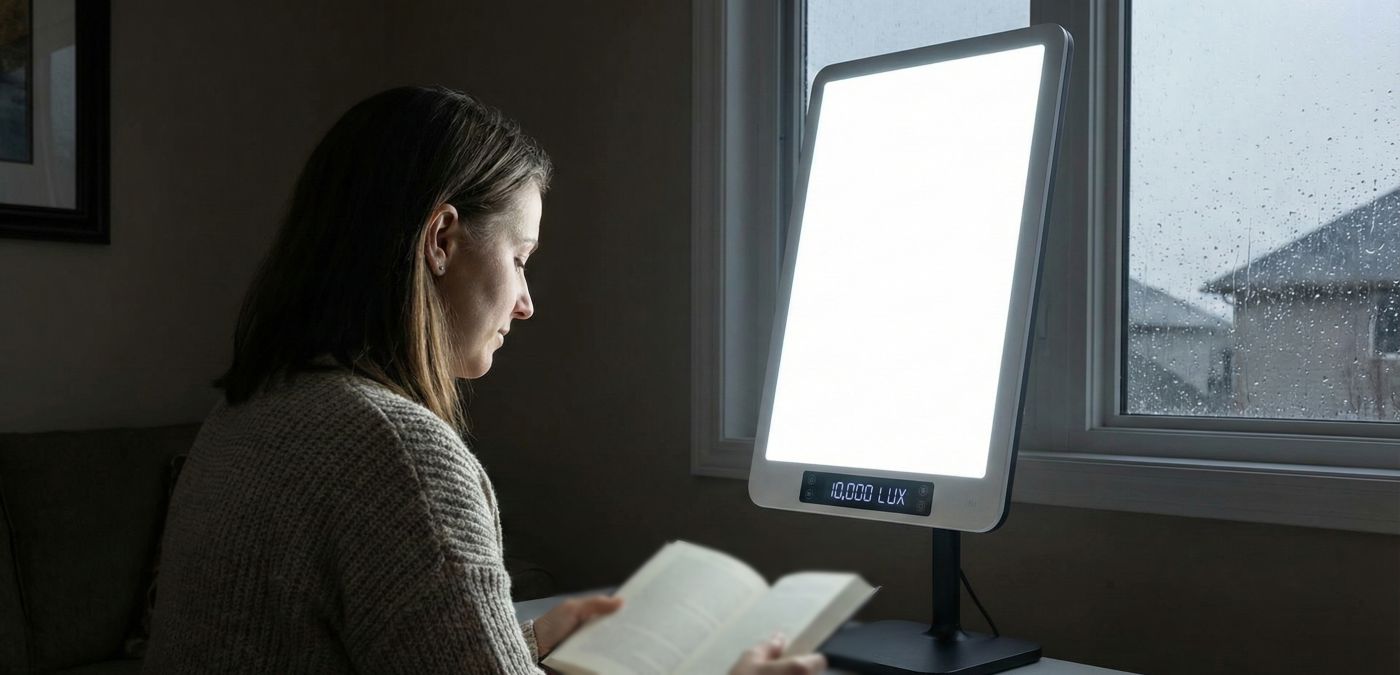
Everyone obsesses about Estonian cold. Wrong problem. The cold is manageable—humans have solved cold. The darkness is what breaks you.
From October to March, Tallinn gets maybe six hours of grey light. Not daylight. Grey light. Like living inside a died computer monitor.
My first November, I thought I was developing narcolepsy. Falling asleep at 4pm. Wide awake at 2am. My body had no idea what time meant anymore.
Then my Estonian colleague Kristjan saw my desk setup. "Where's your lamp?"
"The overhead light?"
He actually laughed. First time in three months.
The SAD Lamp Is Not Optional
Estonians don't call it SAD (Seasonal Affective Disorder). They call it "normal." But every Estonian apartment has The Lamp. Sometimes three.
Kristjan took me to Euronics in Ülemiste. Not the tourist one. The basement level where Estonians actually shop.
Beurer TL 30 daylight lamp: €65
"Minimum 10,000 lux," Kristjan said. "Every morning, 30 minutes. While you drink coffee. Or you become like..." He gestured vaguely at the darkness outside. It was 2pm.
Three weeks with the lamp: I stopped wanting to die at 3pm. Started feeling like a tired human instead of a defeated ghost.
The lamp doesn't fix everything. You're still in Estonia. But it's the difference between functional depression and complete shutdown.
Why Estonians Don't Talk About Reflectives (They Just Wear Them)
My second week, I nearly got hit by a car. And a tram. And another car. All in one day.
"You need reflectors," my neighbor said, after I told her.
"I have a reflective stripe on my jacket."
She looked at me with the specific Estonian expression that means "you're too stupid to survive here but I'm too polite to say it directly."
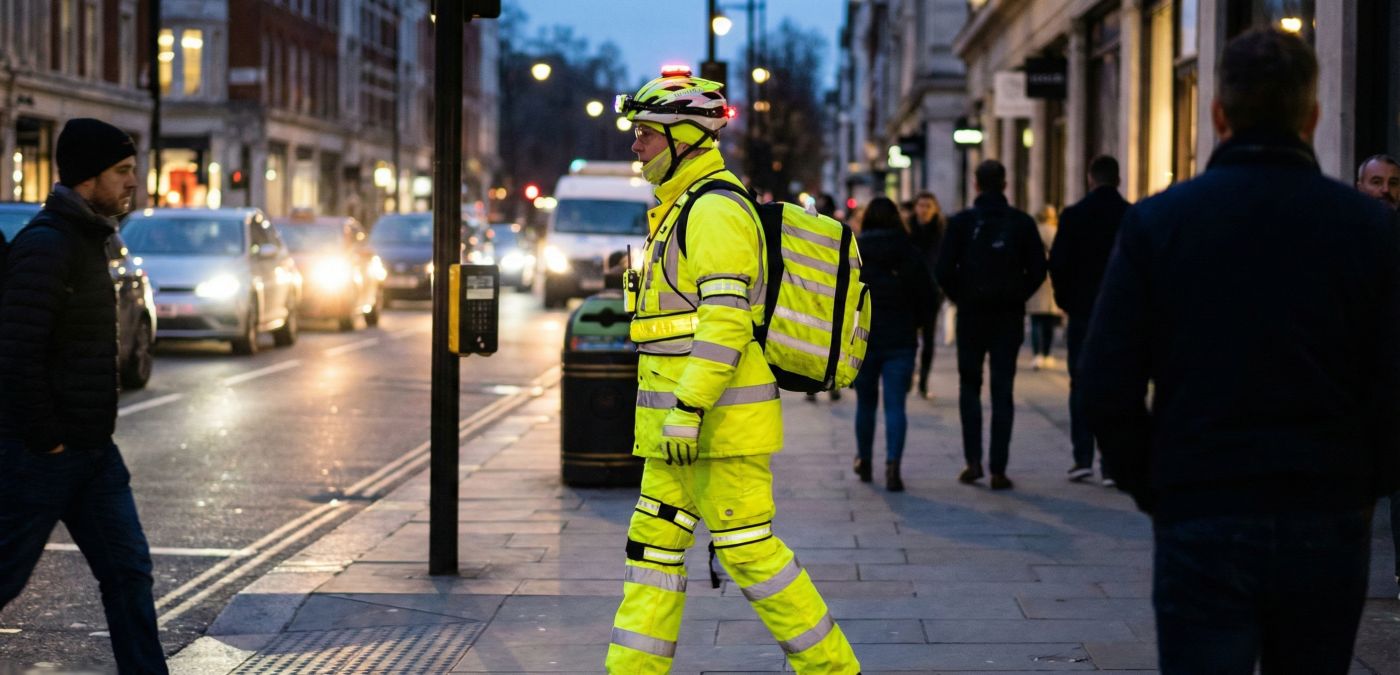
Next day, she left a plastic bag on my door. Inside: reflective tags, reflective arm bands, reflective ankle bands. Like a rave threw up safety equipment.
From R-Kiosk: €2-5 per piece
Estonians don't wear one reflector. They wear seven. It's not fashion. It's not optional. From October to March, everyone looks like a Christmas tree designed by the highway department.
The law requires at least one reflector. But the law assumes minimum survival. Actual survival requires more.
Now I wear:
- Two reflective tags on my backpack
- Reflective arm bands
- Reflective ankle bands when walking
- A reflective vest over everything if cycling
Do I look ridiculous? Yes. Am I alive? Also yes.
The Valenki Revelation
Estonian winter footwear isn't about waterproofing or insulation ratings. It's about accepting that your feet will be cold and wet, so you might as well be comfortable.
Balti Jaam Market. Behind the station. Looks like where you'd buy stolen phones. Smells like cabbage and disappointment.
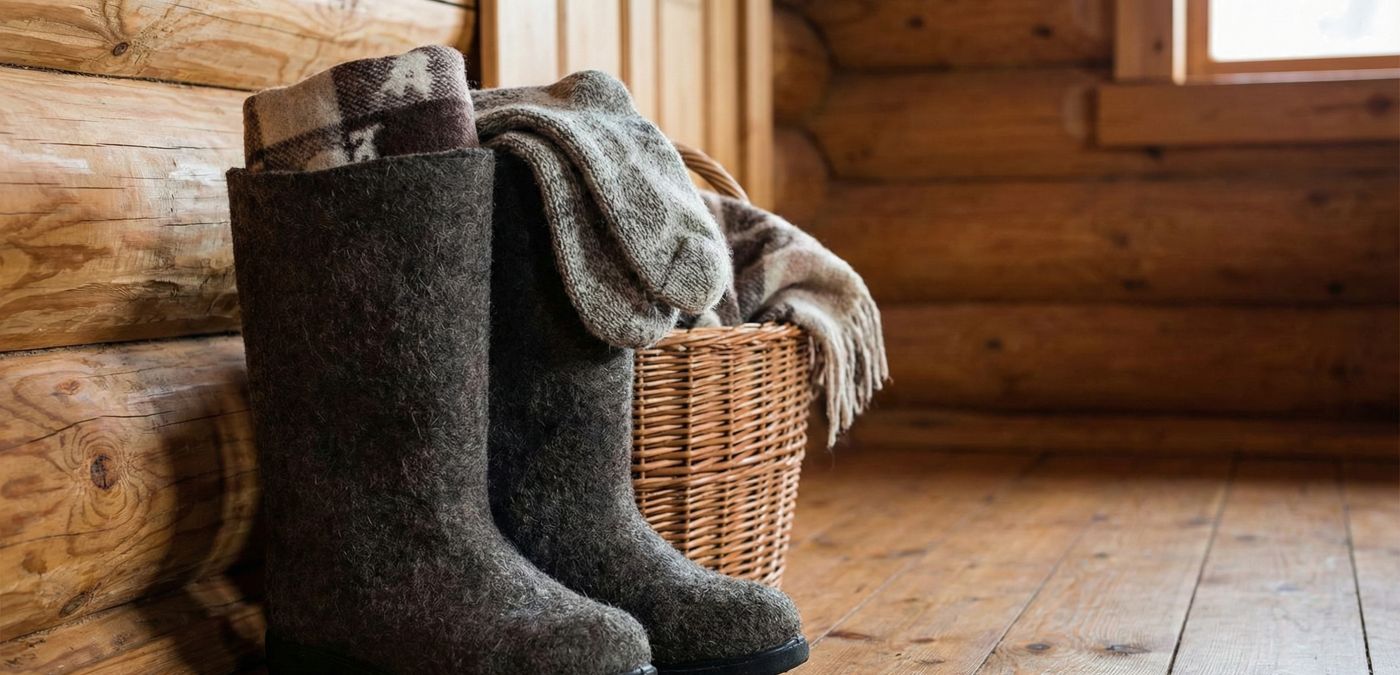
A babushka selling felt boots. Valenki. Soviet technology. Literally just compressed wool shaped like boots.
€35
"These are waterproof?" I asked.
She laughed. Not with me. At me.
"Nothing is waterproof. These are warm when wet."
She was right. The Valenki get wet. But they stay warm. And they dry overnight by the radiator. Unlike my $200 waterproof boots that stayed wet for three days and smelled like death.
The trick: Plastic bags inside when it's really wet. Yes, bread bags on your feet. This is Estonian elegance.
Why Every Estonian Has Three Thermoses
Coffee doesn't stay hot here. Nothing stays hot. The cold enters through windows, walls, your soul. Your coffee is iced in 10 minutes.
But Estonians don't reheat coffee. They make it once, properly, then fortress it in thermoses.
Kristjan's desk: Three thermoses. Morning coffee (black). Afternoon coffee (black). Emergency coffee (black).
From Prisma: €12-25 each
Not fancy thermoses. Not Instagram thermoses. Functional Soviet-looking cylinders that could survive nuclear war.
The point isn't the thermos. It's the system. Make coffee once when you have energy. Survive on it all day when you don't.
Estonian productivity isn't about working hard. It's about working in the brief windows when you're functional, then maintaining minimum operations when the darkness takes over.
The Wool Cult
Estonians don't layer like Americans layer. Americans layer for activities: base layer, insulating layer, shell layer. Estonians layer for reality: wool, wool, more wool, maybe wool again.
Every Estonian owns:
- Wool socks (minimum 10 pairs)
- Wool underwear (yes, underwear)
- Wool sweaters (at least 5)
- Wool mittens (not gloves, mittens)
From Kaubamaja, from grandmother, from mysterious aunt in Saaremaa. Doesn't matter. Just wool.
Total wool investment: €200-500
But here's what nobody tells you: Estonian wool isn't soft merino travel wool. It's scratchy, thick, possibly made from barbed wire sheep. It's uncomfortable. It's also why Estonians survive and expats leave.
The wool works wet. Works frozen. Works when you've given up on life but still need to get to Rimi for groceries.
The Apartment Kit Nobody Mentions
Your Airbnb won't have these. Your landlord thinks they're obvious. They're not.
The Survival Kit:
- Blackout curtains that actually black out: €40 (Jysk)
- Humidifier for when heating makes air into sand: €45 (Euronics)
- Electric blanket because heating costs more than rent: €35 (Prisma)
- Vitamin D, 4000 IU minimum: €15 monthly (Apteek)
- Second set of indoor clothes because first set is drying: €50
Total: €185
This isn't gear. It's accepting that Estonian apartments are designed for Estonian depression tolerance, which you don't have.
Why Ice Grippers Are Cultural Acceptance
Estonians don't clear sidewalks. Not won't. Don't. It's philosophical.
"Ice is natural," Kristjan explained. "Clearing ice is fighting nature. We don't fight nature. We adapt."
So everyone wears ice grippers. Not sometimes. October to April.
From Rimi or Prisma: €6-15
The cheap ones work as well as expensive ones. They all look equally stupid. They all prevent you from dying.
Wearing ice grippers is accepting that Estonia won't change for you. The ice stays. You adapt or you fall.
I've fallen seven times. Each time, an Estonian helped me up without comment. They've all fallen too. Falling is part of it. The grippers just reduce frequency.
The Estonian Gear Philosophy
Estonians don't buy gear for activities. They buy gear for existing.
The question isn't "What do I need for hiking?" It's "What do I need to leave my apartment in November?"
The answer:
- Light (for your brain)
- Reflectors (for not dying)
- Wool (for when everything else fails)
- Acceptance (for everything)
My North Face setup cost $800 and failed completely. My Estonian setup cost €400 and I'm still alive. Not thriving. But alive.
The difference: My North Face was fighting Estonian winter. My Estonian gear accepts it.
Where things actually are:
- Euronics: Ülemiste Keskus (basement level)
- R-Kiosk: Everywhere, literally
- Balti Jaam Market: Behind the train station
- Prisma: Sikupilli Keskus or Mustamäe
- Kaubamaja: City center, fancy but has everything
- Jysk: Multiple locations for home stuff
- Any Apteek (pharmacy): For Vitamin D
Note: This is about surviving Estonian darkness, not conquering it. You don't conquer Estonian winter. You submit to it with appropriate equipment.
Photo Sources:
- Tallinn winter darkness
- Unsplash: https://unsplash.com/s/photos/tallinn-dark-winter
- Search: "Tallinn 3pm darkness winter"
- SAD lamp desk setup
- Search: "Beurer TL 30" or "daylight lamp workspace"
- Amazon product images
- Estonian with reflectors
- Search: "Estonian pedestrian reflectors" or "helkur Estonia"
- Valenki boots
- Search: "valenki felt boots" or "Russian felt boots"
- Soviet thermos
- Search: "Soviet vacuum flask" or "USSR thermos"
- Estonian wool sweater
- Search: "Estonian traditional knitting" or "Muhu pattern sweater"
- Ice grippers
- Search: "shoe ice grippers" or "ice cleats boots"