Everyone talks about Estonia's amazing e-government. Digital everything. Healthcare at your fingertips. The country that figured out bureaucracy.
It's genuinely impressive. It's also not as intuitive as the promotional videos make it look.
I moved here in spring 2023. Took me about three months to actually understand how the health system works digitally. Not because it's bad - it's actually quite good once you know what you're doing. But the learning curve exists, and nobody really explains the whole picture upfront.
This is that explanation.
What You're Getting Into
Estonia's healthcare system has three digital layers:
- Patient Portal (Terviseportaal at terviseportaal.ee, formerly digilugu.ee) - where you see your medical records, prescriptions, test results
- E-prescriptions - paperless prescriptions you can fill at any pharmacy
- Telemedicine platforms - video consultations with doctors
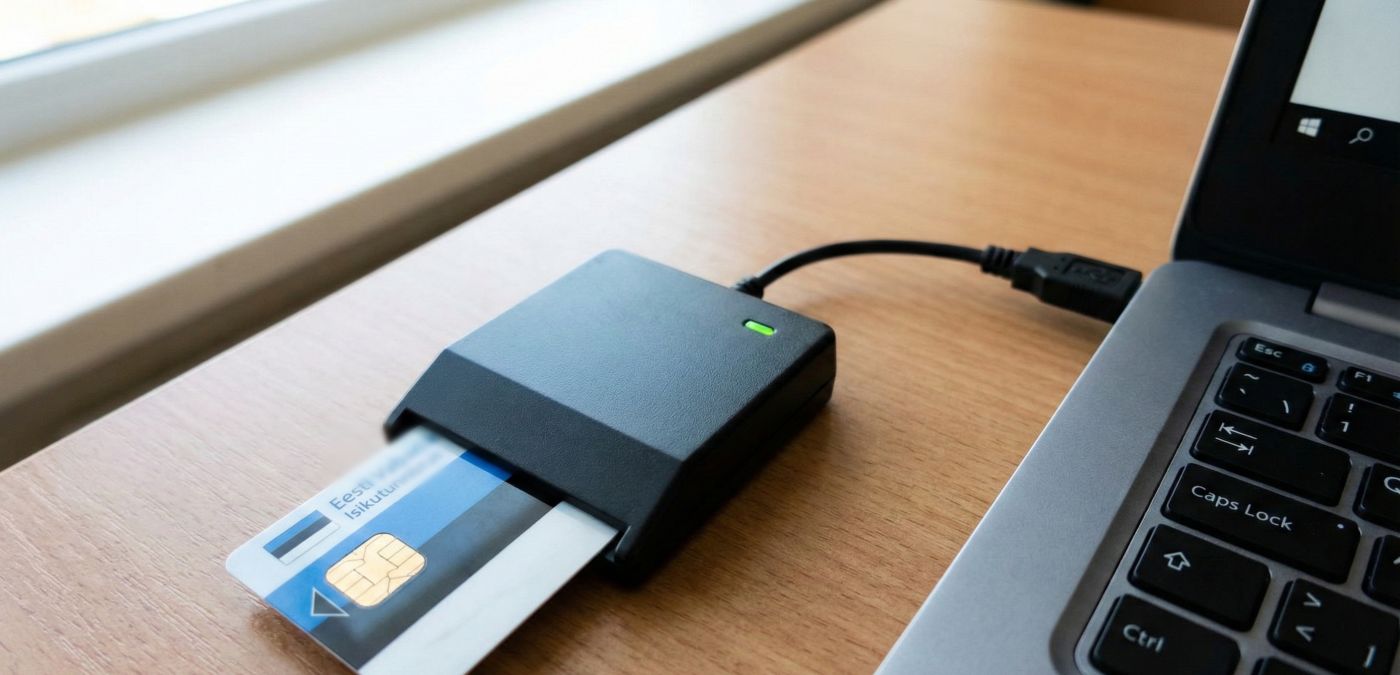
All of this requires your digital ID to access. If you don't have either an Estonian ID card (with the chip reader) or Mobile-ID setup, you can't use any of this. That's step zero.
The system is legitimately ahead of most countries. But there are gaps. Some doctors don't digitize all notes. Some services still require in-person visits. The UI is available in English, but clinical documents are typically in Estonian.
Quick reference - Healthcare fees in Estonia (for insured patients):
- Perearst (family doctor) clinic visit: €0
- Perearst home visit: €5
- Specialist outpatient visit: up to €5
- Emergency room visit: up to €25
Let's walk through how this actually works.
Part 1: Getting Digital Access
You need one of these to access any Estonian e-services:
Option 1: Estonian ID card + card reader
- If you're a resident, you got an ID card
- You need a physical card reader (costs €15-25 at electronics stores)
- Install the Web eID extension in your browser
- This is the most reliable option but requires carrying a card reader
Option 2: Mobile-ID
- Available through Estonian mobile carriers (Telia, Elisa, Tele2)
- Costs approximately €2-3/month (varies by operator)
- Works through your SIM card - you authenticate with your phone
- More convenient than card reader
- Setup requires going to mobile operator store with your ID
Option 3: Smart-ID
- Free app-based authentication
- Not tied to specific mobile carrier
- Works across borders
- Newer option, increasingly popular
- Download app, then verify identity through your bank's online banking or with existing ID-card/Mobile-ID authentication
- Creating qualified Smart-ID requires proper identity verification, not just app download
I use Mobile-ID because I got it set up early and haven't bothered switching. Smart-ID is probably easier now if you're starting fresh.
First 2 weeks setup checklist:
If you're newly arrived in Estonia, here's what you need to do to get the health system working:
- Register your address in the Population Register (mandatory for residents)
- Ensure Tervisekassa coverage is active - if you're employed, your employer handles this through social tax. If self-employed or not working, check your coverage status and arrange voluntary insurance if needed
- Register with a perearst (family doctor) - you need to be on a doctor's patient list. Perearst offices have catchment areas; find one near you and register
- Activate your digital ID - set up Smart-ID or Mobile-ID (plus install Web eID browser extension if using physical ID card)
- Log into Terviseportaal for the first time - confirm your consents, check your access restrictions settings, verify your basic data is correct
- Order your EHIC from Tervisekassa if you plan to travel in the EU
Once these are done, the system should work smoothly. If you skip steps, you'll hit confusing errors later.
The setup process nobody warns you about:
When you first try to use healthcare services, you might hit friction even if you're legally resident. This usually happens because:
- You're not yet in the population register at your current address
- Your Tervisekassa (health insurance) coverage isn't showing as active yet
- You haven't registered with a perearst (family doctor)
The system needs these three things aligned. Often, physically visiting a perearst office and registering with them populates the necessary data and triggers everything to work properly. It's not an official requirement to "visit first," but it's the most reliable way to ensure your coverage metadata is correct in the system.
I found this out when trying to book an appointment online. Portal said I didn't exist. Had to visit a perearst office in person, register with them, then suddenly everything worked. Nobody explained this upfront.
Part 2: The Patient Portal (Terviseportaal)
This is where everything lives. Your medical history, prescriptions, test results, vaccination records, doctor's notes (when they digitize them).
Accessing it:
- Go to terviseportaal.ee (the old digilugu.ee redirects here)
- Click "Log in"
- Choose your authentication method (ID card, Mobile-ID, Smart-ID)
- Authenticate
- You're in
The interface is available in English, Estonian, and Russian. Switch language in top right corner.
What you can actually see:
Prescriptions (Retseptid):
- All active e-prescriptions
- What medication, dosage, how much you can get
- Which doctor prescribed it, when
- Prescription validity period
- How many times you can refill
This is genuinely useful. You can see all your prescriptions in one place, check what's still valid, see when refills are available.
What the portal doesn't show clearly: Sometimes prescriptions show as valid but pharmacies can't dispense because of Tervisekassa (health insurance) reimbursement restrictions. The prescription exists, but coverage requires specific diagnosis codes, prior approvals, or meets certain reimbursement rate criteria. The portal won't tell you this upfront - you find out at the pharmacy.
Medical documents (Terviseandmed):
- Doctor's visit summaries
- Test results (blood work, imaging, etc.)
- Hospital discharge summaries
- Specialist consultations
- Vaccination records
How complete this is varies wildly.
Some doctors write detailed notes in the system. Others write minimal information. Some specialists at private clinics don't upload anything and give you paper copies instead. There's no requirement that 100% of your medical care gets digitized.
I've had:
- Blood test results appear within 2 hours (impressive)
- A specialist visit with zero notes uploaded even weeks later (frustrating)
- An X-ray report available next day (good)
- A GP visit where notes were in Estonian only despite English conversation (understandable but inconvenient)
Health data (Terviseandmed): Shows chronic conditions, allergies, previous diagnoses. Doctors add this when they diagnose you with something. In theory. In practice, depends on the doctor.
Access log (Juurdepääsulogi): This is actually cool - you can see every single time anyone accessed your medical records. Which doctor, when, which documents. Good for privacy transparency.
What you can do:
- Download documents as PDFs
- Grant access to specific people (family members, caregivers)
- Hide specific documents from certain doctors if you want (though in emergencies or specific legal cases, break-glass access may override this and will be logged in your access log)
- Export your entire medical history
- Request proxy access to dependents' health data (your children, subject to age and consent rules)
What you can't do:
- Edit anything (obviously)
- Communicate with doctors directly through the portal (no messaging system)
- Book appointments universally (each clinic/hospital has their own booking system - some online, some phone/email only. Larger hospitals and private chains often have their own web portals; perearst offices vary widely in their booking methods)
- See actual waiting times for specialists before making a referral (the portal doesn't show live queues. You find out wait times when you try to book)
- Get immediate help if you find errors (contact the facility to request corrections)
Part 3: E-Prescriptions - How They Work
Estonia went fully digital with prescriptions. No paper prescriptions exist in the national system anymore (private doctors can still write paper, but it's rare).
The process:
- Doctor writes prescription during your visit (or after telemedicine consultation)
- Prescription goes directly into national database
- You can see it in patient portal
- You go to any pharmacy in Estonia
- Give them your ID number (isikukood)
- They pull up your prescriptions
- You choose which one to fill
- Pay and receive medication
No physical prescription card. No paper. Just your ID number.
This works smoothly about 90% of the time.
The 10% where it doesn't:
Scenario 1: Prescription exists but pharmacy says it's not valid for coverage This happens when Tervisekassa reimbursement rules require additional documentation - specific diagnosis codes, prior approval, or other criteria the doctor didn't include when writing the prescription. The prescription is legally valid, but insurance won't cover it without the right codes/approvals.
Solution: Call doctor's office, explain the issue, ask them to add required diagnosis codes or approval documentation to the prescription in the system. Can usually be done remotely without another visit.
Scenario 2: You're traveling abroad E-prescriptions work in some other EU countries through the MyHealth@EU system - but only at participating pharmacies in participating countries (many Finnish pharmacies work, others are rolling out). It's not universal across the EU yet.
I tried filling an Estonian e-prescription in Finland. First pharmacy had no idea what I was talking about. Second pharmacy knew the system existed but said their computer couldn't access it. Third pharmacy (in Tallinn, Estonia again after giving up) filled it immediately.
For reliable travel access, ask your doctor for a printed medication list showing what you're prescribed and dosages. It's not a legal prescription abroad, but foreign doctors can use it to write a new prescription in their system if needed.
Scenario 3: Prescription expiration Prescriptions have validity periods. Could be 30 days, 90 days, a year. You can see this in the portal. The pharmacy system won't let you fill an expired prescription.
Problem: If it expires on a Friday evening and you need it for the weekend, you can't just renew it yourself. You need the doctor to write a new prescription. Some doctors respond to messages quickly. Others... don't.
Refills: Many prescriptions allow multiple refills (you'll see "0/3 used" or similar). You can just go back to the pharmacy and get another bottle/box without seeing the doctor again.
When you've used all refills, you need to see the doctor for a new prescription. Some doctors will do this via a quick telemedicine consultation. Others require an in-person visit.
Medication availability: The e-prescription system doesn't show which pharmacies have your medication in stock. Some pharmacy chains (like Apotheka, Südameapteek) have online stock checkers on their websites where you can search by medication name and see which locations have it. Otherwise, call ahead or just show up and hope.
Central Tallinn pharmacies usually stock everything. Suburban or small-town pharmacies might need to order medications, which takes 1-2 days.
Generic substitution: Pharmacies in Estonia actively promote cheaper generic equivalents. When you pick up a prescription, the pharmacist will often offer a generic version that costs less than the brand name prescribed. You can accept the substitution unless your doctor specifically marked the prescription as "no substitution allowed." This can save significant money, especially for medications not fully covered by Tervisekassa.
Part 4: Telemedicine Reality
Multiple platforms exist. Which one your doctor uses depends on their clinic/practice.
Common platforms:
- Qvalitas - used by many private practices
- Corrigo - another private system
- Perearst.ee - some family doctor offices
- Various hospital-specific systems - larger hospitals often have their own
There's no single unified telemedicine platform. Each clinic picks their own.
How it works (general process):
- Book appointment (usually through clinic website or phone)
- Receive link/access details (email or SMS)
- Log in to platform at appointment time
- Video consultation with doctor
- Doctor can prescribe medication (goes to e-prescription system)
- Doctor's notes get uploaded to patient portal (sometimes)
Language situation: Many doctors in Tallinn speak English. Outside Tallinn, less so. The platform interfaces are often Estonian-only or have limited English.
I've had telemedicine appointments that were:
- Perfectly smooth, English-speaking doctor, clear video, prescription issued immediately (good experience)
- Doctor spoke limited English, video kept freezing, had to call their office afterward to clarify what was prescribed (frustrating)
- Scheduled appointment, doctor never showed up, no notification, had to call to reschedule (annoying)
What works well through telemedicine:
- Prescription refills for chronic conditions
- Follow-up appointments after initial diagnosis
- Sick notes (if you're obviously sick but don't need examination)
- Simple consultations for minor issues
What doesn't work through telemedicine:
- Initial diagnosis requiring physical examination
- Anything needing imaging/lab tests
- Complex new conditions
- When you need a referral to specialist (often requires in-person visit first)
Cost: Telemedicine visits through the public system follow the same fee structure as in-person visits:
- Perearst (family doctor) visit: €0 for insured patients (clinic visit is free; home visits cost €5)
- Specialist consultation: up to €5 copay
Private telemedicine (outside the public system) runs €25-60 depending on provider and consultation type.
Part 5: Cross-Border EU Health Card
Estonia is in the EU, so the European Health Insurance Card (EHIC) system applies.
Important: Your Estonian ID card is NOT an EHIC. You must order your EHIC separately from Tervisekassa before traveling. You can get either a physical card or digital proof.
Your Estonian EHIC (once you have it) works in other EU/EEA countries for urgent or necessary care during temporary stays.
How this works:
- You get sick/injured in another EU country
- Go to public healthcare provider there
- Show your EHIC
- Receive treatment
- Pay whatever that country charges insured residents
- Usually much cheaper than being completely uninsured
I haven't had to use this yet, but others say it works smoothly in most of Western Europe. Eastern Europe can be hit-or-miss depending on the facility.
The reverse: EU citizens visiting Estonia can use their EHIC here at Estonian public facilities.
What's NOT covered:
- Planned procedures you travel for
- Private healthcare
- Complete coverage (you pay what insured residents pay, not €0)
- Medical repatriation
Part 6: What's Still Not Digital
Despite Estonia's reputation, some things remain stubbornly analog:
Mental health services: Access is improving but still largely requires in-person appointments. Therapy/counseling telemedicine exists but availability is limited. English-speaking options are sparse outside Tallinn.
Most mental health specialists don't integrate well with the digital portal - you get summaries sometimes, but detailed session notes aren't typically uploaded.
Specialist referrals: Your perearst (family doctor) needs to refer you to specialists. This referral goes into the system digitally, but the process of actually getting the referral often requires an in-person visit first. Some family doctors do referrals via telemedicine now, but it's not universal.
Waiting lists: The digital system shows you that you need a specialist appointment. It doesn't show you that the wait is 8 months. You find that out when you try to book.
Some specialties have massive backlogs. Orthopedics, dermatology, certain surgical subspecialties - you're looking at months of wait through the public system. Private is faster but expensive.
Emergency care: Obviously you can't digitally request an ambulance through the patient portal. Call 112 like everywhere else.
Emergency room visits generate records that eventually appear in the portal, but while you're in the ER, everything is happening in person/verbally.
Dental care: Private dentists (which handle most adult dental care) often use their own systems that don't integrate with Terviseportaal. You might get records, you might not. Depends on the dentist.
Public dental (limited availability for adults) integrates better. School-age children's dental care is publicly supported and integrates much more reliably with the digital system than adult dental does.
Eye care: Similar to dental. Optometrists and ophthalmologists often use independent systems. Some upload records, many don't.
Pharmacy interactions: While e-prescriptions are digital, actually talking to a pharmacist about medication questions requires going there in person. No digital consultation with pharmacists exists.
Part 7: When The System Hiccups
Problem: Portal says you have no prescriptions, but you just got one
Sometimes there's a 15-30 minute delay. Doctor writes prescription, takes time to sync. If it's been hours, call the doctor's office - they might have made an error entering it.
Problem: Can't log in to patient portal
Usually authentication issues. Check:
- Card reader working? (if using ID card)
- Web eID extension installed and updated?
- Mobile-ID active and paid? (if using that)
- Smart-ID app updated?
If none of those fix it, it might be portal maintenance (rare but happens). Try again later or call 1247 (national helpline).
Problem: Medical records are in Estonian, you can't read them
The portal UI is available in English, but clinical documents are typically written in Estonian. You can request an English summary from your doctor, but they're not obligated to provide one, and detailed clinical notes will likely remain in Estonian.
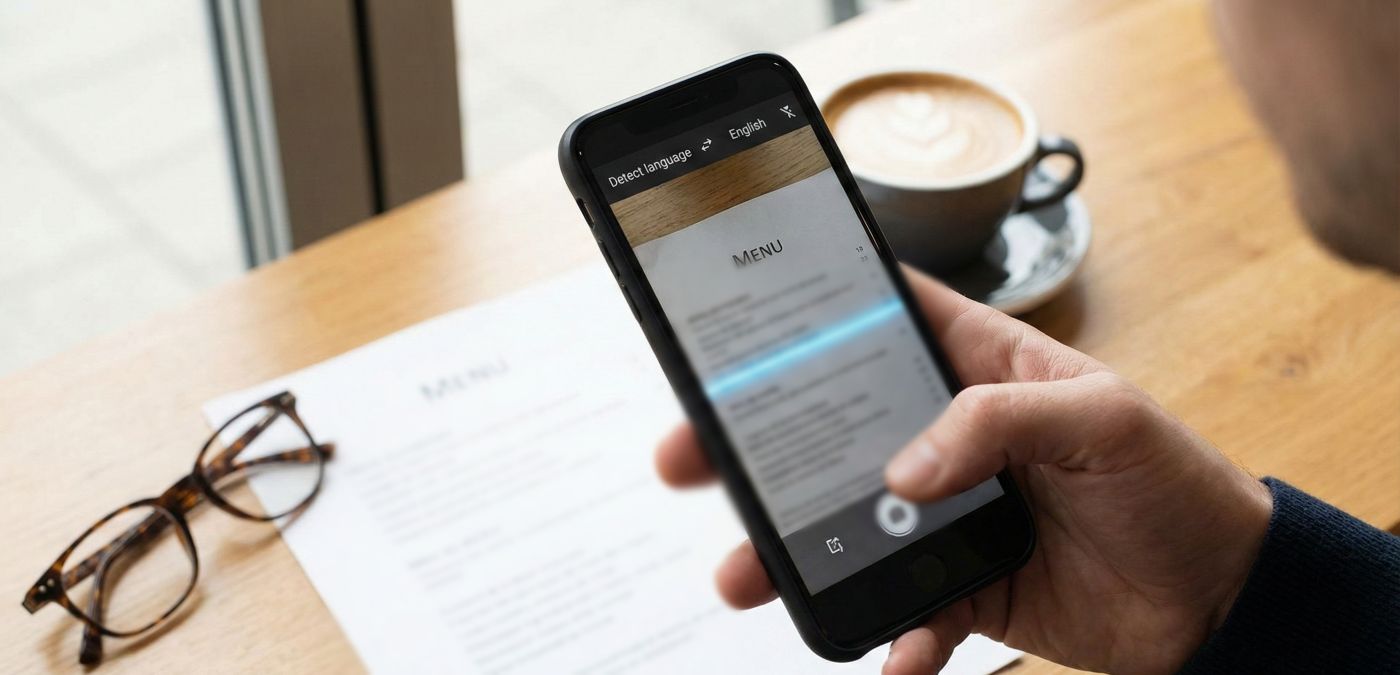
Best workflow: Download the PDF of the document, use Google Translate (either upload the PDF or use the camera translation feature on your phone). It's not perfect but better than nothing. Or ask your doctor to explain key points during your next visit.
Some doctors will write brief summaries in English if you ask nicely. Others can't or won't. It varies by doctor and facility.
Problem: Can't find a specific test result
Check if it's under "Medical documents" vs "Test results" - organization isn't always intuitive. If it's genuinely not there, the facility might not have uploaded it yet, or they use a system that doesn't integrate.
Contact the facility directly and ask when results will be available in portal, or request a paper copy.
Problem: Doctor made an error in your records
You can't edit it yourself. Contact the doctor's office, explain the error, ask them to correct it. They can amend records. How long this takes varies by practice.
Where to get help for specific issues:
Different problems require different contacts:
- Digital ID not working (can't log in) → id.ee support or 1247 helpline
- Portal technical issues (features not loading) → Terviseportaal/TEHIK support
- Health insurance coverage questions → Tervisekassa (tervisekassa.ee or visit their office)
- EHIC orders or international coverage → Tervisekassa
- Medical record corrections → Contact the specific doctor/facility that created the record
- Finding a perearst or registering → Contact perearst offices directly in your area
- Should I see a doctor for this symptom? → Call 1220 (nurse helpline)
Part 8: Practical Tips
Bring your phone to appointments: Even with digital everything, I've been asked to show information on my phone in several situations. Having the patient portal accessible helps.
Screenshot prescriptions: If traveling or if you're concerned about system access, screenshot the prescription details from the portal. Not a legal prescription, but helpful backup information.
Know your isikukood: Your Estonian personal ID number. You'll need it at every pharmacy, many clinics, etc. Memorize it or keep it accessible.
Download the Digital prescription app: There's an official app (Retsepti app) that shows your prescriptions. More convenient than logging into full portal just to check prescriptions.
Get medical records before leaving Estonia: If you're moving away, download everything from the portal before you lose access. Once you're no longer in the Estonian system, access becomes complicated.
Paper backup for travel: Before international travel, get two things:
- Your EHIC from Tervisekassa (if you don't have it already)
- A printed medication list from your doctor showing all current prescriptions and dosages
The cross-border e-prescription system (MyHealth@EU) works only in participating countries and specific pharmacies. Don't rely on it exclusively. Having paper backup ensures you can get help anywhere.
Language strategy: Google Translate app with camera feature can translate Estonian medical documents in real-time. Not perfect but helpful.
Consider finding an English-speaking perearst (family doctor) in Tallinn or other major cities. Makes everything easier long-term.
Check your access log regularly: The Terviseportaal access log shows every time anyone viewed your records. Make it a habit to check this occasionally - you can see which doctors accessed what and when. If you notice inappropriate access, you can file a complaint. This transparency is one of Estonia's best privacy features.
Part 9: Comparison to Non-Digital Systems
Having lived in [other country] before Estonia, the difference is substantial.
What Estonia does better:
- All prescriptions in one place, accessible anywhere
- Can see test results immediately without waiting for mail or phone calls
- Access log is excellent for privacy
- No lost prescriptions or having to track paper
- Can grant family members access to your records easily
- Vaccination records are actually maintained digitally
What's not actually better:
- Access to care hasn't magically improved - you still wait for specialists
- Digital interface doesn't fix doctor shortage problems
- Mental health care access is still difficult
- Technical problems create new frustrations
- System assumes everyone is tech-literate
The digital infrastructure is impressive. It doesn't solve underlying healthcare system issues like capacity, wait times, or uneven service quality. It just makes the bureaucratic parts more efficient.
Which is valuable! Just not a cure-all.
Part 10: Resources
Official patient portal: Terviseportaal - terviseportaal.ee (formerly digilugu.ee)
Healthcare appointment booking: No universal national booking portal. Check your specific clinic/hospital website, or call/email them directly. Larger hospitals and private chains have their own online portals; perearst offices vary.
Estonian Health Insurance (Tervisekassa): tervisekassa.ee - information about coverage, EHIC orders, reimbursements, etc.
Emergency: 112 (works for ambulance, police, fire)
Medical advice helpline: 1220 - staffed by nurses, primarily in Estonian but some English available. Good for "should I see a doctor?" triage questions
State information helpline: 1247 - general information line for government services, including help with e-services and digital ID questions
ID card and digital signature issues: id.ee
Finding English-speaking doctors: No official registry. Word of mouth, expat forums, or calling clinics directly to ask.
Final Thoughts
Estonia's digital health system is genuinely advanced compared to most countries. The e-prescription system works well once you understand it. The patient portal gives you control and visibility into your medical records.
It's not perfect. Some integration gaps exist. Not all providers participate equally. Technical literacy is assumed. Language barriers persist.
But compared to dealing with paper prescriptions, faxed referrals, and fragmented medical records? This is significantly better.
The learning curve is real though. Give yourself a few months to figure out how everything connects. Ask questions. Don't assume it's intuitive just because it's digital.
Once you know the system, it's quite good. Getting to that point takes some patience.
The promotional materials make it look seamless. The reality is that it's very good digital infrastructure applied to a healthcare system that still has the usual healthcare system problems. Digital tools can't fix staffing shortages, long wait times, or uneven service quality.
They can make bureaucracy easier though. And that's worth something.