Estonia has some of the best food safety standards in Europe and nobody mentions it. It's boring, which is exactly what you want in food safety.
The Short Version
EU member, Nordic-level infrastructure, cold climate, strict regulations. You're not getting food poisoning in Estonia unless you really try.
Why Estonia Is Weirdly Safe
Cold climate: Food spoilage is slower in cold weather. Estonia is cold most of the year.
EU standards: Same strict regulations as Germany or Sweden. Regular inspections, enforced rules.
Small population: Less density means less food safety issues overall.
Digital infrastructure: Estonia is e-Estonia. Everything is tracked, including food safety violations. Restaurants with violations are publicly listed online.
Nordic influence: They take food safety seriously. Cultural norm, not just regulation.
Tap Water
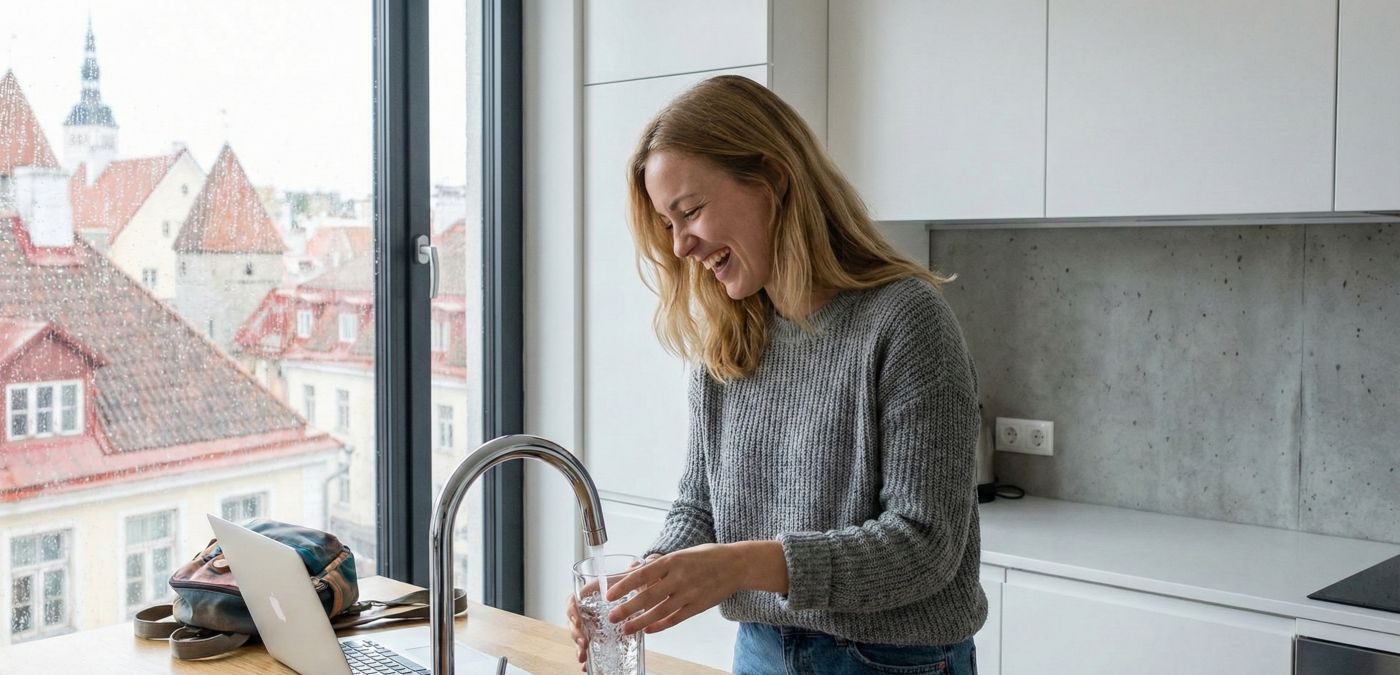
Estonia has excellent tap water. Drink it straight from the tap.
Tallinn's water comes from Lake Ülemiste and is treated to high standards. Same for other cities.
Some islands and rural areas might have slightly different quality, but it's still drinkable. Locals drink it without thinking.
This isn't Mexico. The tap water is fine.
What Estonian Food Actually Is
If you're expecting street food culture, wrong country.
Common foods:
- Black bread (leib) - hearty, dense, stays fresh for days
- Pork dishes - roasted, fried, in stews
- Fish - Baltic herring, smoked fish, fish soup
- Potatoes - in everything
- Sauerkraut and pickles - fermented, preserved
- Dairy - kefir, curd cheese, sour cream in everything
- Soups - hearty, meat-based, served hot
Not common:
- Street food (it's too cold)
- Spicy food (not the cuisine)
- Fresh tropical fruit (expensive imports)
Restaurant Scene
Tallinn Old Town: Tourist restaurants, safe but overpriced. Food is fine, experience is medieval-themed, locals don't eat there.
Tallinn outside Old Town: Where Estonians actually eat. Kalamaja, Telliskivi, Kadriorg - better food, better prices, same safety standards.
Tartu: University town, younger scene, good food culture. Safe across the board.
Narva: Russian-influenced, eastern city. Still safe, different vibe.
Seaside towns (Pärnu, Haapsalu): Summer destinations, seafood focus, tourist-friendly, safe.
Market Shopping
Balti Jaam Market (Tallinn): The main market. Fresh produce, meat, fish, cheese. All safe. Vendors are licensed and inspected.
Farmers markets: Pop up around cities, especially summer. Local produce, handmade foods. EU regulations apply even to small vendors.
Selver, Rimi, Maxima: Major supermarket chains. Standard European quality and safety.
Cold Weather Food Culture
Estonians preserve everything. Pickled vegetables, smoked fish, cured meats, fermented foods. This isn't because of food safety concerns - it's tradition from when fresh food wasn't available year-round.
Preserved foods you'll see:
- Pickled herring
- Sauerkraut
- Smoked fish (especially Baltic herring)
- Cured pork
- Fermented milk products
- Berry preserves
All of these are intentionally preserved and safe to eat. The preservation is the point.
Seasonal Differences
Winter (November-March): Cold. Nothing spoils. Restaurants are heated. No food safety concerns from weather.
Spring (April-May): Still cold. Fresh produce starts appearing. Still very safe.
Summer (June-August): "Warm" (20-25°C, maybe 30°C on hot days). Still not hot enough to cause major food safety issues. Summer festivals happen, food is fine.
Fall (September-October): Mushroom season, berry picking, harvest foods. Cold again. Safe.
The weather in Estonia is never hot enough to cause the food safety issues you'd see in tropical countries.
Mushroom Culture
Estonians pick wild mushrooms. It's a national pastime.
If you're invited to someone's home and they serve wild mushroom soup, it's safe. Estonians know their mushrooms. They've been doing this for generations.
That said, don't pick your own unless you know what you're doing. Poisonous mushrooms exist in Estonian forests.
Fish and Seafood
Baltic Sea fish: Fresh in coastal areas. Baltic herring, sprat, flounder. Smoked or pickled is traditional.
Smoked fish: Looks like it's been sitting out, but it's smoked and preserved. Safe to eat.
Fish markets: Fresh fish is kept on ice. Should smell like ocean, not fishy.
Estonian fish standards are high. The Baltic Sea has environmental concerns, but the fish sold in markets is tested and regulated.
Dairy Products
Estonians love dairy. Kefir, sour cream, curd cheese (kohupiim), buttermilk.
All pasteurized and safe. EU dairy standards are strict.
If you're lactose intolerant, Estonia will be challenging. Dairy is in everything.
Black Bread Situation
Estonian black bread (leib) is dense, dark, slightly sweet, and unlike bread in most countries.
It stays fresh for days because of the density and rye content. Day-old black bread isn't stale, it's normal.
If someone offers you their homemade black bread, it's safe. Bread-making is traditional and common.
Restaurant Violations Are Public
Estonia's e-governance means food safety violations are published online. You can literally look up a restaurant's inspection history.
This transparency means restaurants take violations seriously. They can't hide bad practices.
If a place has violations, locals know. They won't eat there.
Things That Seem Strange But Are Normal
Sour cream on everything: Soup, potatoes, meat, fish. It's not spoiled, it's sour cream. That's the point.
Fermented milk products: Kefir and other fermented dairy products taste sour and tangy. Not spoiled, fermented intentionally.
Dark bread that's dense: It's supposed to be dense. It's not undercooked.
Cold soups in summer: Cold beet soup, cold kefir soup. They're supposed to be cold.
Meat jellies (sült): Looks weird, tastes fine, completely safe. Traditional dish.
Alcohol and Food
Estonians drink. A lot. Restaurant culture includes beer and vodka with meals.
The alcohol is safe. It's regulated, labeled, and inspected.
Craft beer scene is big. All safe.
Homemade moonshine (koduviina)? If someone offers, it's up to you. It's technically illegal but common in rural areas. Quality varies. Use judgment.
What Estonians Actually Eat Daily
Not the medieval feast stuff in Old Town tourist restaurants.
Actual Estonian food:
- Black bread with butter and cheese
- Porridge (kasha)
- Potatoes with sour cream
- Simple meat dishes
- Soup (always soup)
- Pickled vegetables
- Rye products
- Dairy in everything
It's hearty, simple, not fancy. All safe.
Russian Influence
Especially in Narva and eastern Estonia, Russian food culture is strong.
Russian-Estonian foods:
- Pelmeni (dumplings)
- Blini (pancakes)
- Borscht
- Kvass (fermented bread drink)
- Russian salads
- Smoked fish
All safe. EU regulations apply regardless of cuisine type.
If You Get Sick in Estonia
It's probably not the food. It's probably:
- Too much alcohol (Estonians drink, you tried to keep up)
- Weather change (cold affects people differently)
- Travel fatigue
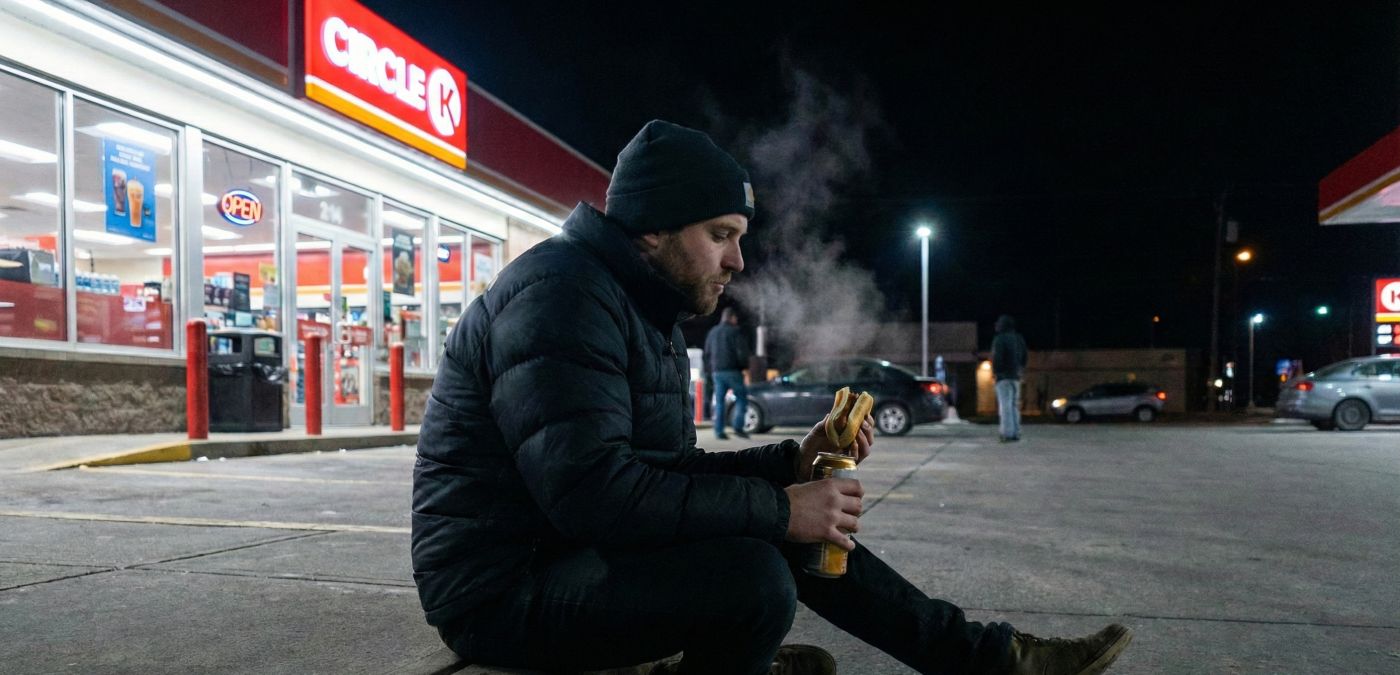
- That gas station hot dog at 2am (though even those are usually fine)
Actual food poisoning from Estonian restaurants? Extremely rare.
Pharmacies (apteek) are everywhere and well-stocked. Pharmacists speak English.
My Actual Experience
Spent several months in Estonia. Never got sick once from food.
The food is hearty, heavy, and safe. Your bigger challenge is the cold weather and short winter days, not food safety.
The most "adventurous" I got was homemade pickles and smoked fish from someone's grandmother. All perfectly safe.
Vegan/Vegetarian Note
Estonia is meat and dairy heavy. Vegan options exist in Tallinn (especially Telliskivi area) but are limited elsewhere.
If you're vegan in Estonia, you'll be eating a lot of bread, potatoes, and imported foods.
Vegetarian is easier - lots of dairy, eggs, and vegetable soups.
Either way, food safety isn't the concern. Availability is.
Digital Nomad Practical
Restaurants: Safe everywhere. Even cheap cafeterias are fine.
Grocery stores: European standard. Everything labeled, refrigerated properly, safe.
Meal prep: Easy. Good kitchens, reliable groceries, no food safety concerns.
Eating out: Affordable outside Old Town. €8-12 for lunch in normal restaurants.
Water: Tap is fine. Don't waste money on bottled.
Bottom Line
Estonia is probably the most boring country for a food safety article because there's almost nothing to warn about.
It's cold, clean, regulated, and safe. EU standards, Nordic culture, strong infrastructure.
You're not getting food poisoning here unless you're eating gas station sushi (which probably still wouldn't make you sick, honestly).
Tap water? Excellent.
Street food? Doesn't really exist, too cold.
Restaurant violations? Publicly listed online.
Fresh food? Handled properly because of regulations and cold climate.
Estonian food might be heavy, beige, and dairy-filled, but it's safe.
Your biggest challenges in Estonia will be:
- The weather (cold, dark winters)
- The language (Estonian is impossible)
- Finding vegan food
- Not gaining weight from all the bread and potatoes
Not food safety. That's sorted.
Relax and eat the food. It's fine.