5Shawarma is everywhere. Meat spins on vertical rotisserie all day in heat. Safe indicators: high turnover (busy spot), meat steaming hot when cut, fresh vegetables added after, clean workspace. Shawarma places with constant lines are safe. Empty shawarma spots at dinner time? Why is it empty? That meat has been on rotisserie since morning. If kept at proper temperature and place busy, it's fine. Even 'street food' in UAE more formalized than true street vendors in Bangkok or Mexico City. Licensed, inspected, generally safe. Unlicensed food vendors rare and risky. Stick to licensed establishments.
The UAE has some of the strictest food safety regulations in the world. Dubai and Abu Dhabi are obsessed with international standards and reputation. You're probably safer eating here than in many Western countries.
The Reality Check
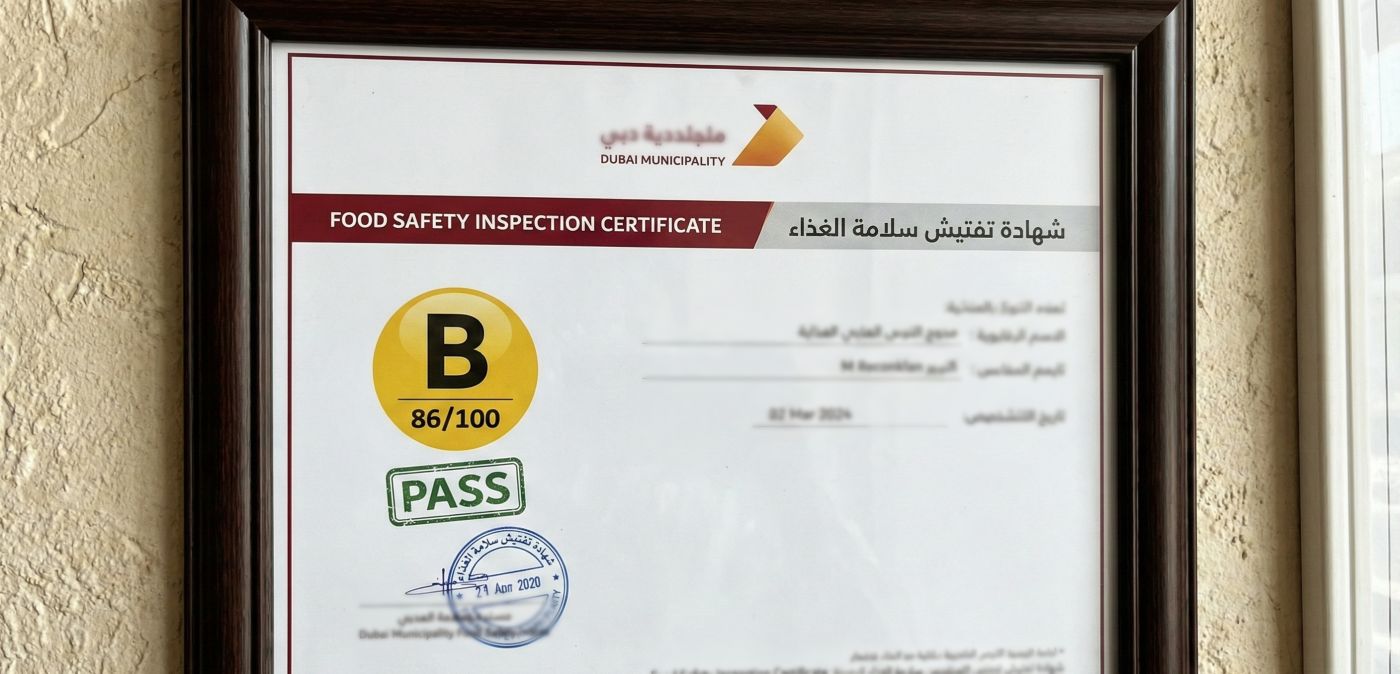
Dubai Municipality and Abu Dhabi Food Control Authority don't mess around. Violations mean fines, closures, and public shaming.
Restaurants get surprise inspections. Violations are published. The system is strict and enforced.
This isn't developing world food safety. This is Gulf state oil money poured into infrastructure and regulations.
Tap Water Situation
Technically safe to drink but...
UAE tap water is desalinated and treated to WHO standards. It's not going to make you sick.
But:
- Passes through building tanks that may not be clean
- Tastes weird (desalination taste)
- Most residents drink bottled water anyway
Locals and long-term expats mostly drink bottled water. Not because tap water is unsafe, but because it tastes off and they can afford bottled.
For cooking, tap water is fine. For drinking, your call.
Extreme Heat Reality
Summer temperatures hit 45-50°C. Food safety in this heat requires serious infrastructure.
Good news: Dubai and Abu Dhabi have the infrastructure. Refrigerated trucks, cold storage, AC everywhere.
Watch out for:
- Outdoor markets in summer (rare, most move indoors)
- Street food in heat (limited anyway)
- Anything stored or transported without refrigeration
But honestly, UAE climate control is so aggressive that outdoor heat isn't the issue you'd expect.
Restaurant Inspection System
Dubai uses a color-coded system:
- Green: Excellent
- Yellow: Good
- Red: Needs improvement
Many restaurants display their inspection rating. Check it.
Abu Dhabi has similar systems.
Violations are taken seriously. Restaurants know their rating is public and affects business.
Halal vs. Non-Halal
All meat in UAE is halal (pork excepted). Halal slaughter is regulated and inspected.
Halal restaurants: Majority of restaurants. No alcohol served. Strict cleanliness standards.
Non-halal (alcohol-licensed) restaurants: Usually in hotels. Serve pork and alcohol. Same food safety standards apply.
Both types are inspected rigorously. "Halal" doesn't mean cleaner or safer - both are regulated heavily.
Street Food Reality
UAE doesn't have extensive street food culture like Asia.
What exists:
- Food trucks (licensed, inspected, generally safe)
- Shawarma stands (usually safe, high turnover)
- Juice bars (popular, generally safe)
- Small cafeterias (inspected regularly)
Even "street food" in UAE is more formalized than true street vendors in Bangkok or Mexico City.
Unlicensed food vendors are rare and risky. Stick to licensed establishments.
Shawarma Specific
Shawarma is everywhere. The meat spins on a vertical rotisserie all day in heat.
Safe indicators:
- High turnover (busy spot)
- Meat is steaming hot when cut
- Fresh vegetables added after
- Clean workspace
- Ice used for drinks is factory ice
Shawarma places with constant lines are safe. Empty shawarma spots at dinner time? Why is it empty?
That meat has been on the rotisserie since morning. If it's kept at proper temperature and place is busy, it's fine.
Labor Camp vs. Tourist Food
UAE has economic disparity. Food in labor camps vs. Marina restaurants is different.
Tourist/expat areas (Marina, Downtown Dubai, Abu Dhabi Corniche):
- International standards
- Expensive
- Highly regulated
- Very safe
Working-class areas (Deira, Satwa, Al Ain outskirts):
- Cheaper
- Simpler
- Still regulated but different clientele
- Generally safe but use judgment
The regulations apply everywhere, but quality and standards vary by price point and area.
Ramadan Considerations
During Ramadan, restaurants are closed during daylight hours (except in hotels or designated areas).
Food safety during Ramadan:
- Iftar buffets can be hit or miss (food sitting out)
- Fresh-cooked food is safer than buffets
- High-end hotels do Ramadan well
- Cheap buffets might have food sitting too long
Ramadan isn't a food safety issue broadly, just be selective about buffets.
Imported vs. Local
Most food in UAE is imported. The supply chain is sophisticated but entirely dependent on imports.
Imported foods:
- Regulated on entry
- Storage and transport is climate-controlled
- Dates and freshness strictly monitored
Local production:
- Dates (UAE grows dates)
- Some fish from Gulf waters
- Dairy from Al Ain Farms
- Limited produce from controlled farms
All local production is regulated and inspected.
Friday Brunch Culture
Dubai's famous Friday brunches are massive buffets with unlimited food and alcohol.
Food safety at brunches:
- High-end hotels maintain standards well
- Food turnover is high (busy)
- Buffets are refilled constantly
- Temperature control is good
Budget brunches? Probably still safe but quality drops.
The bigger risk at Friday brunch is overindulgence, not food poisoning.
Mall Food Courts
Malls in UAE are massive and food courts are everywhere.
Mall food safety:
- All vendors are licensed
- Regular inspections
- Climate-controlled environment
- Generally very safe
Even the cheapest mall food court option is inspected and regulated.
Seafood Considerations
Local Gulf fish:
- Hammour, kingfish, shrimp
- Fresh daily in fish markets
- Should smell like ocean
- High standards for local catch
Imported seafood:
- Salmon, tuna, etc. from overseas
- Climate-controlled supply chain
- Generally safe
Dubai Fish Market and Abu Dhabi Fish Market are modern, clean, and regulated.
Alcohol and Food
Alcohol is only served in licensed venues (usually hotels, some restaurants with licenses, clubs).
The alcohol is expensive but safe. All imported, all regulated.
Drinking in public is illegal. Drinking in licensed venues is fine.
Drunk eating? Available. Standards remain high even for late-night food.
Indian/Pakistani/Filipino Food
Large expat communities mean authentic South Asian and Filipino food everywhere.
These restaurants are:
- Inspected like everywhere else
- Often cheaper than Western food
- Authentic and safe
- Located in working-class areas usually
Dubai's best food is often in the working-class neighborhoods where actual immigrants eat.
Grocery Shopping
Major chains:
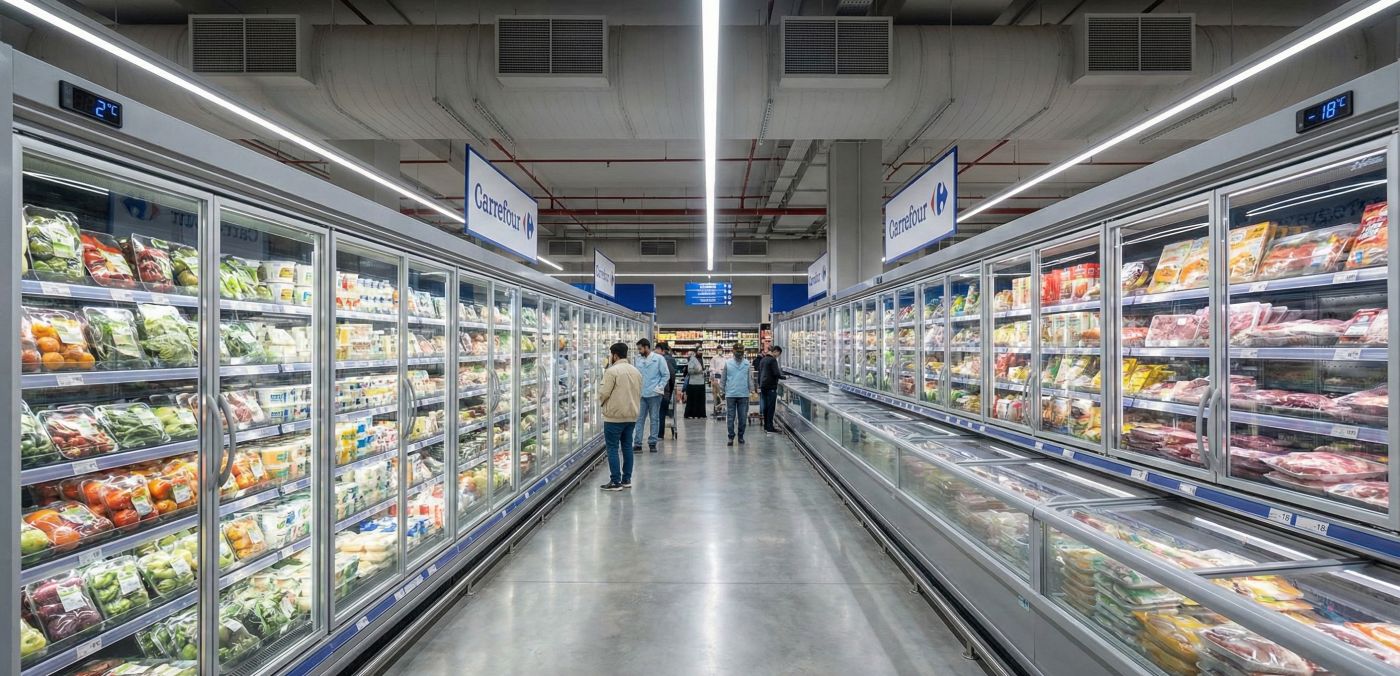
- Carrefour: European standard
- Lulu: Regional chain, huge, safe
- Spinneys: Higher-end, expat-friendly
- Waitrose: British import
- West Zone: Budget option
All safe. All regulated. All climate-controlled.
Produce is mostly imported. Dates are local and fresh.
Food Delivery Apps
Talabat, Deliveroo, Zomato - all popular and safe.
Restaurants on these apps are licensed. Delivery bikes are everywhere.
Food safety during delivery depends on:
- Distance traveled
- Heat during transport
- Restaurant packaging
Generally reliable but use judgment on what travels well in 45°C heat.
Things That Seem Wrong But Aren't
Dates sitting out unrefrigerated: Dates are low-moisture, high-sugar. They don't need refrigeration.
Meat at room temperature in shop displays: Usually just arrived from refrigerated storage and is being processed immediately.
Milk in boxes (UHT): Shelf-stable milk is standard. Different from US but safe.
Things That Actually Matter
Building water tanks: If you're in an old building, building water tanks might not be cleaned regularly. This affects tap water quality.
Summer heat affecting transport: If food isn't properly refrigerated during transport in summer, it can spoil fast.
Buffets with slow turnover: Food sitting out too long, even with heat lamps.
Unlicensed food vendors: Rare but exist. Stick to licensed places.
Regional Differences
Dubai: International, diverse, heavily regulated, tourist-focused. Very safe.
Abu Dhabi: Capital, similar to Dubai but slightly more conservative. Very safe.
Sharjah: More conservative, no alcohol. Still safe for food.
Ajman, RAK, Fujairah: Smaller emirates, less international. Still regulated but fewer options.
Al Ain: Inland city, more traditional. Safe but different vibe.
Food safety standards apply across all emirates.
My Actual Experience
Lived in Dubai for a year. Never got food poisoning once.
Ate shawarma constantly, tried every cuisine, ate in working-class restaurants and high-end spots. All safe.
The strictest food safety I've encountered globally. The regulations are real and enforced.
My only issue was overeating at Friday brunches. Self-inflicted.
When Things Go Wrong
If you get food poisoning in UAE, you can:
- Report to Dubai Municipality or ADFCA
- Restaurants take complaints seriously
- Healthcare system is good (expensive without insurance)
- Pharmacies everywhere for OTC meds
But again, food poisoning is rare here.
Alcohol Licensing Reminder
Only licensed venues serve alcohol. Drinking outside those venues is illegal.
This means most cheap restaurants don't serve alcohol. The food is still safe.
If you want alcohol with dinner, go to a hotel restaurant or licensed venue.
Bottom Line
UAE food safety is excellent. Possibly the safest in the Middle East, maybe globally.
Strict regulations, regular inspections, public accountability, modern infrastructure, climate control everywhere.
Tap water? Technically safe but tastes weird. Most people drink bottled.
Street food? Limited but what exists is licensed and inspected.
Restaurants? All inspected, ratings are public, violations are taken seriously.
Shawarma? Safe at busy spots with high turnover.
Buffets? High-end hotels do them well, budget buffets can be questionable.
Summer heat? Not an issue because everything is climate-controlled.
Your bigger challenges in UAE:
- Cost (everything is expensive)
- Alcohol is only in licensed venues
- Conservative culture in public spaces
- Heat if you're outside
Not food safety. That's handled.
The UAE spent oil money on infrastructure and regulations. Food safety is one area where it shows.
Relax and eat. It's safe.