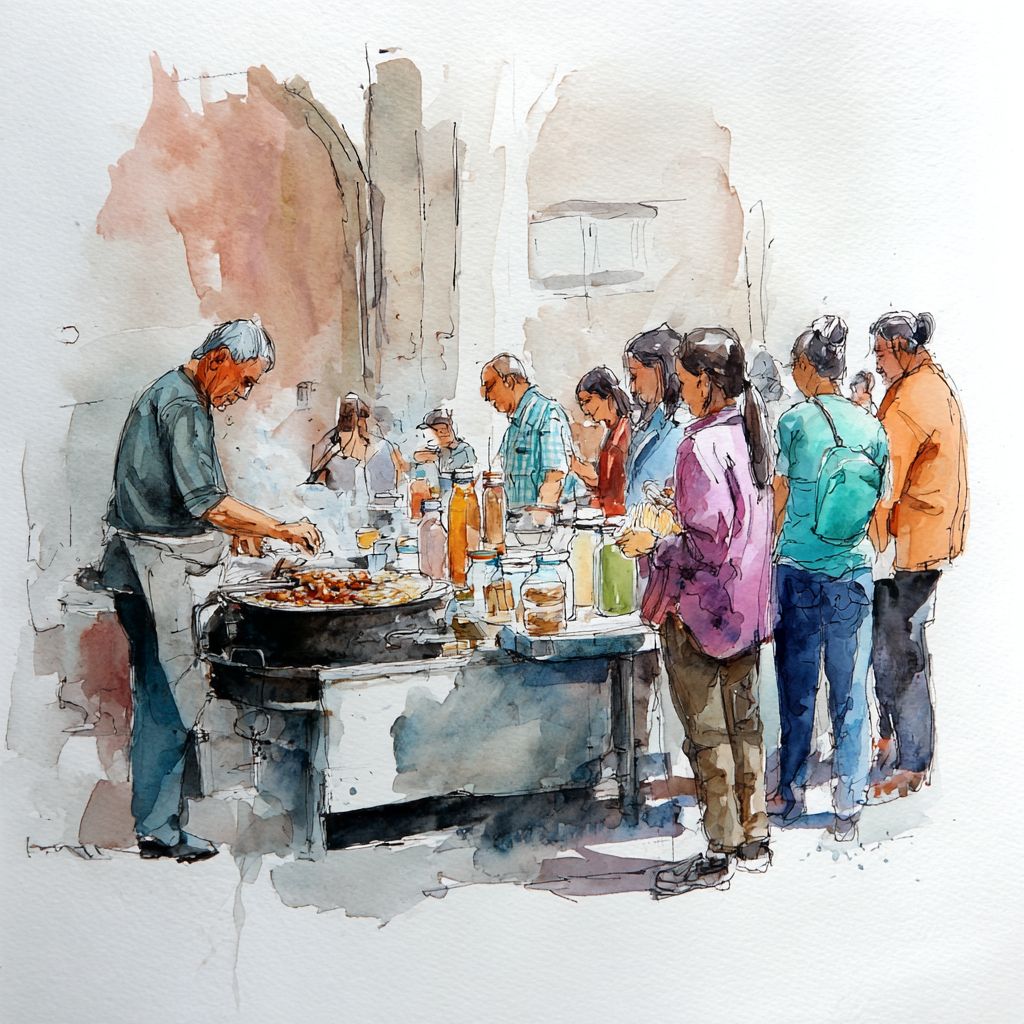
Montezuma's Revenge is real but it's not what you think. Most people getting sick in Mexico aren't victims of street tacos - they're making basic mistakes that locals never would.
The Water Situation
Don't drink tap water. Not in Mexico City, not in Guadalajara, not anywhere. This isn't controversial or debatable. Bottled water only.
But here's what trips people up:
Ice cubes: Made with tap water. If you're at a fancy restaurant or international chain, their ice is probably filtered. That taco stand? Tap water ice.
Washed vegetables: Your salad was rinsed in tap water. Raw vegetables at street stands are the number one way tourists get sick.
Ceviche: The lime "cooks" the fish but if it was rinsed in tap water first, you're drinking that water.
Your toothbrush: Some people are so careful about not drinking tap water then brush their teeth with it. Use bottled water.
That smoothie: If they added water to blend it, where did that water come from?
Street Food Reality
Street food in Mexico is generally safe IF you know what to look for. Locals eat it every day without issues.
What's actually safe:
- Tacos from a busy stand with high turnover
- Anything cooked in front of you at high heat
- Elotes and esquites (grilled or boiled corn)
- Tamales steaming in a pot
- Quesadillas made on a hot comal
- Churros fried fresh
What gets tourists sick:
- Salsa that's been sitting out all day in the sun
- Raw vegetables (lettuce, tomatoes, cilantro) washed in tap water
- Ceviche from a cart with no refrigeration
- Aguas frescas made with tap water
- Pre-cut fruit washed in tap water
The trick: Watch where locals are eating. Long line at lunch? That food is fresh and turning over constantly. Empty stand at 4pm serving food from the morning rush? Pass.
Regional Differences
Mexico City: High altitude (2,250 meters), cooler temperatures, huge expat community. Street food scene is massive and generally safe if you follow the rules. Tap water is definitely not drinkable.
Guadalajara: Similar to CDMX. Big city, lots of street food, same water rules apply.
Oaxaca: Hot, smaller city. Street food is incredible but be more selective. Markets can be hit or miss. Stick to busy stalls.
Playa del Carmen/Tulum: Tourist areas have adapted to foreign stomachs. Restaurants use filtered water and ice. But you pay tourist prices. Venture outside tourist zones and standard Mexico rules apply.
Puerto Vallarta/Cancún: Resort areas - most restaurants cater to tourists with filtered water systems. The all-inclusive resorts are generally safe. Street vendors outside tourist zones? Standard precautions.
San Miguel de Allende: Huge expat community, restaurants know to use filtered water. Easier for newbies.
Smaller towns/pueblos: Varies wildly. Ask locals or other expats which places are safe. Water quality can be terrible.
What Actually Makes People Sick
It's almost always:
- Tap water (directly or in ice/vegetables)
- Raw produce washed in tap water
- Food sitting out too long in heat
- Seafood in places far from the coast
- Undercooked pork or chicken
It's rarely the tortillas, the meat, or the spices. Stop blaming the spice level for your stomach issues.
The Salsa Problem
That salsa on the table at the taco stand has been sitting there since they opened. In the sun. For hours. The red one, the green one, the pico de gallo - all of it.
Locals are used to the bacteria that develops. You're not.
Some places make fresh salsa throughout the day. Most don't. If the salsa is room temperature and it's 3pm, that salsa has been out since 10am.
Your call.
Market Food Courts
Mercados have food stalls serving comida corrida (set menu lunches). These can be amazing or terrible.
Good signs:
- Packed with locals at lunch
- Food being actively cooked
- Visible cleanliness (relatively - we're not talking hospital standards)
- They're cooking your order fresh
Bad signs:
- Empty at meal times
- Trays of food sitting out covered in flies
- Nobody else eating there
- Strong smell of spoiled food
- Dirty surfaces and floors
Seafood Rules
Coast: Fresh seafood is great. Look for places locals go to. Fish should smell like ocean, not fishy.
Inland: Mexico City is nowhere near the ocean. That "fresh" fish traveled a long way. Cooked thoroughly is safer than ceviches.
Ceviche: Only eat ceviche in places with visible refrigeration and high turnover. That cart on the street corner? Your funeral.
Restaurant Reality Check
Expensive restaurants: Usually use filtered water systems, sourced ingredients carefully, have refrigeration. You're generally safe.
Mid-range places: Hit or miss. Tourist-friendly areas typically use filtered water. Ask if they use agua purificada.
Cheap fondas: Traditional, cheap, local spots. Food can be great but they're using tap water. Your stomach needs to be adapted.
American chains: Filtered water, standardized food safety. Boring but safe if you're desperate.
What Mexicans Do Differently
They grew up drinking the local water as kids (before everyone switched to bottled). Their gut microbiome is adapted to local bacteria that yours absolutely is not.
When Mexicans travel to other parts of Mexico, they can also get sick from different regional water/bacteria. It's not just foreigners.
Don't compare your gringo stomach to locals. It's not a fair comparison.
City-Specific Notes
Mexico City: The street food is incredible. Start with established places recommended by expats, then branch out. Markets like Mercado Roma are tourist-friendly. Traditional markets are more adventurous.
Oaxaca: Food capital of Mexico but also hot and smaller infrastructure. Be selective. Tlayudas, moles, mezcal - worth the risk, but choose busy places.
Puebla: Famous for mole and cemitas. Generally good food safety in the center. Markets need standard precautions.
Monterrey: Hot, northern city. Food is meat-heavy. Water situation same as everywhere.
The Pharmacy Is Your Friend
Every corner has a farmacia. Imodium, Pepto Bismol, electrolyte solutions - all available without prescription and cheap.
Locals use these regularly. It's not admitting defeat, it's being practical.
Time of Day Matters
Morning (8-11am): Everything is fresh. Safest time for street food.
Lunch (1-3pm): Peak hours, high turnover, food is still being made. Generally safe.
Evening (6-9pm): Dinner crowd. Safe if place is busy.
Late (after 9pm): Depends on the stand. Late-night taco stands near bars are making food fresh for drunk people. Those can be fine. But that fruit cart from the morning? Hard pass.
Things Americans Worry About That Don't Matter
- The spice level (your stomach can handle spice)
- The plastic chairs and basic setup (appearance doesn't equal safety)
- Eating with your hands (everyone does)
- The tortillas (they're cooked at high heat, they're fine)
Things Americans Don't Worry About But Should
- Ice in their drink at a street stand
- That beautiful colorful salad
- Agua de jamaica made with tap water
- Washing their hands before eating street food (use hand sanitizer)
- The agua fresca that tastes so good but was definitely made with tap water
My Actual Experience
Got sick once in six months in Mexico. It was from a salad at a "nice" restaurant. The irony.
Ate street tacos probably 200 times without issue. The busy taco stands with high turnover never made me sick.
Oaxaca gave me issues twice - once from agua de horchata (they added water), once from pre-cut mango from a cart (washed in tap water, I knew better and did it anyway).
Timeline for Adaptation
Week 1: Your stomach is delicate. Stick to cooked food, bottled water, careful restaurants.
Month 1: Starting to handle more. Can probably do street tacos from busy stands.
Month 3: Your gut microbiome is adapting. Still don't drink tap water, but you're less fragile.
Month 6+: Can eat almost anywhere locals eat. Still avoid tap water obviously.
Bottom Line
Mexico isn't dangerous for food. It requires understanding that the water infrastructure is different and adjusting accordingly.
Street food from busy stands with high turnover? Generally safe.
Tap water in any form? Never safe.
Raw vegetables washed in tap water? That's what's actually getting you sick.
The tacos aren't the problem. The agua fresca they came with is.
Locals aren't superhuman. They're just adapted to bacteria you haven't encountered yet. Give yourself time, follow basic rules, and you'll be fine.
And for the love of God, stop brushing your teeth with tap water.