Everyone packs for Spanish sunshine. Nobody packs for the reality: apartments with no insulation, Mediterranean humidity that destroys electronics, and Barcelona pickpockets who can spot a Patagonia backpack from three blocks away.
The Apartment Reality Nobody Mentions
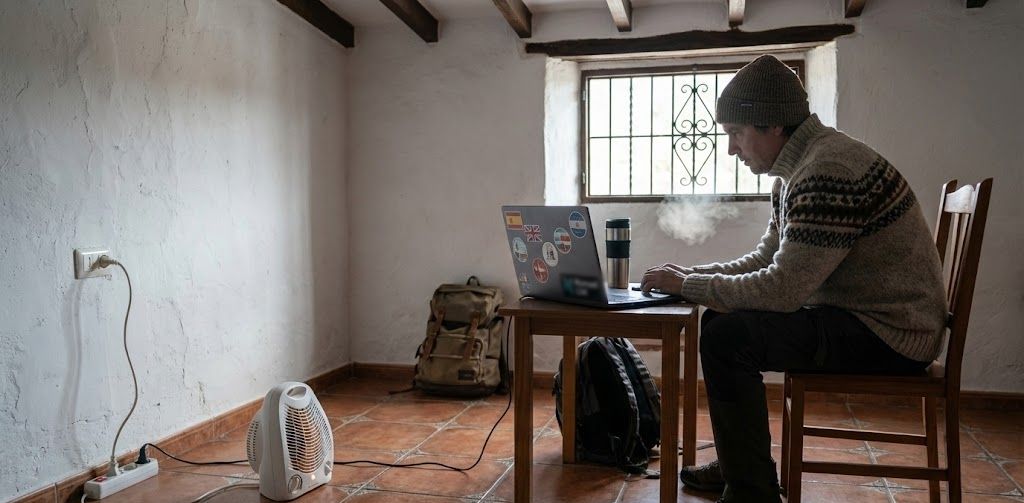
Spanish apartments are designed for locals who own things like space heaters, dehumidifiers, and proper blankets. Your Airbnb won't have these. Your landlord will shrug when you mention the cold. "It's not that cold," they'll say while wearing three sweaters indoors.
Mike brought his ultralight sleeping bag rated for 10°C. Perfect for hostels, right? His Barcelona apartment in January hits 8°C at night. The sleeping bag becomes his blanket. He buys a Chinese space heater from a bazaar for €25 that trips the breaker every third day.
The gear that actually works: That ugly €40 heated blanket from El Corte Inglés. Not portable, not packable, not Instagram-worthy. But it's the difference between working from bed all winter and actually being productive.
Electronics vs Mediterranean Humidity
Your MacBook will develop keyboard issues. Not immediately. Month three, keys start sticking. Month six, the spacebar needs violence to register. The Mediterranean humidity gets into everything, especially in coastal cities.
Sarah's laptop survived two years in Southeast Asia. Died in Valencia after eight months. The repair guy showed her the corrosion inside. "The sea air," he said, like this explained everything.
What actually helps:
- Silica gel packets everywhere (Chinese bazaar, €3 for 50)
- Actually closing your laptop when not using it
- Those €2 keyboard covers everyone mocks until their spacebar stops working
- Living more than 2km from the beach
The fancy laptop stands and cooling pads don't help. The €200 dehumidifier might, but then you're traveling with a dehumidifier.
The Pickpocket Arms Race
Barcelona pickpockets are professionals. They spot tourist gear instantly. Your Peak Design camera strap screams "expensive equipment inside." Your Patagonia backpack says "MacBook and passport in the laptop compartment."
What locals actually use:
- Crossbody bags worn in front (ugly but effective)
- Decoy wallets with expired cards and small bills
- Phone cases with wrist straps (dorky but your phone stays)
- Generic local backpacks from Decathlon (€15, invisible to thieves)
Tom had his backpack slashed on the Metro. Didn't feel it. The thief got his dirty laundry and a broken umbrella because Tom learned to keep valuables in a €5 fanny pack under his shirt. Fashion death, theft prevention life.
Spanish Power Outlets Will Hurt You
The outlets are recessed. Your universal adapter won't fit. It'll fall out constantly or need to be propped up with books. This isn't a minor annoyance when you're trying to work.
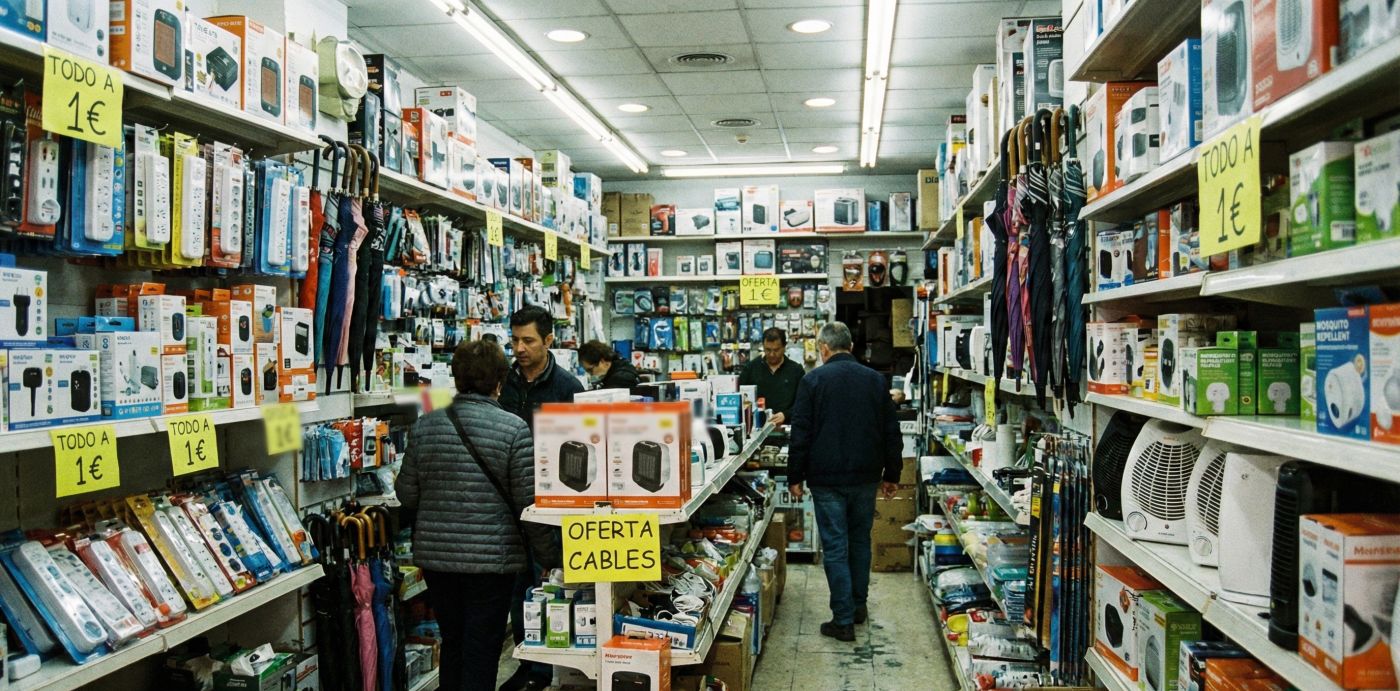
Buy the €3 Spanish-specific adapter from any Chinese bazaar. Buy three. They break, but they actually fit the outlets. Your fancy €45 universal adapter becomes decoration.
Also: Spanish apartments have approximately three outlets total. All in weird places. Behind furniture. At knee height. Never where you need them. The €8 power strip from the Chinese bazaar becomes essential equipment.
Laundry Destroys Everything
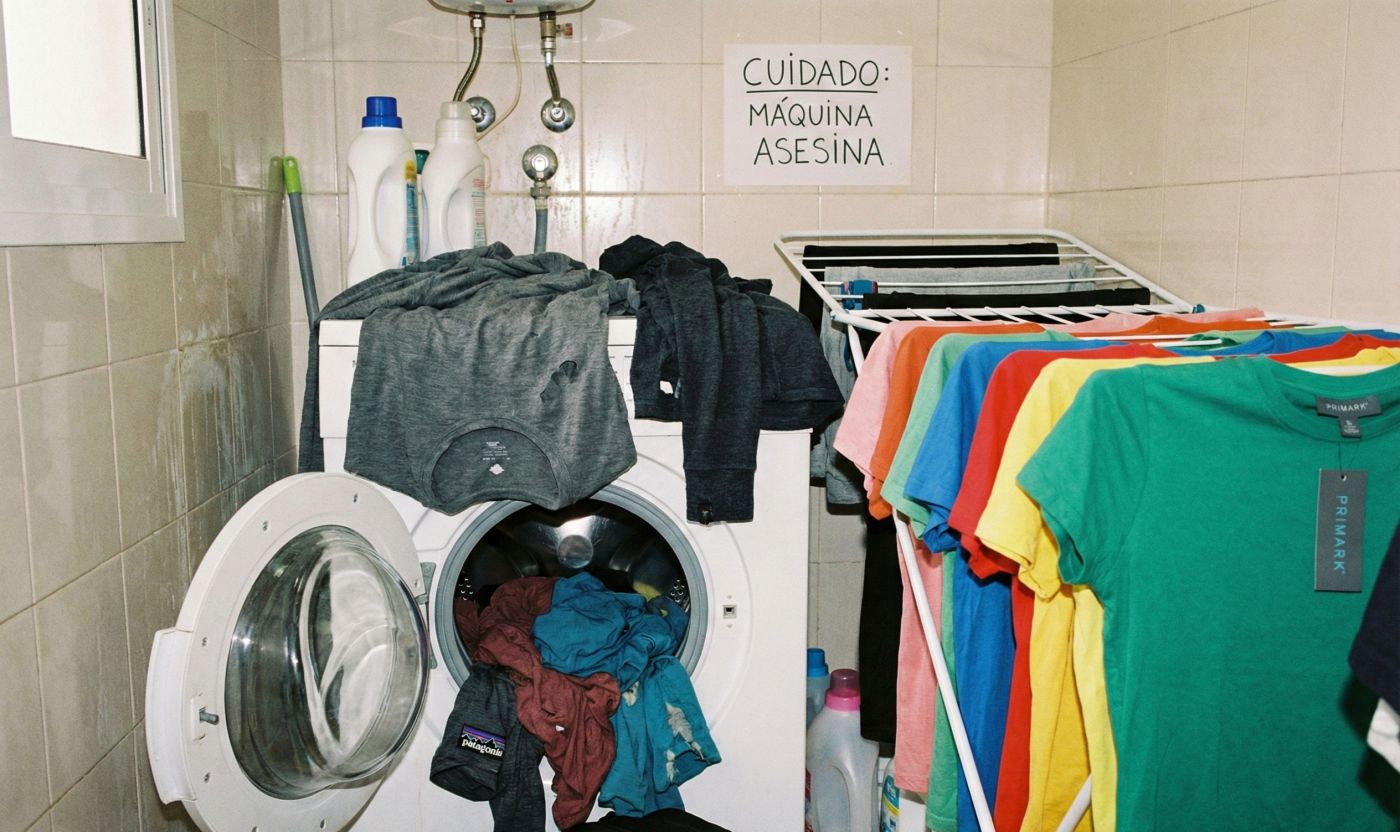
Spanish washing machines are violent. They're also tiny. Your merino wool everything will pill, shrink, or develop mysterious holes.
Lisa brought five merino shirts. Two survived six months. The Spanish washing machine turned the others into abstract art. The €4 cotton shirts from Primark? Perfect condition.
Hand-washing in the sink with Spanish water (incredibly hard in most cities) also destroys technical fabrics. That travel detergent you brought doesn't work with mineral-heavy water. Use the €1 bar soap from Mercadona. It's designed for this water.
The Siesta Storage Problem
Everything closes from 2-5pm. Sometimes 2-6pm. Sometimes randomly all afternoon. You can't drop your bag at the coworking space and grab lunch. You're carrying everything, always.
The solution isn't better bags. It's accepting you're furniture for your possessions four hours daily. Or finding the one café that stays open during siesta and becoming furniture there.
Rain Gear for Horizontal Rain
Barcelona rain comes sideways. Madrid rain is sudden and violent. Valencia rain floods streets in minutes. Your ultralight rain jacket is decorative.
What actually works:
- Those €10 umbrellas from Chinese bazaars that flip inside-out but don't break
- The €30 rain boots from any Spanish shoe store
- Accepting you'll get wet and having a change of clothes
The technical rain gear designed for hiking doesn't work for cities where rain bounces off pavement directly into your face.
Coffee Shop Reality Check
Spanish cafés don't have WiFi. Or they do but it's 2Mbps. Or they have good WiFi but no outlets. Or outlets but they're turned off. Your portable battery becomes religion.
The Anker 20000mAh everyone recommends? Not enough. You need the 26800mAh brick that makes your bag 2kg heavier but gets you through a Spanish workday of outlet hunting.
Also: Spanish cafés hate laptops. You'll be asked to leave after one coffee. The digital nomad friendly places are either coworking spaces (€20/day) or Starbucks (soul-crushing but functional).
The Mosquito Wars
Spanish mosquitos are special. They're silent, they're small, and they bite through clothing. Your tropical mosquito net is useless because Spanish windows don't accommodate hanging anything.
What works:
- The plug-in repellent from any Spanish pharmacy (€8)
- Accepting defeat and buying antihistamine cream (€3)
- Those sticky window screens from Chinese bazaars (€5, hideous, effective)
The ultrasonic repellents don't work. The citronella candles don't work. The only thing that works is chemicals or physical barriers.
Summer Gear Fails
Spanish summer isn't Southeast Asian humid or Middle Eastern dry. It's its own beast. Your moisture-wicking everything stops wicking. Your quick-dry doesn't dry. You're damp constantly.
What actually works:
- Linen everything from Spanish stores (€20 shirts that actually breathe)
- Multiple changes of regular cotton clothes
- Accepting you'll shower three times daily
- Those handheld fans Spanish women carry (€5, battery-powered, lifesaving)
Your technical fabric collection becomes unwearable June through September.
The Shoe Situation
Your ultralight travel shoes will die on Spanish streets. The cobblestones are weapon-grade. The marble sidewalks become ice rinks when wet. Your minimalist barefoot shoes offer zero protection from medieval architecture.
Spanish people wear:
- Proper leather shoes (€60-80 from any Spanish shoe store)
- Actually supportive sandals (not flip-flops)
- Boots in winter (real ones, not fashion ones)
After destroying three pairs of "travel shoes" in four months, buying Spanish shoes becomes economically sensible.
What Actually Survives Spain
The gear that lasts isn't designed for travel, it's designed for Spain:
- Heavy blankets from Spanish department stores
- Chinese bazaar electronics accessories
- Spanish pharmacy anything
- Local clothes from Zara/Mango/Primark
- Proper Spanish shoes
- Multiple power strips and adapters
- Resignation about your technical gear dying
The minimalist packing lists assume you're passing through. Living in Spain requires accepting that your technical travel gear will fail and replacing it with ugly, local, functional alternatives.
My Outlier pants with "lifetime warranty"? Destroyed by one Valencia washing machine. The €12 Primark jeans? Still perfect after eight months.
Spain doesn't care about your gear optimization. It has its own rules. You either adapt and buy local, or you keep replacing expensive technical gear that wasn't designed for Mediterranean reality.
The Chinese bazaar becomes your lifeline. Not Instagram-worthy. Not sustainable. But when your universal adapter fails at 10pm and you have a deadline, that €3 Spanish-specific adapter from the bazaar that stays open until midnight saves you.
That's Spain. Your gear fails, you adapt, you survive on Chinese bazaar solutions and Spanish pharmacy remedies. Eventually you're wearing Zara, carrying a Decathlon backpack, and you've accepted that looking like a local is better than optimizing like a nomad.