Last updated: October 2025 | ~10 minute read
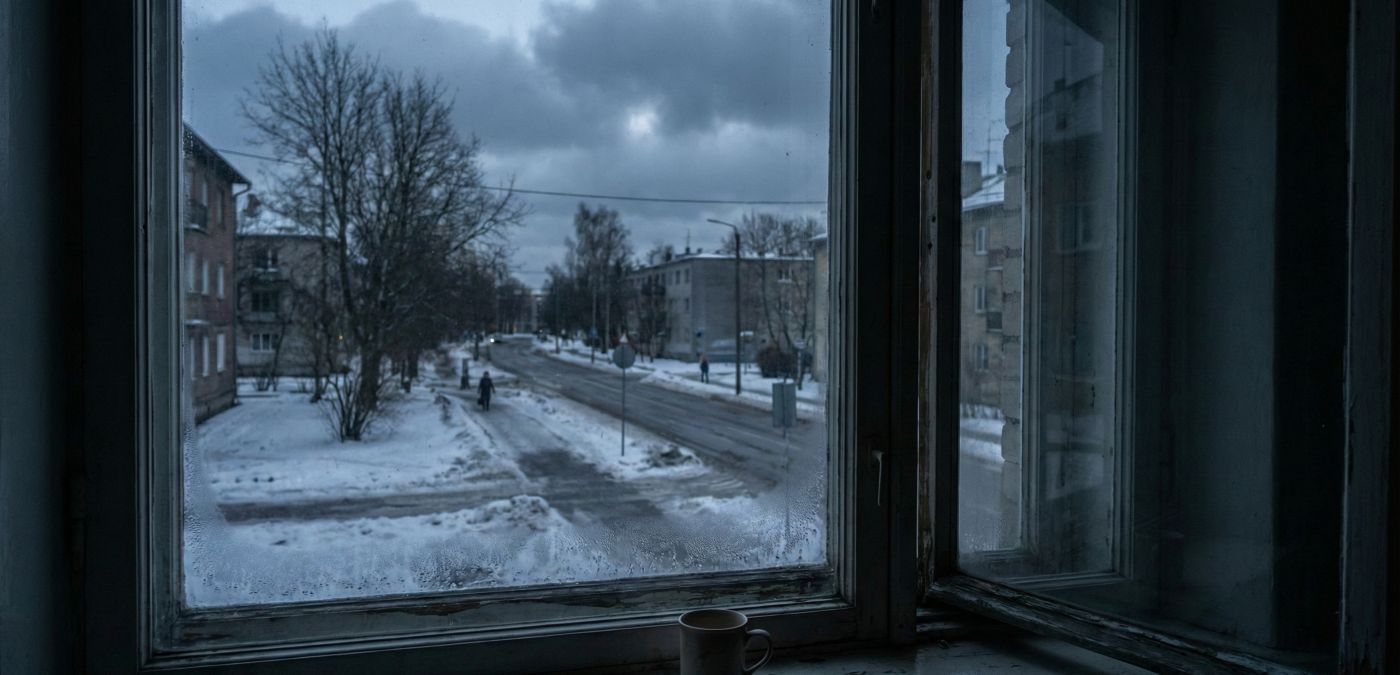
December 3rd, 7:30am. I wake up. Dark outside.
Work all morning. Still dark outside.
Lunch break, 1pm. Gray light, maybe, through thick clouds. It's been drizzling since Tuesday. Tuesday was four days ago.
4pm. Dark again. Actually dark, not gray. Fully dark.
I realize I haven't seen the sun in eleven days.
This is Tallinn November through March. And nobody warned me properly.
Every article about Estonia is like: "Digital nomad paradise! E-residency! Startup culture! Medieval old town! Nordic living!" Cool. True. But they bury the lede: You will be cold and in darkness for five months and it will affect your mental health.
I came to Tallinn from Koh Samui. Yes, that was stupid. Going from tropical island to Baltic winter is psychological whiplash. But even if I'd come from Valencia or Lisbon, the darkness would've hit hard.
Here's what nine months in Tallinn taught me: Estonia is genuinely interesting, genuinely forward-thinking, genuinely has something unique to offer remote workers. But it costs you. The price is winter. And not cute Christmas-market winter. Brutal, dark, soul-crushing Baltic winter.
What Tallinn actually means:
- Budget: €1,800-2,400/month (€1,300-1,700 in summer, €2,000-2,800 in winter because HEATING)
- Summer (May-August): 18-25°C, light until 11pm, everyone's outside, euphoric
- Winter (November-March): -5 to +2°C, dark by 4pm, everyone's inside, depressed
- Population: 450,000 (tiny compared to real cities)
- The "digital nomad hub" is about 50-100 people maximum
- You will spend more on heating than you ever thought possible
- Spring/Fall barely exist, it's summer then suddenly winter
Let Me Tell You About The Darkness
Not metaphorical darkness. Literal absence of sunlight.
Summer solstice (June 21): Sunrise 4:04am. Sunset 10:40pm. 18.5 hours of daylight. The sun barely sets. "White nights." You eat dinner at 9pm in full daylight. It's surreal and magical.
Winter solstice (December 21): Sunrise 9:10am. Sunset 3:37pm. 6.5 hours of daylight. And that's THEORETICAL daylight. Actual sunshine? Maybe 0-2 hours because clouds.
That's a 12-hour swing in daylight depending on season.
What this actually means:
November-January: You wake up in darkness. You work. Around 9am it gets lighter (gray, not sunny). Around 3:30pm it starts getting dark again. By 4:30pm, fully dark.
If you work normal office hours (9am-6pm), you basically never see daylight. You go to work in darkness, you work in artificial light, you leave in darkness.
The psychological impact:
Week 1-2: "This is fine, I knew it would be dark."
Week 3-4: Feeling tired all the time. Hard to wake up. Need more coffee.
Week 6-8: Actually depressed. Not sad, not moody—clinically depressed. Low energy, no motivation, everything feels pointless.
Week 10+: Either you've adapted (vitamin D supplements, light therapy lamp, acceptance) or you've bought a flight to somewhere sunny.
What actually helped:
Vitamin D: 4,000 IU daily. Non-negotiable. Every Estonian takes it. Your doctor will tell you to take it. Take it.
Light therapy lamp: 10,000 lux, 30 minutes every morning. Helps. Doesn't cure, but helps.
Exercise: Force yourself. The darkness makes you want to hibernate. Don't. Gym, walk, sauna, anything.
Social contact: Even when you don't want to. Isolation + darkness = death spiral.
Short trips south: January, I flew to Lisbon for 10 days. Saw sun. Remembered sun exists. Came back functional again.
What didn't help:
"Just go outside more!" Cool, it's -7°C, dark, and sleeting. Going outside makes it worse.
"Embrace hygge!" That's Danish/Norwegian marketing. Estonia is post-Soviet Baltic state. There is no hygge here. There is surviving winter.
"It's not that bad!" Yes it fucking is.
The adaptation:
By month three of winter, I'd adapted somewhat. Not happy, but functional. Accepted that November-February is survival mode. Work, gym, sauna, sleep, repeat. Wait for spring.
When March came and daylight started returning (sunset moved from 5pm to 6pm to 7pm), my mood lifted dramatically. By April, I felt human again.
The question: Is Tallinn worth five months of darkness?
Some days yes. Most days during winter: unclear.
The E-Residency Thing Is Overrated But The Digital Nomad Visa Is Real
Everyone's heard about Estonian e-residency. It sounds amazing: "Become an e-resident of Estonia! Run your business from anywhere!"
Reality check:
E-residency is NOT:
- A visa (you still need visa to actually be in Estonia)
- A path to citizenship
- A tax residency
E-residency IS:
- A digital identity that lets you sign documents remotely
- Ability to start an Estonian company remotely
- Access to Estonian banking/business services
Who it's useful for:
- EU citizens who want to set up Estonian company (tax advantages)
- People running EU-based businesses remotely
- Very specific business structures
Who it's not useful for:
- Most digital nomads
- Anyone just wanting to visit Estonia
- Anyone thinking it gets you visa/residency
I got e-residency. Cost €100. Sounded cool. Used it once to sign a document. Mostly it sits in my drawer.
The Digital Nomad Visa (actually useful):
Estonia launched this in 2020. One of the first countries to do so.
Requirements:
- Work remotely for company/clients outside Estonia
- Earn €3,504/month minimum (gross)
- Have health insurance
- Application fee €80, visa fee €100
What it gives you:
- Up to 1 year in Estonia
- Can work remotely legally
- Can travel Schengen zone
- Renewable
Application process:
Applied online. Provided:
- Employment contract (I freelance so showed client contracts)
- Bank statements (proving income)
- Health insurance proof
- Background check
Took 3 weeks. Approved. Got visa sticker in passport at Estonian embassy.
Is it worth it?
If you want to spend 6-12 months in Estonia/Baltics, yes. It's one of the easier digital nomad visas.
If you just want to visit 2-3 months, tourist visa is fine (90 days Schengen).
I got it because I was committing to 9+ months, wanted legal status, and it opens up Estonia as base for exploring Baltics/Nordics.
The actual benefit of being in Estonia:
Not the e-residency hype. It's:
- Fast internet everywhere (100+ mbps everywhere, even cafés)
- Everything digital (government, banking, taxes all online)
- Startup culture (small but real)
- Access to Nordic region (Finland 2-hour ferry, Sweden, Denmark nearby)
- English widely spoken
- Functioning society (things work, bureaucracy is minimal)
These things are real and valuable. The e-residency marketing is overblown.
Where You Actually Live (Tallinn Is Tiny, Choices Are Limited)
Tallinn population: 450,000. The entire metropolitan area is small. Unlike Bangkok or CDMX with dozens of neighborhoods, Tallinn has maybe 5-6 areas that matter.
Old Town (€800-1,500 for 1BR):
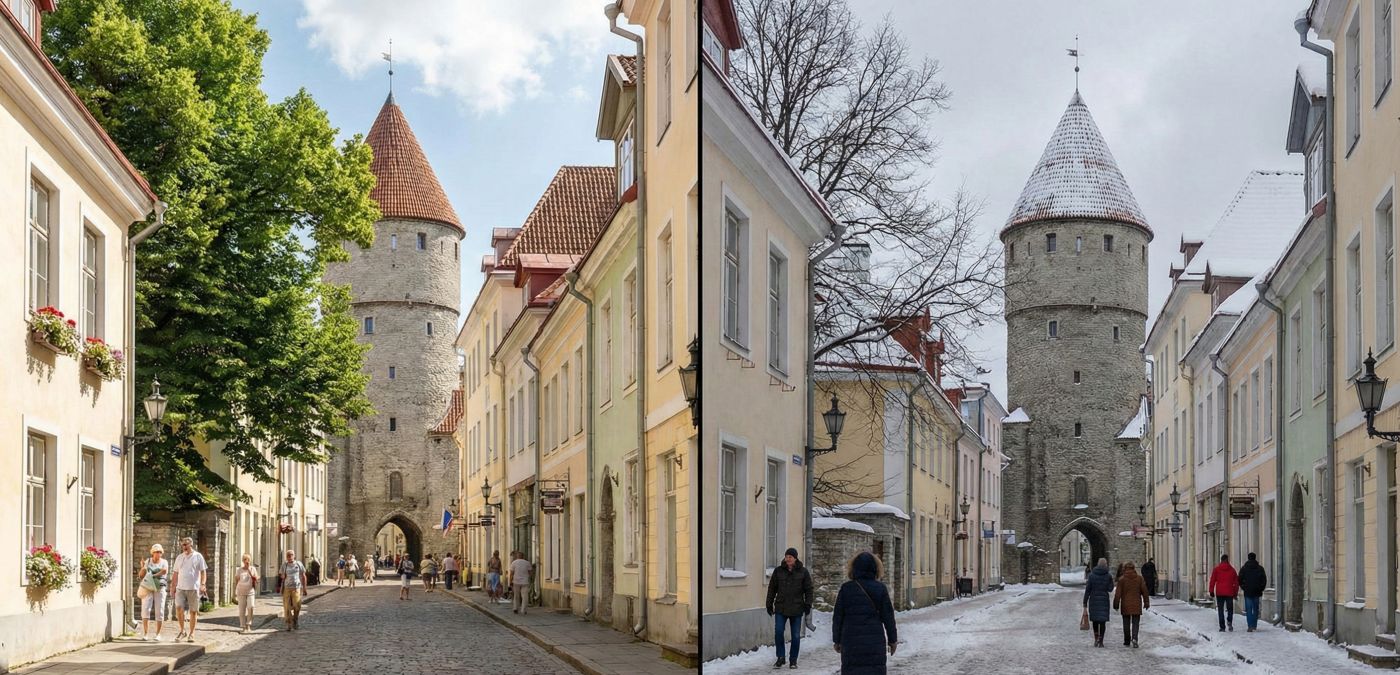
The medieval center. Cobblestone streets, 700-year-old buildings, beautiful, UNESCO World Heritage, touristy.
I lived here two months. Beautiful, yes. Practical? No.
Problems:
- LOUD in summer (tourists, bars, events)
- Cold as fuck in winter (old buildings, bad insulation, drafty)
- Expensive for what you get
- Small apartments in old buildings
- Everything is uphill (Old Town is on a hill, climbing cobblestones in ice is hell)
Tourists love Old Town. Living there sucks.
Tallinn City Centre/Kesklinn (€600-1,200 for 1BR):
Just outside Old Town. Soviet-era buildings mixed with modern construction. Where actual Tallinners live.
This is where I moved after Old Town. €750/month for 45m² apartment, decent heating, modern plumbing, 10-minute walk to everything.
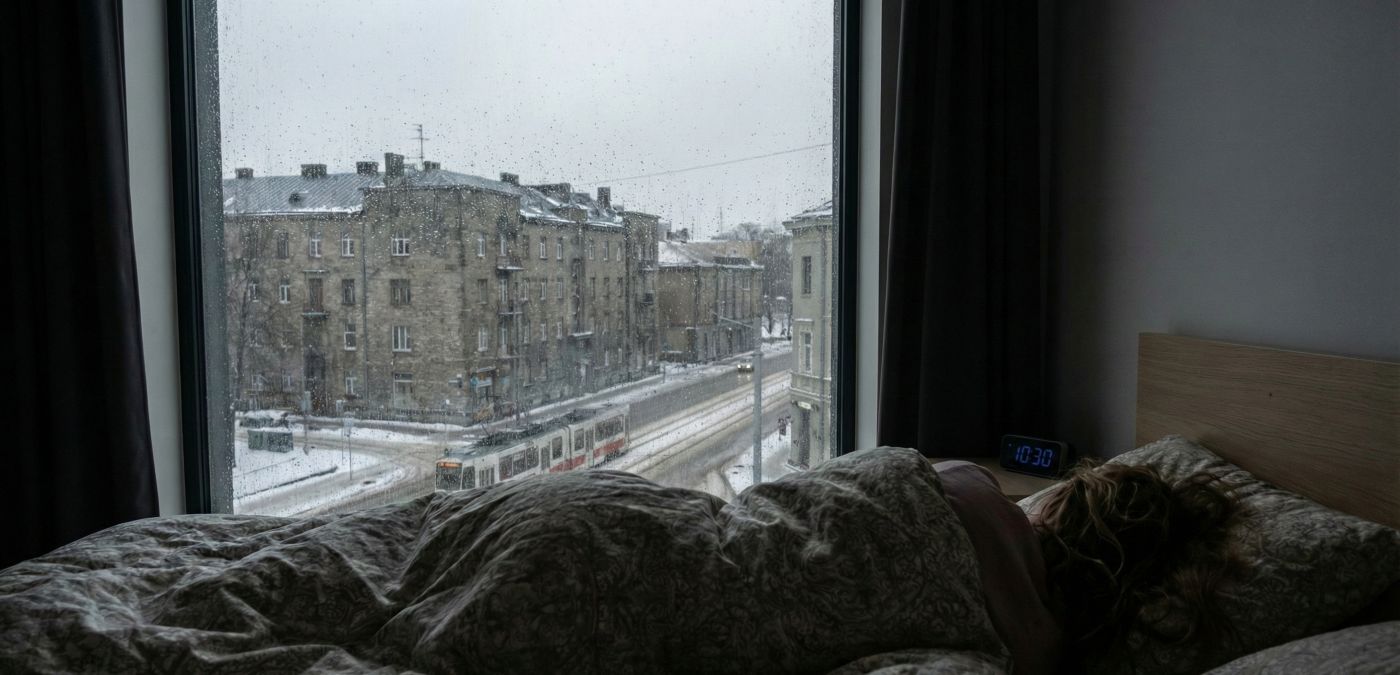
Much better. Less romantic, more functional. Buildings are ugly (Soviet concrete blocks) but interiors are renovated and apartments work.
Pros: Central, affordable, practical, good transport, real neighborhood Cons: Soviet aesthetic, not pretty, some buildings are rough
Most long-term expats/nomads live here.
Kalamaja (€700-1,300 for 1BR):
North of center. Hip neighborhood. Wooden houses (old fisherman area), cafés, creative scene, artists, young Estonians.
This is Tallinn's "cool" neighborhood. Telliskivi Creative City (converted factory, now shops/restaurants/coworking) is here.
Pros: Interesting, cultural, good food, artistic vibe Cons: Can be cold (old wooden buildings), hipster prices, further from center
If you want to be in the "scene," live here.
Kristiine (€500-900 for 1BR):
West of center. Residential, families, shopping malls, less charm but functional.
Pros: Cheaper, spacious apartments, quiet Cons: Boring, far from action, need tram/bus
Lasnamäe (€400-700 for 1BR):
East of center. Massive Soviet housing estate. 80,000+ people living in identical concrete towers. Russian-speaking population.
Cheap rent. But bleak. Really bleak. I visited once, felt depressed, never went back.
Unless you're extremely budget-conscious or researching Soviet urban planning, avoid.
Nõmme/Mustamäe (€500-850 for 1BR):
South of center. Residential suburbs. Green, quiet, families.
Nice if you want quiet life but you're 20-30 minutes from everything.
My choice: City Centre/Kesklinn. Close to everything, affordable (€750), good heating (critical), functional apartment.
Not beautiful. But neither is most of Tallinn outside Old Town. The city is mix of medieval core, Soviet concrete, and modern glass. You pick function over aesthetics.
The Cost Breakdown: Not Cheap For Eastern Europe
Tallinn is expensive. Not Barcelona expensive. But expensive for "Eastern Europe."
Summer budget (May-August):
Rent: €750
Utilities: €80 (minimal heating)
Internet: €20
Phone: €15
Transport: €25 (monthly tram pass)
Food: €400
Cafés/coworking: €120
Social: €150
Gym/sauna: €50
Misc: €80
Total: €1,690/month
Manageable. Comparable to Valencia, cheaper than Barcelona.
Winter budget (November-March):
Rent: €750
Utilities: €280 (HEATING, it's insane)
Internet: €20
Phone: €15
Transport: €25
Food: €450 (winter produce imported, expensive)
Cafés/coworking: €150 (you're inside more)
Social: €100 (less going out, more hibernating)
Gym/sauna: €70 (sauna visits increase)
Vitamin D/light therapy: €40
Misc: €80
Total: €1,980/month
That's €300/month more in winter. The heating cost is BRUTAL.
Old Town apartments? €400-600/month for heating. Some friends paid €500/month December-February just for heat.
Annual average: €1,800-2,000/month if you stay year-round.
Food costs:
Groceries:
- Rimi, Maxima (cheap chains): €50-70/week for decent food
- Selver (nicer): €70-90/week
Eating out:
- Cheap lunch: €8-12
- Mid-range dinner: €15-25
- Nice dinner: €30-50
Not Thai cheap but reasonable. Food quality is good—Nordic ingredients, Russian influences, local produce in summer.
The hidden costs:
Winter gear: €200-400 one-time. Proper winter coat, boots, gloves, thermal layers. Non-negotiable.
Vitamin D, supplements: €30-40/month during winter.
Light therapy lamp: €80-150 one-time.
Heating emergencies: Some apartments, heating breaks in January. Space heater: €60. It happened to me.
Flights south: Most people escape winter for 1-2 weeks. €100-300 for flights.
Budget compared to:
- Bangkok: €600 more/month
- Chiang Mai: €700 more/month
- Oaxaca: €500 more/month
- Guadalajara: €100 more/month
- Valencia: Similar to slightly cheaper
You're paying Nordic prices with Eastern European wages expectations. It's not expensive-expensive, but it's not cheap.
Working Here: Good Infrastructure, Tiny Scene
Coworking:
Lift99: Main startup/tech coworking. €200-300/month. Professional, events, networking. Where the startup scene gathers.
Spring Hub: €180-250/month. Quieter, more established businesses.
Telliskivi Creative City coworking: €150-220/month. Artistic vibe, in Kalamaja.
Garage48: Community space, events, less traditional coworking.
All good. All small. Combined, maybe 200-300 people use coworking regularly.
I used Lift99 for three months. Met some people, good for winter (warm, social), but the scene is small. You meet everyone in week three.
Café work:
Estonia runs on coffee. Cafés everywhere. All have good wifi (100+ mbps typically), accept laptop workers.
Coffee: €3-4.50. Expensive by Thailand standards, normal by European.
Problem: Winter. Cafés are cold near windows/doors (people coming in with snow/ice). You need café with good heating + position away from entrance.
Summer: Café work is great. Outdoor seating, long daylight, pleasant.
Home office:
What most people do. Apartments usually have good internet (€20/month for 100-500mbps). Heat well in winter. Quiet.
I worked from home 60% of the time, coworking 30%, cafés 10%.
The work culture:
Estonia has legit startup scene. Skype was founded here. TransferWise (now Wise) is Estonian. Bolt (ride-sharing) is Estonian.
But the "startup hub" is maybe 500-1,000 people total. Everyone knows everyone. It's a village.
If you're in tech/startups, you can network here. If you're doing other remote work (writing, design, consulting), you're not really part of the "scene."
Productivity:
Summer: High. Long days, good weather, energy.
Winter: Low. The darkness destroys motivation. I'd work 4-5 hours and feel exhausted. Coffee didn't help. Just grinding through until spring.
Many people I know were most productive May-September, survival mode November-March.
The Social Situation: Small Scene, Reserved People
The expat/nomad community:
Maybe 50-100 active digital nomads/location-independent workers in Tallinn at any time.
Tiny compared to Bangkok (thousands), Chiang Mai (hundreds), even Phuket (hundreds).
Facebook groups:
- Digital Nomads Tallinn (~600 members, maybe 30-40 active)
- Tallinn Expats (~5,000 members, mixed with permanent expats, families)
Meetups:
Monthly nomad meetup. 10-20 people show up. Same faces after two months.
Tech/startup events through Lift99, Garage48. Small attendance.
The reality:
You meet most active nomads within 6-8 weeks. Then what? Either you become friends with them or... that's it. There's no endless stream of new people like Chiang Mai.
Estonian people:
Reserved. Quiet. Not warm/chatty like Mexicans or Thais.
The stereotype: "Estonian personal space is 5 meters, Finnish is 10 meters."
Making Estonian friends requires effort:
- They're polite but distant initially
- Small talk is not the culture
- Once you break through, they're loyal
- But breaking through takes months
I made two Estonian friends in nine months. Both through sustained contact (same gym, same coworking). It wasn't easy.
The expat types:
Mix of:
- Long-term expats (married to Estonians, been here 5-15 years)
- Digital nomads doing the visa (6-12 months)
- Startup people (building companies here)
- Teaching English (small number)
- Russians (complex situation since Ukraine war, tensions exist)
Most social events are English-speaking expat bubble. Breaking into Estonian social life is hard.
Language:
Estonian is HARD. Finno-Ugric language, unrelated to other European languages, 14 noun cases, impossible to learn casually.
Almost everyone under 40 speaks English. Older people speak Russian (Soviet legacy) but less English.
You can live here with zero Estonian. But you're locked out of deeper integration.
I learned basic phrases (thank you, hello, beer please). That's it.
Winter socializing:
People hibernate. Events drop. Meetups cancelled. Everyone stays home.
You need to force yourself to see people or you'll be alone for weeks.
My friend group after nine months: 3 expats (2 nomads, 1 permanent), 2 Estonian acquaintances. That's it. Small.
The loneliness is real. Small city + reserved culture + winter darkness = isolation risk.
Nine Months In: The Estonia Paradox
Here's what I can't resolve:
Estonia objectively has things I value:
- Fast internet everywhere
- Digital infrastructure (everything works online, efficiently)
- Low corruption (things are fair, bureaucracy is minimal)
- Safety (can walk anywhere anytime)
- Nature access (forests, coastline, national parks)
- Proximity to cool places (Finland, Latvia, Sweden ferries)
- Startup culture (small but real)
- Functioning society
But living here is HARD:
- The darkness destroys mental health
- The cold is expensive and uncomfortable
- The social scene is tiny
- Estonian culture is reserved, hard to penetrate
- It's expensive for what you get
- Summer is euphoric but only 3 months
- You're in a small, isolated Baltic city
The two Tallinns:
Summer Tallinn (May-August): Magical. Long days, festivals, outdoor cafés, beach access (yes, Baltic sea, it's cold but people swim), green everywhere, euphoric mood, everyone's outside, social, alive. I loved it. Best European summer I've experienced.
Winter Tallinn (November-March): Survival. Dark, cold, expensive heating, everyone hibernating, gray, bleak, Soviet apartment blocks look even more depressing, you question life choices. I endured it.
The calculation:
Is 3 months of amazing worth 5 months of hard and 4 months of okay?
Some people say yes. They love Estonia enough to endure winter.
I say... maybe not? I'm leaving.
Going where? Unclear. Maybe Lisbon. Maybe Barcelona again. Maybe back to Mexico. Somewhere with more sun, bigger scene, less seasonal depression.
Who Tallinn works for:
- Nordic people (Finns, Swedes) who are used to darkness and find Estonia cheap/easy
- Tech startup people building companies here
- People with strong cold tolerance
- People who genuinely love winter sports/Nordic lifestyle
- EU citizens who want EU base with good digital infrastructure
- People running from chaotic places who value order/efficiency
Who Tallinn doesn't work for:
- People with Seasonal Affective Disorder
- Anyone who needs sun for mental health
- Budget-focused nomads (too expensive)
- People who need big scenes/lots of people
- Anyone who hates cold
- People seeking easy social connections
My verdict:
Tallinn is interesting. Worth experiencing. Has unique offerings. But I wouldn't recommend it as long-term base unless you have specific reasons (startup, EU base, partner here, genuinely love Nordics/winter).
The winter isn't just an inconvenience. It's five months of decreased life quality that you need serious coping mechanisms to handle.
I'm glad I experienced it. But once is enough.