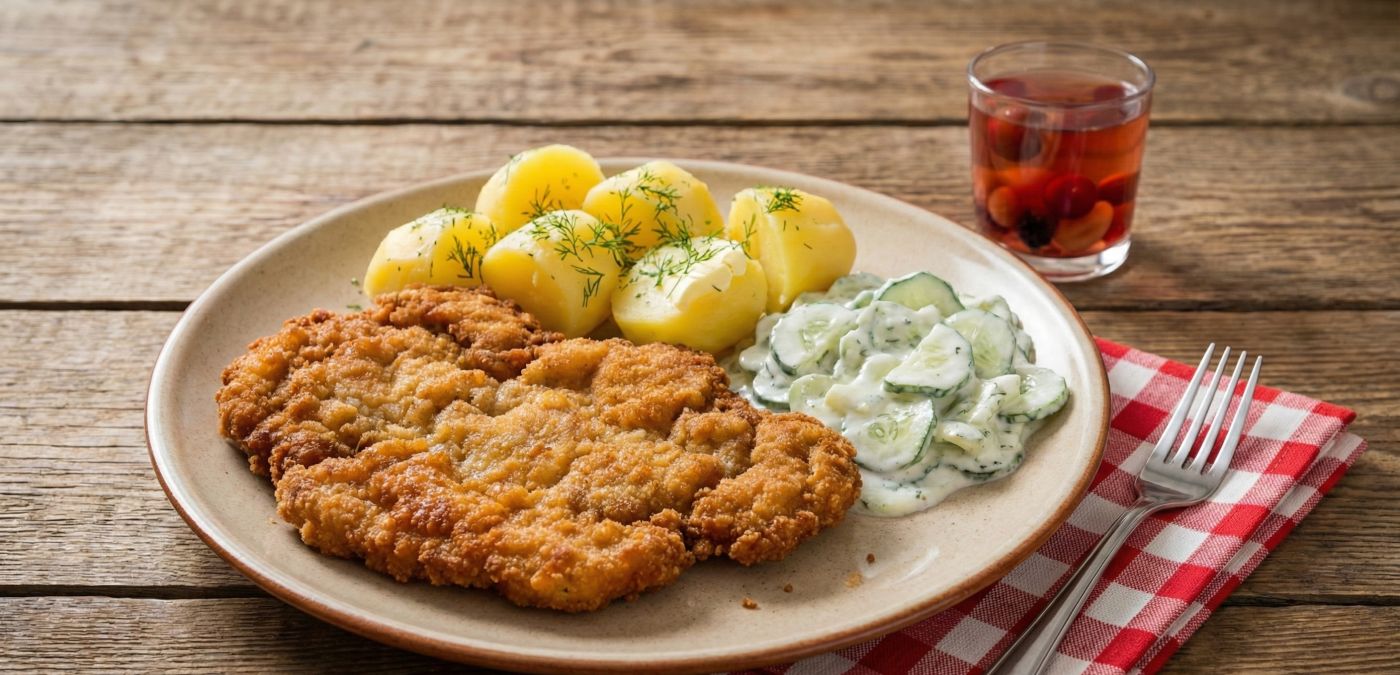
Poland is in the EU, which means food safety is regulated, inspected, and generally excellent. But Polish food culture has some quirks that confuse foreigners.
The Bottom Line Up Front
Poland is safe for food. EU standards, cold climate, strong regulations. You're not getting food poisoning unless you try.
Tap Water Reality
Safe to drink in all major cities. Warsaw, Kraków, Wrocław, Gdańsk, Poznań - tap water is treated and drinkable.
Polish people drink tap water without thinking about it. Bottled water exists but isn't necessary for safety.
Some older buildings might have old pipes affecting taste, but the water itself is safe.
Rural areas also generally have safe water, though well water in very remote villages might vary.
Milk Bar Culture
Mleczny bar (milk bars) are subsidized cafeterias serving traditional Polish food at absurdly cheap prices.
What they are:
- Communist-era holdovers
- Subsidized by government
- Serve traditional Polish dishes
- Frequented by students, elderly, budget-conscious locals
- Look dated and basic
Are they safe?
Yes. They're inspected and regulated like any restaurant. The setup looks Soviet-era but food safety is modern.
The food sits in warming trays. The ambiance is cafeteria-style. But it's safe and authentic.
Bar Mleczny Prasowy in Warsaw is famous. Completely safe, just very basic.
Pierogi, Pickles, and Preservation
Polish food culture includes a lot of preserved foods. Fermented, pickled, cured. This is tradition, not food safety concern.
Traditional preserved foods:
- Pickled cucumbers (ogórki kiszone) - fermented, safe
- Sauerkraut (kapusta kiszona) - fermented, safe
- Pickled herring - preserved in brine, safe
- Smoked sausage (kiełbasa) - cured, safe
- Pickled beets - safe
- Lard (smalec) - rendered pork fat, safe
These are intentionally preserved. They're meant to last. They're safe to eat.
The Raw Pork Thing
Tatar (steak tartare) is raw beef or pork with onions, egg yolk, and spices. It's a delicacy.
Poles eat raw pork. This freaks out Americans (trichinosis fears).
Why it's safe in Poland:
- Polish pork is tested and regulated
- Trichinosis in commercial pork is extremely rare in EU
- Restaurants serving tatar are licensed and inspected
- Locals eat it regularly without issues
If you're at a reputable restaurant and they serve tatar, it's safe. EU regulations ensure this.
That said, if raw meat makes you uncomfortable, don't eat it. But know it's not as risky as you think.
Christmas Eve Fish Tradition
Wigilia (Christmas Eve) is fish-based. Carp is traditional.
Many Poles buy live carp and keep it in the bathtub for a few days before Christmas.
Is this safe? Poles have been doing it for generations. The carp stays alive in clean water. It's then killed and cooked fresh.
Weird tradition for foreigners, but not a food safety issue.
Market Shopping
Polish markets are excellent.
Hala Mirowska (Warsaw), Stary Kleparz (Kraków), Hala Targowa (Wrocław):
- Fresh produce
- Meat from local farms
- Dairy products
- Bread from bakeries
- All inspected and regulated
Polish vendors are proud of their products. Quality is high. Everything is safe.
Bigos and Heavy Stews
Bigos (hunter's stew) is sauerkraut, meat, and vegetables slow-cooked for hours or even days.
It sits in a pot. Gets reheated. Sits again. This is intentional - bigos supposedly gets better over several days.
Is it safe? Yes. The long cooking kills bacteria. Reheating keeps it safe. Poles have been eating bigos this way forever.
Żurek in a Bread Bowl
Żurek (sour rye soup) is served in a bread bowl (chleb). The soup is hot, the bread is edible bowl.
The bread soaks up soup and becomes soggy. This is the point. It's safe and traditional.
Cold Weather Food Safety
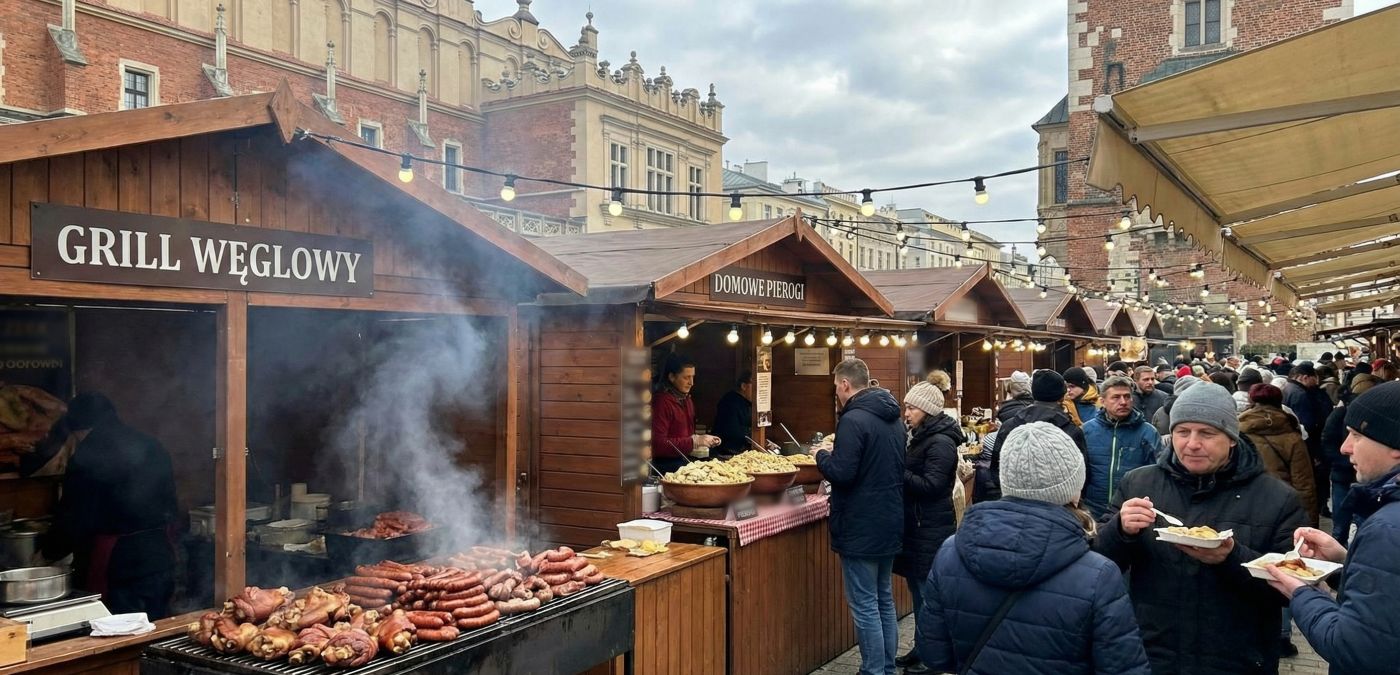
Poland is cold. Really cold in winter (-10°C to -20°C is common).
What this means:
- Food spoilage is much slower in cold weather
- Street vendors can sell food outside without immediate refrigeration
- Winter markets have food sitting out in freezing temps (acts as refrigeration)
- Meat and dairy products last longer
Polish food culture adapted to cold climate. Many traditions make sense in context of cold preservation.
Summer Considerations
Polish summers can hit 30°C+. Heat affects food safety more than winter.
Watch for:
- Mayonnaise-based salads (popular in Poland) sitting out in heat
- Meat products at outdoor markets in summer
- Ice cream from vendors (should be properly frozen)
That said, Poland's summer is still cooler than most places. Food safety infrastructure handles it fine.
Bread Culture
Polish bread is serious. Dense, dark, rye-based, stays fresh for days.
Chleb (bread) doesn't go stale quickly because of density and rye content. Day-old bread is normal and safe.
Bread from piekarnia (bakery) is made daily. Everything is fresh and safe.
Dairy Products
Poles love dairy. Sour cream, kefir, buttermilk, farmer's cheese (twaróg), cottage cheese.
All pasteurized and safe. EU dairy standards are strict.
Kefir and other fermented dairy:
- Supposed to taste sour and tangy
- Not spoiled, intentionally fermented
- Very popular in Poland
- Completely safe
Meat Quality
Polish meat is high quality. EU regulations, strong local farming traditions.
Kiełbasa (sausage): Available everywhere. Fresh kiełbasa needs cooking. Smoked kiełbasa can be eaten cold. All safe.
Pork: Poland is huge on pork. Quality is excellent. Properly cooked, it's safe.
Poultry: Chicken is safe. Standards are high.
Beef: Less common than pork but good quality.
All meat products in stores and markets are inspected and regulated.
Restaurant Scene
Traditional Polish restaurants:
- Serve heavy, meat-based dishes
- Portions are huge
- All safe and regulated
- Affordable
Milk bars (bar mleczny):
- Cheap, traditional, cafeteria-style
- Safe despite basic appearance
- Authentic Polish food
Modern restaurants:
- International food scene in cities
- Very safe
- More expensive than traditional spots
Chain restaurants:
- McDonald's, KFC, Pizza Hut exist
- Standard European quality
- Safe but boring
Street Food Reality
Poland doesn't have extensive street food culture like Asia.
What exists:
- Zapiekanka (baguette pizza) - grilled open-faced sandwich, safe
- Grilled kiełbasa - safe
- Placki ziemniaczane (potato pancakes) - fried fresh, safe
- Churros and similar snacks - safe
- Food trucks at events - licensed and safe
Street food in Poland is more like festival food than daily street vendors.
Grocery Shopping
Biedronka, Lidl, Kaufland, Carrefour, Auchan:
- Major supermarket chains
- EU standard
- Everything safe, labeled, refrigerated properly
- Cheap compared to Western Europe
Small local shops (sklepy):
- Fine for packaged goods
- Fresh items are usually fine but check dates
- Smaller selection
Pierogi Safety
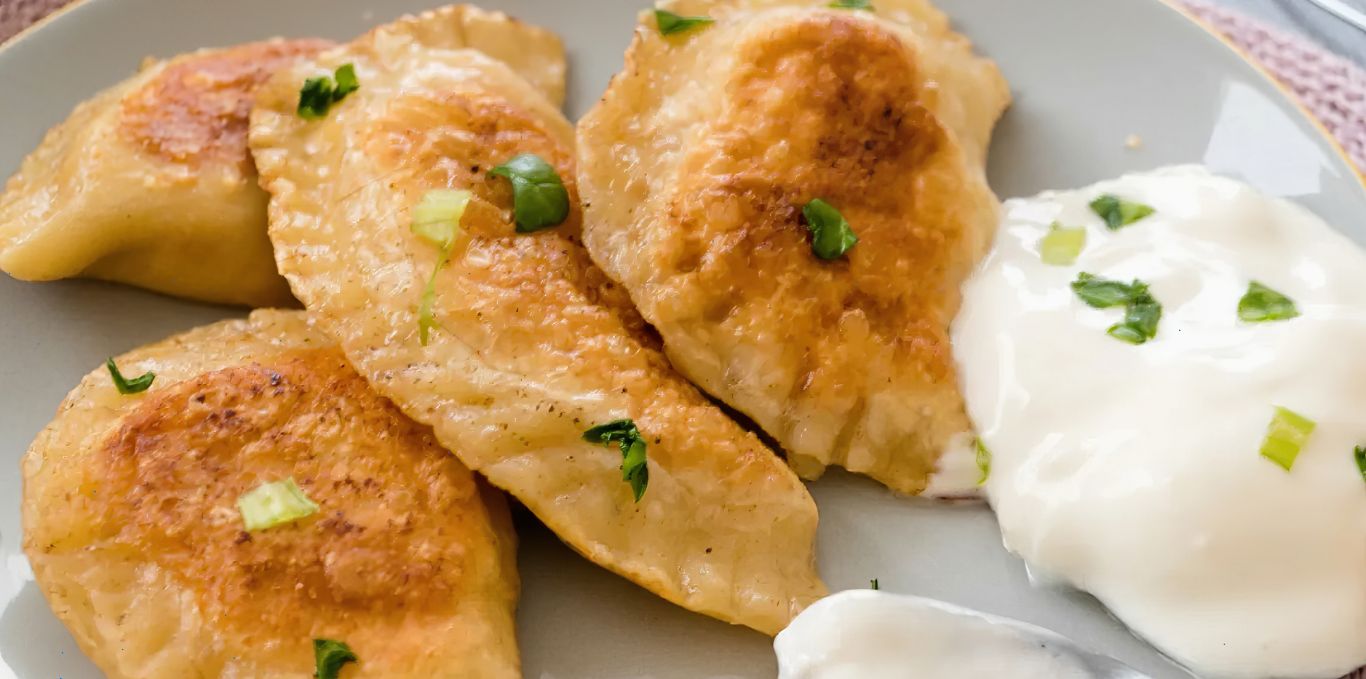
Pierogi (dumplings) are everywhere. Sweet, savory, boiled or fried.
Frozen pierogi from stores: Safe, just cook them.
Pierogi at restaurants: Made fresh or frozen, both safe.
Pierogi from street vendors: Usually safe if cooked fresh.
Homemade pierogi: If a Pole invites you home for pierogi, it's safe. Poles make pierogi constantly. They know what they're doing.
Alcohol and Food
Poles drink. Vodka (wódka) is serious business.
Vodka culture:
- Shots with meals
- Toasts are mandatory
- Quality vodka is smooth
- All regulated and safe
Beer (piwo):
- Excellent Polish craft beer scene
- Tyskie, Żywiec, Lech are mainstream brands
- All safe
Wine:
- Mostly imported
- Safe but not Poland's strength
Drinking with food is normal. The alcohol itself won't make you sick (overconsumption is your responsibility).
Regional Specialties
Warsaw: Not particularly known for unique food, but good access to all Polish cuisine.
Kraków: Obwarzanek (bagel-like bread), zapiekanka from Kazimierz, all safe.
Gdańsk: Baltic fish, especially smoked fish. Fresh and safe.
Wrocław: Good food scene, mix of traditional and modern.
Zakopane: Mountain food, oscypek (smoked sheep cheese), safe and delicious.
All regional foods are safe if from reputable vendors.
Oscypek (Smoked Cheese)
Oscypek is smoked sheep cheese from Tatra Mountains. It's sold by vendors, often unlicensed.
Is it safe?
Generally yes. It's smoked (preservative effect) and artisanal. EU has protected designation for real oscypek.
Buy from established markets or licensed vendors. Random mountain vendor? Probably fine but use judgment.
Communist-Era Holdovers
Some Polish food culture is from communist times. Milk bars, certain dishes, simple preparations.
This doesn't mean unsafe. Just simple, traditional, and heavy.
Poland has modernized but kept food traditions. The traditions are safe, just different from Western cuisine.
Things That Seem Wrong But Aren't
Mayonnaise-based salads sitting out: Polish mayo is different formulation. Plus cold weather. Usually fine.
Bread from days ago: Dense bread lasts. Not stale, just traditional.
Fermented everything: Intentionally fermented. Not spoiled.
Raw egg in tatar: Regulated and safe in Poland.
Sour cream on everything: That's the point. It's supposed to be sour.
Things That Actually Matter
Summer heat affecting mayo salads: Real concern in hot weather.
Unlicensed vendors: Rare but exist. Stick to licensed markets.
Old Soviet-style establishments that look sketchy: Appearance doesn't equal safety, but use judgment.
Food Allergies and Celiac
Poland is getting better with allergies but isn't as advanced as some Western countries.
Gluten-free (bezglutenowe): Available in cities, limited in rural areas. Difficult since Polish food is bread and dumpling heavy.
Lactose intolerance: Challenging. Dairy is in everything.
Nut allergies: Less common issue, but Polish cuisine doesn't use nuts extensively.
Restaurant staff may not be as knowledgeable about allergens as in US/UK. Be very clear about allergies.
Vegan/Vegetarian Challenges
Traditional Polish food is meat-heavy. Very meat-heavy.
Vegetarian:
- Pierogi ruskie (potato and cheese dumplings)
- Placki ziemniaczane (potato pancakes)
- Żurek can be made vegetarian
- Salads
Vegan:
- Challenging in traditional restaurants
- Better options in cities (Warsaw, Kraków have vegan spots)
- Milk bars are difficult (dairy heavy)
If vegan in Poland, you'll struggle with traditional cuisine. Modern restaurants in cities have options.
My Actual Experience
Lived in Poland for a year. Never got food poisoning once. Not once.
Ate milk bar food, traditional restaurants, street zapiekanka, homemade pierogi, market food. All safe.
Polish food is heavy, starchy, and meat-based, but it's safe.
The biggest challenge was the heaviness of the food, not safety concerns.
When Things Go Wrong
If you do get sick in Poland (unlikely), pharmacies (apteka) are everywhere.
Pharmacists are knowledgeable. Healthcare system is good. EU standards apply.
But again, food poisoning is rare.
Bottom Line
Poland is one of the safest countries for food in Europe.
EU regulations, cold climate, strong food culture, regular inspections.
Tap water: Safe everywhere.
Milk bars: Look Soviet-era but food is safe.
Raw pork (tatar): Actually safe in Poland due to regulations.
Preserved foods: Intentionally preserved, safe.
Street food: Limited but safe.
Restaurants: All inspected and regulated.
Markets: High quality, safe.
Your biggest challenges in Poland:
- Heavy, starchy food (hard on digestion but not unsafe)
- Language barrier (Polish is difficult)
- Finding vegan options
- Cold winters
- Peer pressure to drink vodka
Not food safety. That's handled.
Relax and eat the pierogi. They're safe and delicious.