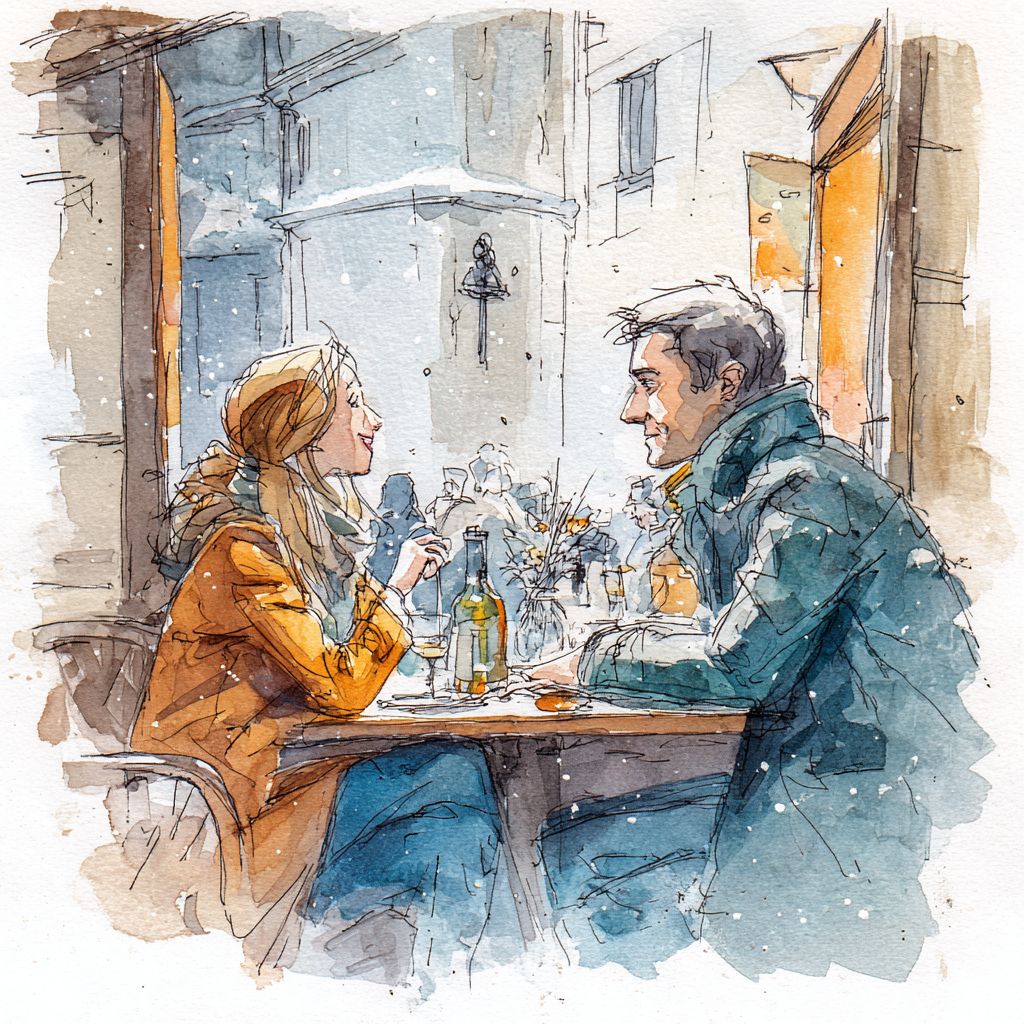
Everyone thinks Polish coldness is just reserved behavior that melts with warmth. Three winters later, you realize the emotional temperature matches the weather - survivable with proper equipment but never actually comfortable.
The Catholic Guilt Complex
Your Polish girlfriend isn't religious until suddenly she is. Sunday mass becomes mandatory. Her mother starts asking about baptism plans for children you haven't discussed. The cross above the bed stays during sex, judging your performance.
Mark thought Katarzyna was secular - she had tattoos, drank heavily, owned vibrators. Then Easter arrived. Suddenly she's fasting, confessing sins (including him), and explaining that living together before marriage is fine but her parents can never know. The cognitive dissonance could power Warsaw.
The Madonna-whore complex isn't metaphorical here, it's operational. She'll do things that would scandalize a pornographer Saturday night, then sit in church Sunday morning like butter wouldn't melt. You're expected to navigate this without questions.
Warsaw's Career Competition
Dating in Warsaw means competing CVs. First date questions: "Which firm? What position? How much?" Your romantic value calculated in złoty per month. Love is for people who can afford it.
Corporate Warsaw dating: Two consultants from different Big Four firms, meeting at Hala Koszyki, discussing deliverables while pretending it's flirtation. The relationship conducted entirely in business speak. "Let's circle back on commitment." "I need to cascade this to my stakeholders (parents)."
Anna works at Goldman Sachs. She only dates men who out-earn her. In Warsaw, that's twelve guys, and they're all dating each other's ex-girlfriends in an endless rotation of ambitious disappointment.
The Kraków Fantasy Bubble
Kraków expats think they're living in a fairytale. Medieval architecture! Charming squares! Then winter arrives and everyone's depressed, drunk, and fucking each other's friends because there are only forty expats under 40 who stay past October.
The Kazimierz cycle: Meet at Alchemia, drink żubrówka, discuss how "authentic" Kraków is compared to Prague. Hook up in an apartment that hasn't been renovated since communism. Wake up to -15°C and reality. Repeat weekly with diminishing enthusiasm.
By February, you've dated everyone in your extended social circle. The Jewish quarter bars become emotional minefields. Every venue holds awkward memories. You can't get coffee without encountering three exes and their new partners (your former friends).
Polish Emotional Communication
Poles express affection through criticism. "You're not as stupid as most foreigners" is a declaration of love. "Your Polish is terrible but I understand you" means she wants to marry you. Compliments are suspicious, criticism is caring.
James asked Małgorzata if she loved him. She listed his flaws for twenty minutes, then said "but I tolerate you." This is the Polish "I love you." He's still processing it two years later.
The emotional conversations happen only when drunk. Sober, you discuss weather and pierogi. After vodka, suddenly there are tears, declarations, family trauma from the war (which war? All of them). Morning comes, nobody acknowledges what was said. This is healthy communication, apparently.
The Expat Teaching Ghetto
Every English teacher dates other English teachers because Poles won't date teachers unless they're professors. The hierarchy is strict: University professors > IT > Finance > Regular jobs > English teachers > Unemployed (barely).
The British Council crowd thinks they're elite. Language school teachers know they're not. Everyone's bitter about Polish salaries while refusing to leave because everywhere else requires actual qualifications.
Sarah teaches business English to executives who earn five times her salary. She dates other expat teachers who pretend they're "writers" or "consultants." The delusion is collective and necessary for survival.
The Family Integration Test
Meeting Polish parents is like a job interview where you're automatically unqualified. You're not Polish (strike one), not Catholic (strike two), and you put butter on your pierogi (immediate disqualification).
The mother will feed you until you're sick while explaining why you're not good enough. The father will get you drunk on homemade vodka while testing if you're man enough. Both will speak about you in Polish assuming you don't understand. You don't, but the tone is universal.
Tom survived meeting Ewa's parents. Her mother cried about grandchildren he'll give her that won't be "properly Polish." Her father showed him the gun collection. Her brother threatened him "jovially." They're getting married next summer. This is considered acceptance.
Gender Role Whiplash
Polish women are simultaneously the strongest humans alive (survived communism, raise families, run businesses) and expect you to carry their purse, open every door, and pay for everything always.
Dating Polish men means being a feminist who performs traditional femininity. You have a PhD but he needs to feel smarter. You earn more but he pays. You're independent but need his protection from... something. The mental gymnastics are exhausting.
Emma's Polish boyfriend is progressive until his mother visits. Suddenly Emma's cooking, cleaning, and calling him "sir" while his mother nods approvingly. The mother leaves, he apologizes, explains it's "just easier this way." Emma's considering violence.
The Vodka Relationship Accelerator
Polish relationships develop at vodka pace. Sober: formal politeness. Two shots: deep conversation. Four shots: marriage proposals. Six shots: crying about partitions. Eight shots: either fighting or fucking. Morning: pretend nothing happened.
Every significant relationship milestone happens drunk. First kiss? Wasted. First "I love you"? Hammered. Moving in together? Decided at 4 AM outside Pawilony. The entire relationship conducted in blackout with sober administrative intervals.
Seasonal Affective Relationship Disorder
October through March, everyone couples up from desperation. It's dark, cold, and the suicide rates are spiking. You need someone to confirm you exist. These relationships have the shelf life of milk.
April arrives, sun appears, everyone remembers they have options. Mass breakups commence. The parks fill with newly single people blinking in sunlight like moles. Summer is for being single, pretending Warsaw is Barcelona.
David calls it "Winter Girlfriend Season." He's had the same relationship with three different women over three winters. They couple up in October, break up in April, both pretend it's the first time this has happened.
The Berlin Escape Valve
Half of all Polish relationships end with someone moving to Berlin. It's presented as career opportunity but everyone knows it's escape. Berlin is Warsaw with functioning liberalism and wages that match costs.
"I'm thinking about moving to Berlin" is Polish for "this relationship has six weeks left." Your partner nods, understanding. You both continue like nothing's changed while one person secretly interviews with German companies.
The Success Formula
Polish relationships that work accept that love is expressed through food, criticism, and vodka. That emotional availability happens twice yearly (Christmas and summer holidays). That family approval is impossible but family involvement is mandatory.
Steve and Agnieszka work because Steve learned that "kocham cię" (I love you) is for death beds, but bringing flowers every Friday says it better. Agnieszka learned that Steve needs verbal affirmation because Americans are emotional children. They meet in the middle: She says "you're okay" monthly, he accepts this as passion.
Why Expats Stay
Because Polish partners are loyal like nuclear bunkers are sturdy - not pretty but will survive apocalypse. Because once you're in, you're family, even if family means constant criticism. Because nowhere else combines intellectual conversation, dark humor, and complete emotional unavailability in such an addictive package.
Or because you've been here so long you've forgotten what emotional warmth feels like. Stockholm syndrome but with pierogi. You mistake survival for love, endurance for compatibility.
The Exit Strategy
Every expat in Poland has an exit strategy they'll never execute. "Just one more year" becomes five becomes ten. You wake up speaking Polish, drinking vodka for breakfast, criticizing everything as expression of care.
You've become Polish. Not officially - they'll never accept you. But functionally. Your relationship works because you've both lowered expectations to ground level. It's not happiness but it's stable. In Poland, that's enough.
The truth: Polish relationships are endurance tests disguised as romance. You either develop emotional frostbite resistance or you move to Spain. There's no middle ground, just vodka and survival.