I met Dr. Nguyen three months ago when I thought I had dengue. Turned out to be a bad flu, but during that appointment she made an offhand comment: "You're the third person this week who waited five days to come in because they were googling their symptoms instead of just seeing a doctor."
She seemed frustrated. So last week I asked if she'd grab coffee and tell me what expats consistently get wrong about healthcare here. She said yes, then immediately: "But I'm not doing one of those polished interview things where I pretend everything has a neat answer. Healthcare here is messy."
We met at a café near her clinic in District 1. I recorded this on my phone. She talked for almost two hours, barely drank her coffee, and got progressively more worked up about antibiotics.
This is edited for length but otherwise pretty much how the conversation went, including the parts where she got sidetracked or I asked dumb questions.
Me: So what's the biggest mistake you see?
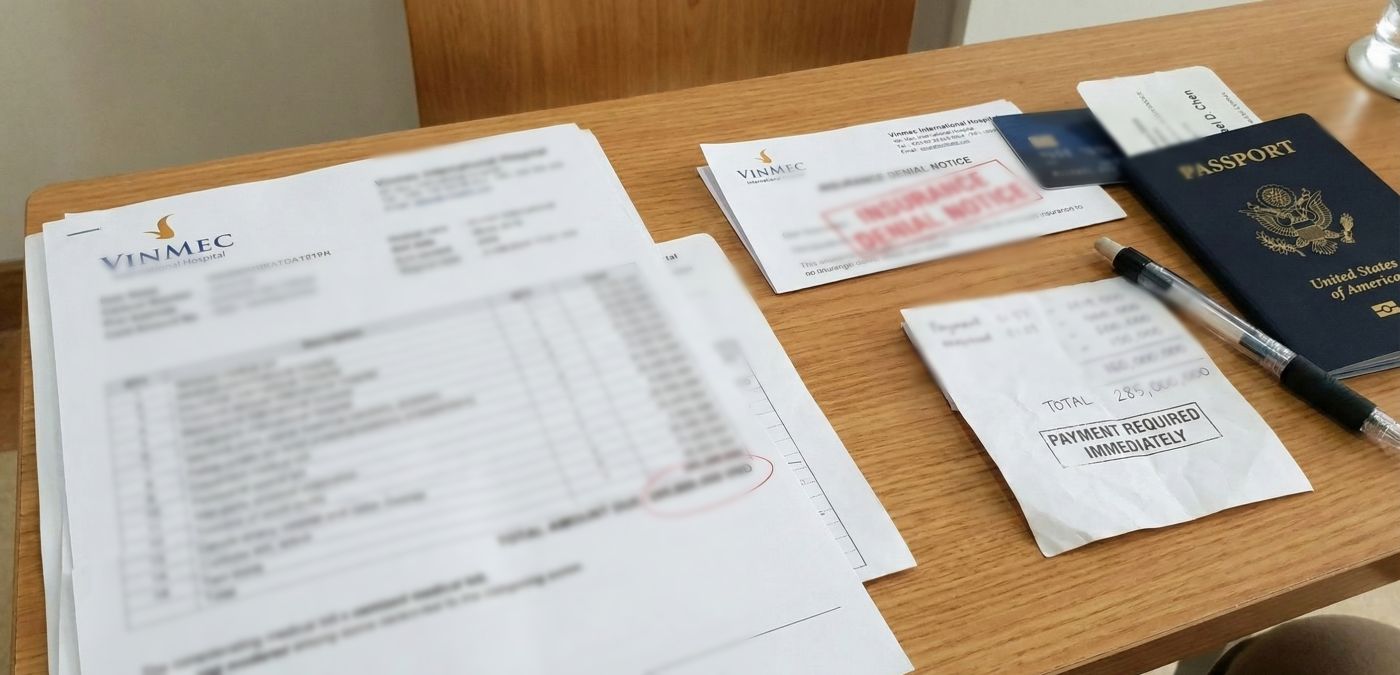
Dr. Nguyen: Oh, easy. No insurance. Like, at all. People move here, everything's cheap, they think "I'll just pay out of pocket for clinic visits." Then they have a motorbike accident or get dengue and they're completely—
[She stops to flag down the waiter for water]
Sorry. Yeah, so they're completely screwed. I had this guy, Canadian, teaching English, no insurance. Broke his leg in a motorbike accident. Not just broke—compound fracture, femur, needed surgery. He's at FV Hospital, they're excellent, but the bill was... I don't remember exactly, something like 250 million dong? Maybe 300 million? It was over ten thousand US dollars.
Me: Did he pay it?
Dr. Nguyen: His family had to wire money. He was on the phone crying to his mom while still on pain medication. It was awful. And this happens more than you'd think. At least once a month I see someone with no insurance facing a bill they can't pay.
Me: But like, isn't healthcare here supposed to be cheap?
Dr. Nguyen: For clinic visits! Not for surgery. Not for hospital stays. A consultation at my clinic is 500,000 dong, that's like twenty dollars. Antibiotics, maybe another 200,000. So people think everything's that cheap. But two weeks in a hospital? Surgery? Intensive care? That's where it gets expensive. Not US expensive, but if you're a backpacker or English teacher making 30 million a month, you can't afford 200 million for emergency surgery.
Me: How much does insurance cost?
Dr. Nguyen: I don't actually know the exact numbers. Maybe $100, $150 a month? Depends on your age and coverage. But that's... okay, I'm not an insurance agent. I just know that when I see people without it, bad things happen.
Me: What about Vietnamese social insurance? Can expats get that?
Dr. Nguyen: If you're working legally, yes. Your employer should enroll you. It covers some things but it's... [pauses] it's complicated. It works better for Vietnamese people who understand the system. For expats, I usually recommend international insurance if you can afford it. But honestly, anything is better than nothing.
Me: What about hospitals? Everyone says "don't go to Vietnamese hospitals, only go to international hospitals."
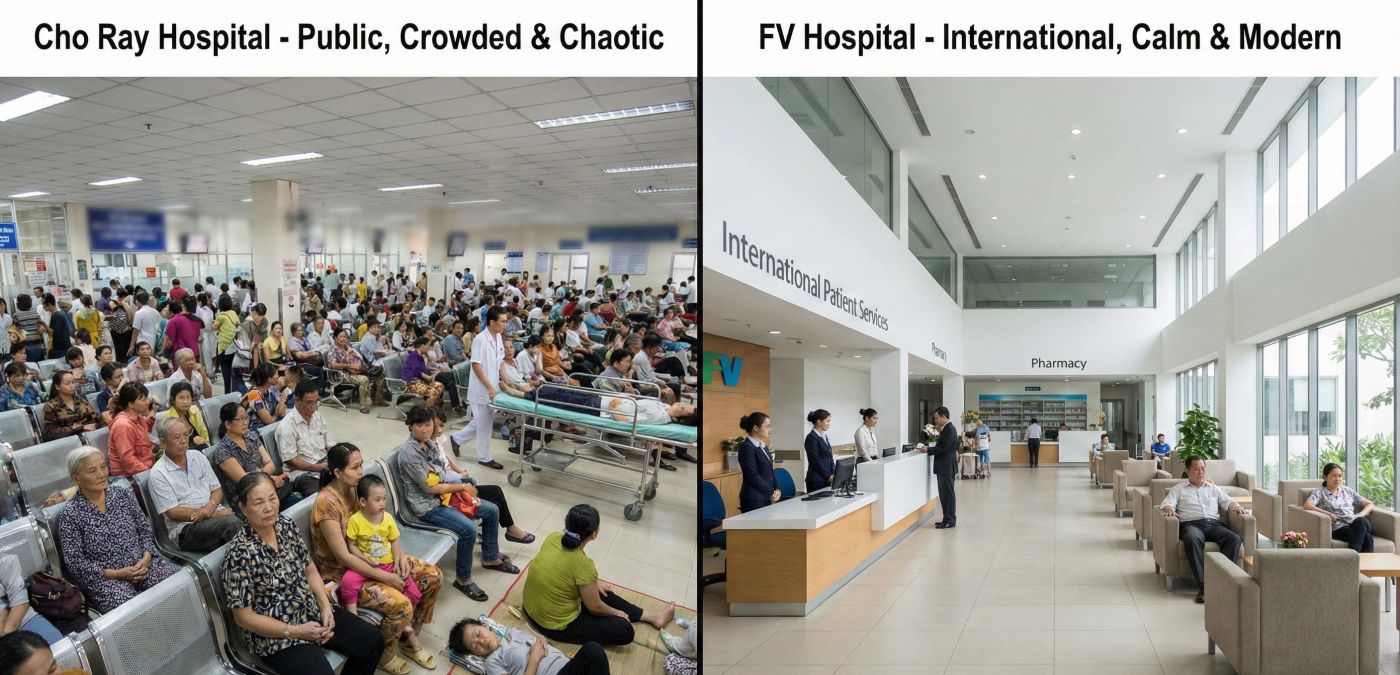
Dr. Nguyen: [Visible frustration] This pisses me off because it's ignorant. Vietnamese hospitals—the public ones—are chaotic, yes. Crowded, yes. No English, yes. But dangerous? No. Some of the best doctors in Vietnam work at Cho Ray Hospital. The best surgeons. If you have serious trauma, Cho Ray might actually be better than FV because they see so much volume.
The problem is the experience. You show up, there are hundreds of people, families sleeping in hallways, it smells weird, no one speaks English. If you need surgery and you're alone and you don't speak Vietnamese? Nightmare. But the surgery itself? Probably fine.
Me: So should expats go there or not?
Dr. Nguyen: Depends. If you have insurance that covers international hospitals and it's not an emergency, go to FV or Vinmec or Raffles. English-speaking staff, comfortable, they'll coordinate with your insurance. If it's a real emergency and you're near Cho Ray, honestly, go there. They'll stabilize you. You can transfer later if you want.
I hate that expats have this binary thinking: Vietnamese hospitals = bad, international hospitals = good. It's more like... different purposes. I trained at Vietnamese public hospitals. I learned from excellent doctors who are still working there.
Me: Have you ever sent someone to a public hospital?
Dr. Nguyen: Yeah, for specialists sometimes. Like there's this cardiologist at Nguyen Tri Phuong Hospital who's brilliant. Better than anyone at international hospitals. But you need a translator. You need patience. My Vietnamese patients go there and they're fine. My expat patients... [shrugs] most won't.
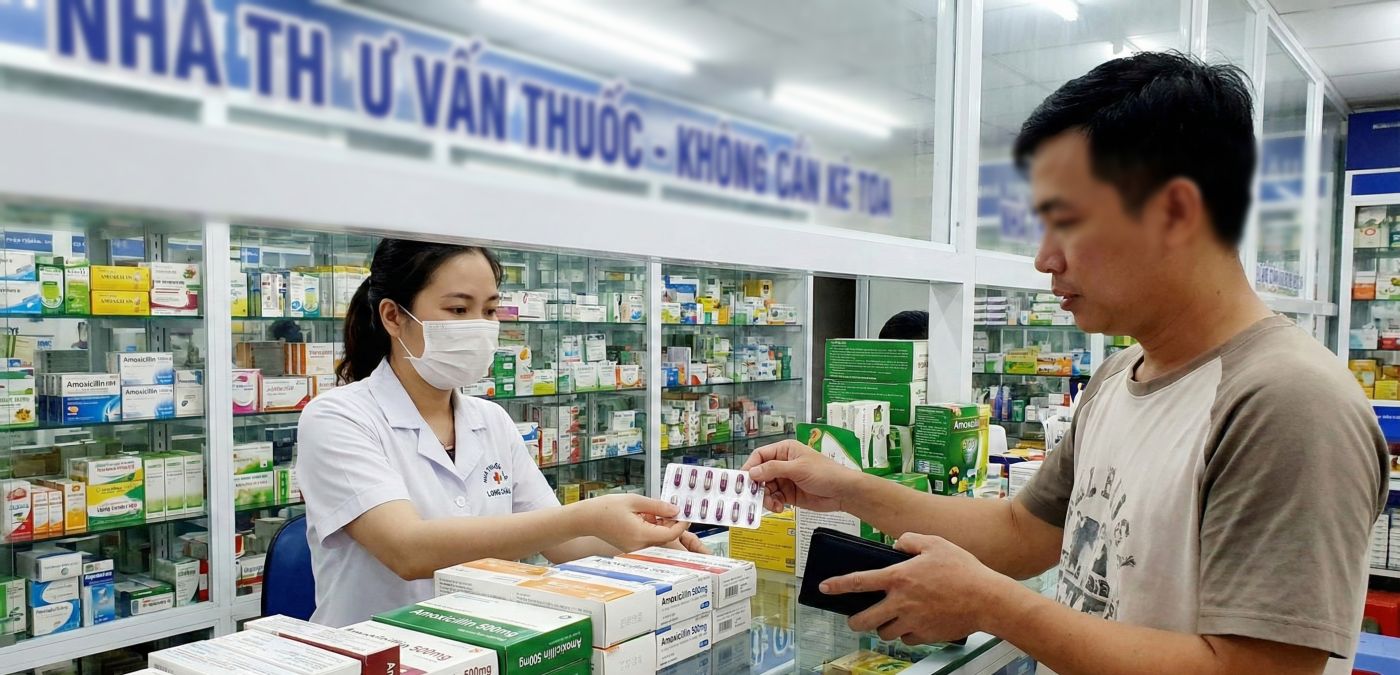
Me: What about the antibiotic thing? I've heard you can buy antibiotics at pharmacies without prescriptions.
Dr. Nguyen: [Immediate visible irritation] Oh my god. Yes. You can. And everyone does and it's a disaster and I want to scream about this.
Me: That bad?
Dr. Nguyen: It's creating antibiotic resistance! People take two days of amoxicillin, feel better, stop taking it. Or they take antibiotics for a cold, which is a virus, which antibiotics don't treat. Or the pharmacy sells them some random antibiotic that's not even for their infection.
I had a patient last month, expat, had a cold. Went to a pharmacy, they sold him ciprofloxacin. Cipro! For a cold! That's a powerful antibiotic for bacterial infections. He took it for three days, didn't help because it was a virus, came to me asking why he still felt sick.
Me: So should I never buy antibiotics at pharmacies?
Dr. Nguyen: Not without a prescription. If you have a prescription from a doctor, fine, fill it at a pharmacy. But don't just walk in and say "I need antibiotics."
Me: But people do it all the time.
Dr. Nguyen: I know! And pharmacists sell them because it's profitable and there's no enforcement. It's a systemic problem. But just because you can doesn't mean you should.
[She pauses, drinks some coffee]
Sorry, this is... I deal with this daily. Someone comes in with a resistant infection because they've been self-medicating with antibiotics for weeks and now nothing works. It's frustrating.
Me: What if I'm traveling in rural Vietnam and I can't see a doctor?
Dr. Nguyen: Then bring emergency antibiotics prescribed by a doctor before you go. I'll give patients prescriptions for doxycycline or azithromycin if they're going somewhere remote. But that's different from just buying whatever the pharmacy recommends.
Me: What do expats come to you for most?
Dr. Nguyen: Stomach problems. Everyone gets stomach issues. Street food, water, just... different bacteria than they're used to. Usually it's self-limiting, goes away in a few days. But they come in panicked like they're dying.
Me: Should they not come in?
Dr. Nguyen: No, it's fine to come in. Better safe than sorry. But I wish people understood the difference between "uncomfortable stomach upset that will pass" and "I need emergency care." If you have diarrhea but no blood, no high fever, you're staying hydrated, you can probably wait a day and see if it resolves. If you're seeing blood, can't keep water down, or have a fever over 39°C, come in sooner.
Me: What else?
Dr. Nguyen: Dengue. Especially rainy season. We see so much dengue. And people don't understand what it is. They think it's like the flu. It can be serious. We need to monitor your platelet count. If your platelets drop too low, you can have internal bleeding.
Me: How do you know if it's dengue?
Dr. Nguyen: High fever, severe body aches, rash, pain behind the eyes. But honestly, it looks like a lot of things. We do a blood test. If it's dengue, I want to see you every day or every other day to check your blood count.
Me: Is there treatment?
Dr. Nguyen: Not really. Hydration, rest, acetaminophen for fever. No ibuprofen or aspirin because they affect platelets. Most people recover fine at home. Some people need IV fluids in the hospital. Rarely, people develop severe dengue and need intensive care.
Me: Should I be worried about dengue?
Dr. Nguyen: [Laughs] You live in Vietnam, so... yes? But like, reasonably worried. Use mosquito repellent. Sleep with AC or under a net. Don't have standing water in your apartment. Most people who get dengue recover fine. It just sucks for a week.
Me: What about motorbike accidents?
Dr. Nguyen: Oh god. I see so many. Usually expats who just arrived, think they can ride a motorbike because they rode a bicycle once, get on a bike in Saigon traffic, and—[makes a crashing gesture]
Me: That's not really a healthcare question...
Dr. Nguyen: No, but it's a "why am I treating so many foreigners with road rash and broken bones" question. Wear a helmet. A real one, not those fake plastic bowls. Don't ride drunk. Don't ride in flip-flops. Learn to ride in a parking lot before you get on actual roads.
Me: Have you seen really bad accidents?
Dr. Nguyen: Yeah. Head injuries, broken femurs, road rash so bad they needed skin grafts. One guy, Australian, drove drunk, hit a curb, shattered his ankle. Needed multiple surgeries. He was here for two more months because he couldn't fly home. His insurance almost didn't cover it because he was drunk.
Me: Does insurance not cover you if you're drunk?
Dr. Nguyen: Depends on the policy. Some don't. Some do but make you pay a deductible. It's in the fine print. Don't assume insurance covers everything.
Me: What about giving birth here? I've heard mixed things.
Dr. Nguyen: Mixed is accurate. FV and Vinmec have good maternity wards. Private rooms, English-speaking staff, modern equipment. I've delivered babies there. It's fine for uncomplicated births.
Me: But?
Dr. Nguyen: But the C-section rate is high. Higher than it should be. Some of that is medical caution, some of it is... [pause] hospitals make more money on C-sections. I'm not saying they do unnecessary ones, but let's say the threshold for recommending C-section is lower here than in Australia or the UK.
Me: How much lower?
Dr. Nguyen: I don't have exact numbers. But my colleagues and I have noticed it. If you want a vaginal birth, you need to be clear about that and advocate for yourself. Or have a birth plan. Though honestly birth plans in Vietnam are... [laughs] less followed than in Western countries. Doctors here are more paternalistic.
Me: Should pregnant expats go home to give birth?
Dr. Nguyen: Depends. If you're high-risk, if it's your first baby, if you have good healthcare in your home country, maybe consider it. If you're low-risk and comfortable here, Vietnam is fine. But know that you might end up with a C-section you didn't want. And if there are complications with the baby, NICU capabilities are limited. Not nonexistent, but limited.
Me: What about prenatal care?
Dr. Nguyen: Good. I do prenatal care at my clinic. We have ultrasounds, blood tests, everything you need. Some women do all their prenatal care here and fly home at 36 weeks to deliver. That works.
Me: Okay, different question. What about mental health care?
Dr. Nguyen: [Long pause] Limited. Very limited. There are a few English-speaking counselors in Saigon and Hanoi. Not many. Sessions cost 2-3 million dong, most insurance doesn't cover it well, and availability is limited.
Me: What do you tell people who need therapy?
Dr. Nguyen: Online therapy. BetterHelp, Talkspace, whatever. Schedule sessions with therapists in your home country or wherever. It's not ideal but it's better than nothing.
If someone needs medication—antidepressants, anti-anxiety meds—I can prescribe those. That's more straightforward. But talk therapy? Hard to find here.
Me: Why is it so limited?
Dr. Nguyen: Cultural. Mental health isn't talked about openly in Vietnam. There's stigma. So there aren't many therapists, and the ones who exist mostly work with Vietnamese patients in Vietnamese. The market for English-speaking therapy is small.
Me: That seems like a big gap.
Dr. Nguyen: It is. I have patients who fly to Bangkok or Singapore just to see a therapist. Or they fly home for a few weeks. It's not sustainable. Honestly, if you have serious mental health needs, Vietnam might not be the best place to live long-term.
Me: What about counterfeit medications? I've heard that's a problem.
Dr. Nguyen: It is, but less than people think. Counterfeit drugs exist, mostly for erectile dysfunction meds, weight loss pills, some antibiotics. But if you go to legitimate pharmacies—Pharmacity, Guardian, Medicare—you're probably fine.
Me: How do I know if a pharmacy is legitimate?
Dr. Nguyen: Does it look like an actual pharmacy or like a random shop in a market? If it's in a shopping mall or it's a chain, you're fine. If it's a small shop with no clear labeling, maybe not.
Me: What about hospital pharmacies?
Dr. Nguyen: Those are reliable. More expensive, but reliable. If I prescribe something important, I tell patients to fill it at the hospital pharmacy, not at random places.
Me: Has anyone come to you with fake medications?
Dr. Nguyen: Not directly, but I've had patients taking "medication" that didn't work, and when I looked at it, the packaging looked off. Faded printing, spelling errors, no Vietnamese labeling. Probably fake.
Me: What about vaccines? What do I actually need?
Dr. Nguyen: Hepatitis A, typhoid, tetanus. Those are the main ones. If you're going to rural areas, Japanese encephalitis. If you'll be around dogs, consider rabies pre-exposure.
Me: What about dengue vaccine?
Dr. Nguyen: Only if you've already had dengue once. It can make first-time dengue worse. So for most expats, no.
Me: Where do I get vaccines?
Dr. Nguyen: At my clinic, at any international clinic. We charge about a million dong per vaccine. Maybe 1.5 million for rabies. It's cheaper to get them here than in the US or Europe before you come.
Me: Do I need to get them all at once?
Dr. Nguyen: No. Space them out. Some need multiple doses over weeks or months anyway.
[At this point her phone rings. She answers in Vietnamese, talks for a minute, hangs up]
Sorry, patient question.
Me: Uh, where were we?
Dr. Nguyen: Vaccines.
Me: Right. Okay, what about traditional Vietnamese medicine? Should I try it?
Dr. Nguyen: For what?
Me: I don't know. General health?
Dr. Nguyen: [Skeptical look] Traditional medicine is... look, I'm Western-trained, so I'm biased. But some of it is harmless—herbal teas, massage, cupping. If you want to try that, fine. Just tell me what you're taking so I can check for interactions with actual medications.
Me: Interactions?
Dr. Nguyen: Some herbal preparations interact with Western drugs. Or they contain heavy metals. Or they're just useless and you're wasting money.
Me: Has anyone had problems?
Dr. Nguyen: I had a patient taking some traditional medicine for liver health. It actually made his liver enzymes worse. Turned out the herbs had toxins in them. He stopped taking it, liver went back to normal.
Me: So avoid traditional medicine?
Dr. Nguyen: I'm not saying avoid it. I'm saying don't use it instead of proven medicine. Don't skip your diabetes medication because someone sold you magic tea. Don't take it without telling your doctor. And don't believe claims that it cures cancer or serious diseases.
Me: Fair.
Dr. Nguyen: Also, anything with animal parts? Don't. It's often illegal and definitely unethical.
Me: Last question. What's one thing you wish every expat knew?
Dr. Nguyen: [Thinks for a moment] Have a plan. Don't wait until you're sick to figure out where to go. Know which hospital you'd go to in an emergency. Have your insurance information on your phone. Know your blood type. Have emergency contacts saved.
And get insurance. Seriously. I don't care if you're young and healthy. Get insurance.
Me: You've said that a few times.
Dr. Nguyen: Because I keep seeing people who didn't, and then they have a crisis. It's preventable. Just get insurance.
We talked for another twenty minutes about random stuff—dengue season, Vietnamese traffic, why air quality is so bad. Then she had to go back to her clinic for afternoon appointments.
As she was leaving, she said: "Oh, and tell people to stop asking me to prescribe antibiotics for colds. It's a virus. Antibiotics don't work on viruses. I will die on this hill."
So there you go. Get insurance. Don't take antibiotics for viruses. Wear a real helmet.
Family Medical Practice - Ho Chi Minh City Diamond Plaza, 34 Le Duan, District 1 Emergency: +84 28 3822 7848
This conversation happened in October 2024. Some details have been edited for length and clarity, but the substance is accurate. Dr. Nguyen reviewed this before I posted it and made me add the part about antibiotics again because apparently I didn't emphasize it enough.
Costs mentioned are approximate and in Vietnamese dong (VND). Rough exchange rate: 25,000 VND = $1 USD