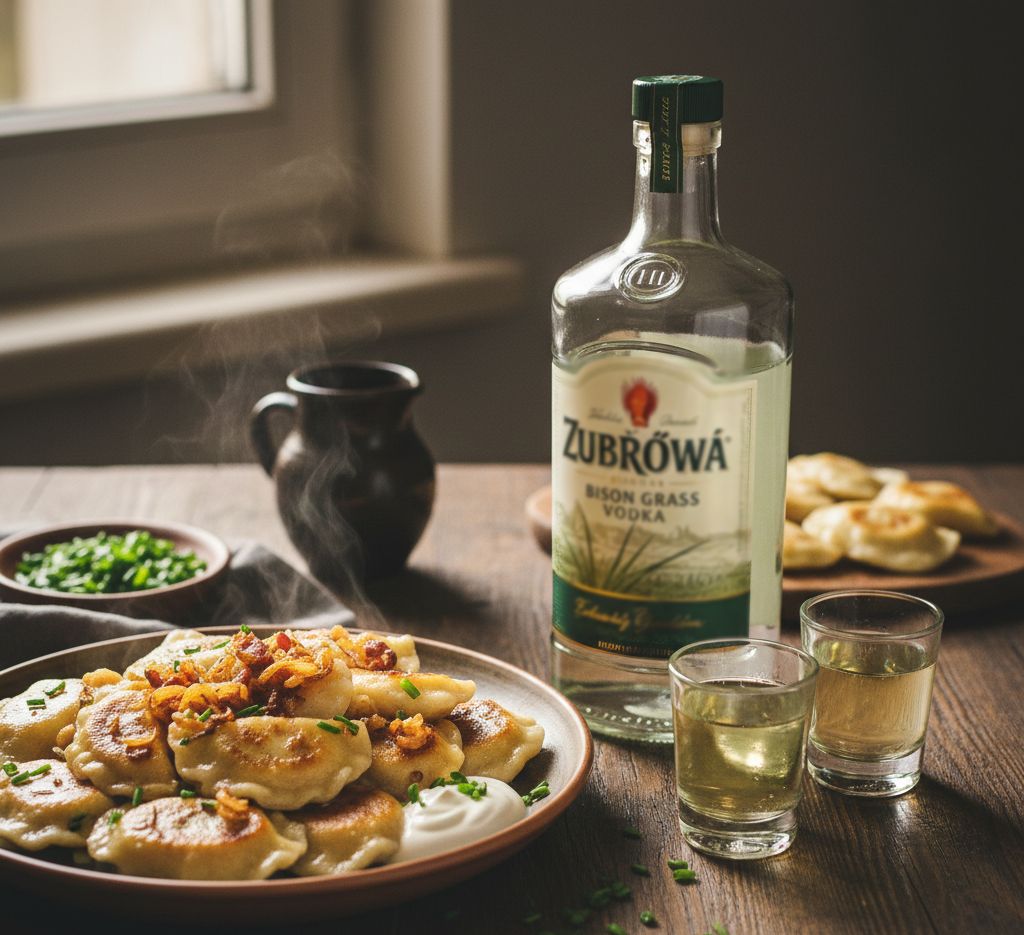
October through March in Poland isn't winter. It's "gray season"—a specific meteorological depression that requires equipment for your soul, not just your body.
The sun sets at 3:30 PM. But it never really rose. It just went from dark gray to medium gray to dark gray again.
My Finnish friend visited in November. "This is worse than Finland," he said. "At least we have snow. This is just... nothing."
He was right. Poland doesn't have weather. It has the absence of weather. Gray sky, gray buildings, gray mood. Your gear isn't fighting elements. It's fighting existential void.
The Vodka Is Infrastructure
Poles don't drink vodka for fun. They drink it for survival. Not from cold—from gray.
Every Polish household has:
- Emergency vodka (for guests)
- Daily vodka (for gray)
- Good vodka (for celebrations)
- Żubrówka (bison grass vodka, for Americans who need flavor)
My landlord Piotr explained: "You drink vodka not to get drunk. You drink to remember colors exist."
One shot at 4 PM when darkness arrives. One shot at 7 PM when you realize it's been dark for hours. One shot before bed to forget tomorrow will be identical.
Cost: 30 złoty ($7.50) for decent bottle. Lasts a week if you're disciplined. Three days if you're honest.
Why Everyone Owns Seven Scarves
Polish scarves aren't fashion. They're armor against przewiew (draft)—the Polish belief that moving air causes every illness.
Hierarchy of scarves:
- Thin scarf (for inside)
- Medium scarf (for maybe outside)
- Thick scarf (for definitely outside)
- Emergency scarf (in bag)
- Grandma's scarf (magical protection)
- Work scarf (already contaminated)
- Good scarf (for church/dates)
Total scarf investment: 200 złoty ($50) at Hala Mirowska market.
The scarf protects against przewiew, which causes:
- Colds (obviously)
- Kidney problems (somehow)
- Infertility (apparently)
- Bad luck (definitely)
My American skepticism died when I got sick from sitting near a cracked window. Now I own seven scarves too.
The Papcie (House Slipper) Protocol
You don't walk in Polish homes. You glide in papcie—house slippers that never, ever go outside.
Every Polish home has:
- Host papcie (yours)
- Guest papcie (minimum 6 pairs, various sizes)
- Emergency papcie (disposable, for delivery guys)
- Bathroom papcie (different from regular papcie)
The rules:
- Street shoes off immediately at entrance
- Never walk in socks (disrespectful to floor)
- Never wear outside shoes inside (basically murder)
- Papcie provided or bring your own
Cost: 15 złoty ($4) at any market. But the good ones from Kraków? 60 złoty and worth it.
The Biedronka Survival Kit
Biedronka (ladybug) is Poland's discount supermarket and actual lifeline.
Weekly Biedronka haul for gray season:
- Sauerkraut (vitamin C for scurvy prevention)
- Pickles (vegetables that survive Polish winter)
- Kiełbasa (protein and reason to live)
- Dark bread (could build houses with it)
- Twaróg (cottage cheese, but aggressive)
- Tea (industrial quantities)
- Candles (for when gray becomes too much)
Total: 100 złoty ($25) feeds you for a week.
The tea is crucial. Poles drink tea like Americans drink water. Constantly, desperately, as if it contains sunlight.

Why Every Bathroom Has a Drying Rack
Polish apartments don't have dryers. They have hope and radiators.
The setup:
- Washing machine (violent, 3-hour cycles)
- Drying rack (permanently in bathroom)
- Radiator religion (clothes draped on every surface)
- Acceptance (nothing fully dries until May)
Your clothes are either:
- Wet (just washed)
- Damp (on rack for 2 days)
- Crispy (on radiator too long)
- Mildewy (gave up)
My "quick-dry" travel clothes take five days to dry. Polish cotton from Reserved? Same five days but cheaper.
The Pierogi Emergency Protocol
Pierogi aren't food. They're currency, medicine, and reason to continue.
Every freezer has:
- Emergency pierogi (minimum 2 bags)
- Good pierogi (from babcia or specific shop)
- Drunk pierogi (whatever's at Żabka at 2 AM)
- Fancy pierogi (for impressing dates)
When gray season peaks, you eat pierogi. When vodka runs out, you eat pierogi. When you can't remember what happiness felt like, you eat pierogi with extra smetana (sour cream).
Cost: 8 złoty ($2) per bag. Emotional value: Priceless.
The Reserved/CCC/House Ecosystem
Polish fashion chains understand Polish reality:
- Reserved: Clothes that look expensive but cost nothing
- CCC: Shoes that look leather but aren't
- House: Somehow cheaper than both
Total new wardrobe at Reserved: 400 złoty ($100)
- Coat that looks wool (isn't)
- Boots that look leather (aren't)
- Sweaters that look cashmere (definitely not)
They last exactly one gray season. Next October, you buy again. It's not fast fashion. It's Polish fashion—designed to survive exactly as long as your will to live.
The Granny Cart Revolution
That wheeled shopping cart every Polish grandma has? You need one.
Because Polish shops don't have parking. Polish sidewalks are obstacles courses. Polish grocery bags are theoretical.
Cost: 50 złoty ($12.50) at any market
Uses:
- Grocery hauling
- Laundry transport
- Moving furniture (seriously)
- Drunk friend transport (allegedly)
Young Poles mock them until they try carrying 10kg of potatoes up four flights of stairs. Then they buy one secretly.
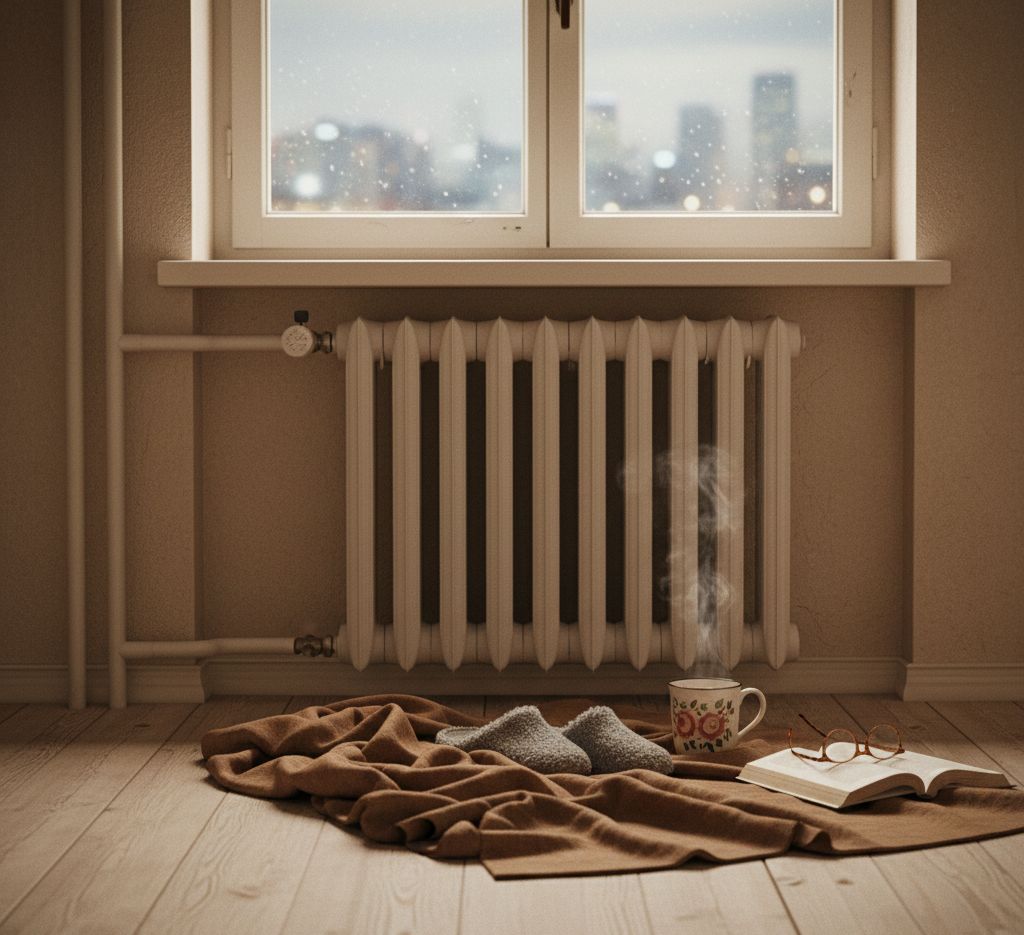
The Radiator Shrine
Every Polish apartment has radiators from 1973. They're either:
- Surface of the sun hot
- Completely cold
- Making sounds like dying whale
You can't control them. The building does. Or doesn't. It's communist-era mystery.
Polish radiator management:
- Too hot? Open window (waste energy like Soviet tradition)
- Too cold? More layers and vodka
- Perfect temperature? It's July
Your gear organization revolves around radiators: Wet clothes on them, dry clothes near them, yourself pressed against them.
The Kompot Conspiracy
Every Polish grandma makes kompot—fruit boiled in water with sugar. It's not juice. It's not tea. It's kompot.
Purpose:
- Vitamin C (theoretical)
- Using fruit before it rots
- Having something colored in gray season
- Grandma showing love
You'll be offered kompot everywhere. Refusing is insulting. It tastes like fruit's dying memory. You drink it and say "pyszny" (delicious).
Surviving Polish Gray
Polish gray season isn't about gear. It's about systems that acknowledge you're slowly dying but refuse to admit defeat.
My Polish survival kit:
- Vodka (medicinal)
- Scarves (wszystkie - all of them)
- Papcie (multiple pairs)
- Pierogi (frozen, always ready)
- Reserved wardrobe (replaced annually)
- Granny cart (hidden in hallway)
- Tea (industrial quantities)
- Acceptance of gray
Total cost: 1,000 złoty ($250) per season
My technical gear was designed for weather. Poland doesn't have weather. It has gray. You don't fight gray. You survive it with vodka, scarves, and pierogi.
Come April, the sun appears. Poles emerge like confused moles. Everyone pretends the gray season didn't happen.
Then October returns. The cycle continues. The scarves come out. The vodka flows. The pierogi defrost.
This is Poland. Your gear doesn't matter. Your pierogi supply does.
Where to find everything:
- Biedronka: Sustenance and sadness
- Hala Mirowska: Real food, real scarves
- Reserved/CCC: Polish fashion reality
- Any babcia: Papcie, kompot, wisdom
- Żabka: 2 AM pierogi and regret
Note: Poland isn't about having the right gear. It's about having the right resignation.
Photo Sources:
- Warsaw gray winter
- Search: "Warsaw gray winter day" or "Poland cloudy season"
- Unsplash: https://unsplash.com/s/photos/warsaw-winter
- Polish vodka selection
- Search: "Polish vodka shelf" or "Żubrówka bottles"
- Multiple scarves
- Search: "Polish winter fashion" or "Warsaw scarf style"
- Papcie collection
- Search: "papcie domowe" or "Polish house slippers"
- Biedronka store
- Search: "Biedronka Poland interior" or "Polish supermarket"
- Drying rack apartment
- Search: "Polish apartment drying" or "suszarka na pranie"
- Frozen pierogi
- Search: "Polish frozen pierogi" or "pierogi ruskie package"
- Reserved store
- Search: "Reserved Poland" or "Polish fashion chain"
- Granny cart
- Search: "wózek na zakupy" or "Polish shopping trolley"
- Old radiator
- Search: "kaloryfer PRL" or "Polish apartment heating"
- Kompot jars
- Search: "kompot domowy" or "Polish fruit drink"