I've lived in Kraków for eighteen months. Before I moved here, people warned me about all kinds of things: pickpockets, drunk people, Eastern European corruption, sketchy taxi drivers, street crime, cold weather that'll kill you.
Most of those warnings were either exaggerated or completely wrong. But some things nobody warned me about did turn out to be dangerous.
This is what I wish someone had told me about safety in Poland before I moved here. What's actually risky, what's just uncomfortable if you're not used to it, and what I learned the hard way.
The Thing That Almost Killed Me: Black Ice
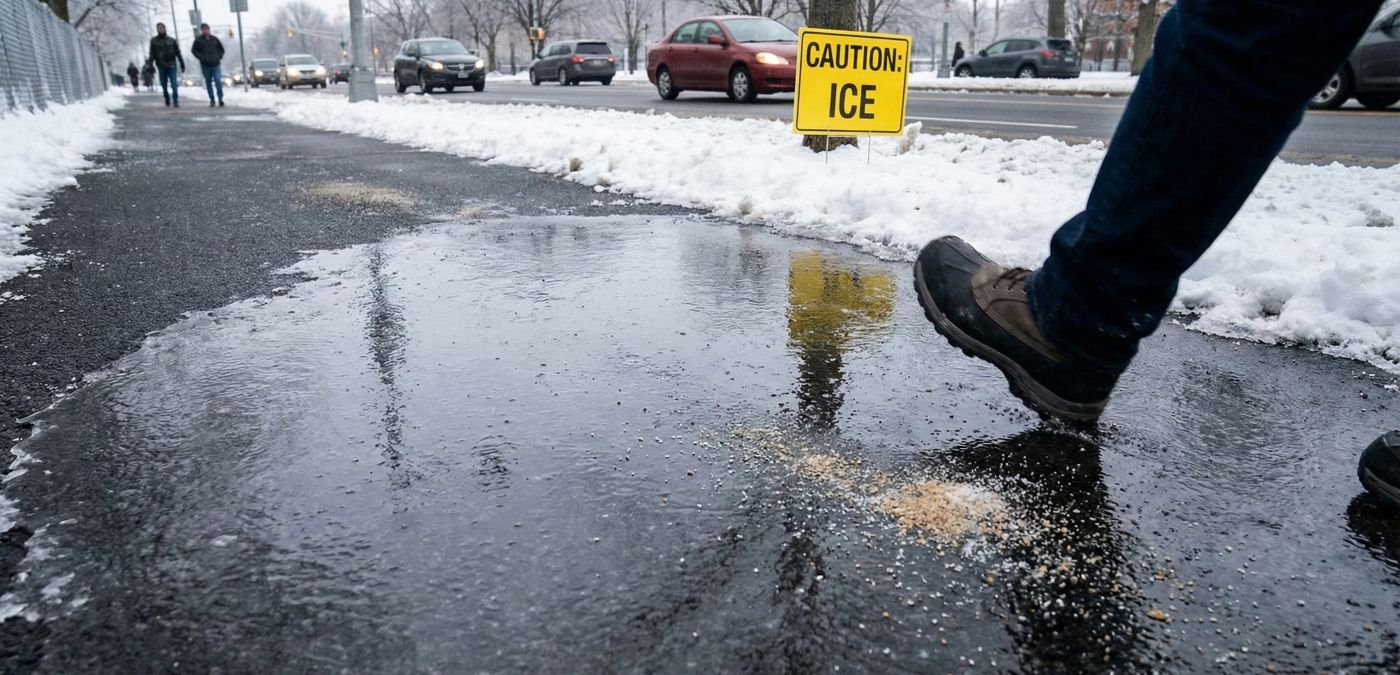
What happened: February 2024. I was walking to the tram stop at 7 AM. Sidewalk looked slightly wet. I took one step, both feet went out from under me, I landed flat on my back. Hit my head on the concrete.
Lying there stunned, a Polish woman walking past looked at me with this expression like "what an idiot" and kept walking.
I had a concussion. Spent the day in the hospital getting scanned. Couldn't work for three days because of headaches and dizziness.
What I didn't understand: Black ice is invisible. It doesn't look like ice. It looks like a slightly wet sidewalk. When the temperature hovers around 0°C (32°F), sidewalks can be wet during the day, then freeze at night into a glass-like surface.
Polish people know this. They walk differently in winter—slower, more carefully, with different shoes. I was walking normally in my regular sneakers like an idiot.
What nobody told me:
- Get proper winter shoes with good treads (not just "warm" boots)
- Walk like a penguin on suspicious surfaces—shorter steps, flat-footed
- Assume any wet-looking surface could be ice between November and March
- Poles don't salt sidewalks as much as in the US or UK—you're on your own
- If you fall and hit your head, go to the hospital even if you feel fine. Concussions can be serious.
I've seen at least six other expats fall on ice this winter. One broke her wrist. Another cracked a rib. This is the actual danger in Poland that nobody talks about.
Current status: I now walk like an old man in winter and I don't care if I look stupid.
The Thing That Felt Dangerous But Wasn't: Walking Alone at Night
What I thought: Kraków is in Eastern Europe. Eastern Europe is dangerous. Women shouldn't walk alone at night.
Reality: I walk home from bars at 1 AM regularly. I've walked through Kazimierz, Podgórze, even Nowa Huta late at night. Never had a problem.
Kraków is safer than most Western European cities I've lived in. Way safer than London, safer than parts of Berlin, definitely safer than any US city I know.
Crime statistics: Poland has one of the lowest crime rates in Europe. Violent crime is rare. Random attacks on strangers are extremely rare.
What actually happens at night:
- Groups of drunk Polish guys being loud (annoying but not dangerous)
- Homeless people asking for money (sad but not threatening)
- Occasional cat-calling (gross but not physical danger)
- That's it
I'm not saying it's impossible for something bad to happen. But the fear I had about walking alone at night was way disproportionate to the actual risk.
Things that ARE sketchy:
- The area around Dworzec Główny (main train station) late at night—not dangerous, but uncomfortable. Lots of drunk people, some drug dealing
- Some housing estates on the outskirts can feel isolated and poorly lit
- Unlicensed taxis (more about scams than safety, see below)
But compared to cities like Paris, Barcelona, or Rome? Poland is remarkably safe for random street crime.
The Scam I Fell For: The Taxi
What happened: October 2023. Arrived at Kraków airport late at night, first time in Poland. Exhausted. A guy approached me in the terminal: "Taxi? I take you to center, good price."
Me, jet-lagged and stupid: "Sure, how much?" Him: "We negotiate. You see meter."
Got in the car. No meter. He drove me to my apartment. At the end: "350 złoty."
Me: "What? That's like $90. The internet said it should be 80-100 złoty." Him: "Night time, extra charge. Airport fee. Luggage fee."
I was alone, in a car with a stranger, in a country where I didn't speak the language. I paid.
The actual fare should have been about 80-90 złoty ($20-22).
What I learned:
- Official taxis have company names on the door and meters inside
- Airport taxis are often more expensive but still shouldn't be 4x the normal rate
- If someone approaches you, it's probably a scam
- Use Uber, Bolt, or FreeNow apps instead. They show the price upfront.
- If you must use a taxi, call a reputable company (Radio Taxi, iTaxi) or use the official taxi stand
This scam is common at airports and train stations. It's not dangerous but it's annoying and expensive.
Have I been scammed since? Once, kind of. A taxi driver in Warsaw took a longer route than necessary. Cost me an extra 20 złoty. But that's petty compared to the airport thing.
The Thing I Worried About That Never Happened: Pickpockets
Everyone warned me about pickpockets. "Eastern Europe, tons of pickpockets, watch your bag on the tram, don't use your phone in public."
Eighteen months later: Never been pickpocketed. Never even had someone try.
I use my phone on the tram. I keep my wallet in my back pocket sometimes (I know, I know). I've left my bag on a café chair while going to the bathroom. Nothing has happened.
Does pickpocketing exist in Poland? Yes, especially in tourist areas in summer. Kraków's Rynek Główny (main square) probably has some. But it's not the epidemic I was told to expect.
More likely theft:
- Bikes stolen if not properly locked (this happens a lot)
- Packages stolen from apartment building mailboxes
- Stuff stolen from changing rooms at the gym
- But not so much street pickpocketing
Maybe I've been lucky. Maybe I'm not an obvious target. But the constant anxiety about pickpockets was wasted energy.
The Actual Danger Nobody Mentions: Carbon Monoxide
Story I heard from another expat:
A British couple rented an apartment in winter. It had an old gas heater. They woke up in the middle of the night feeling dizzy and nauseous. Went to the hospital. Carbon monoxide poisoning.
The heater had a leak. If they'd been heavier sleepers, they might not have woken up.
Why this matters: Older Polish apartments sometimes have old gas heaters, coal stoves, or poorly maintained ventilation. In winter, windows are sealed shut to keep heat in. Carbon monoxide can build up.
What to do:
- Buy a carbon monoxide detector (detektor tlenku węgla). They cost 50-100 złoty ($12-25) at hardware stores.
- If you have gas heating, get it inspected annually
- Don't block ventilation grates
- If you feel dizzy, nauseous, or have headaches that improve when you leave the apartment, suspect CO poisoning
This is rare but serious. More dangerous than pickpockets or taxi scams.
The Cultural Thing That Felt Threatening: Polish Directness
First month in Poland:
I asked a Polish coworker if she liked my presentation. She said: "No, it was boring and too long."
I was shocked. In the US or UK, people soften criticism: "It was good, but maybe you could shorten it a bit." In Poland, people just tell you.
Other examples:
- Asking for directions: "That's a stupid way to go. Go this way instead."
- At the grocery store: Cashier doesn't smile, doesn't say hello, just scans your items silently
- In shops: Staff tell you what you should buy instead of asking what you want
- Doctors: Very blunt about health issues without reassurance
For weeks, I felt like everyone was angry at me or hostile.
What I eventually learned: This isn't rudeness or aggression. This is normal Polish communication. Being direct is seen as honest and efficient. Smiling at strangers is weird. Small talk is unnecessary.
Once I understood this, Poland became much less stressful. The cashier isn't angry, she's just working. The coworker wasn't being mean, she was being helpful by giving honest feedback.
This isn't a safety issue, but it feels like one when you're not used to it. It can make you feel unsafe or unwelcome when actually people are just being normal.
The Thing I Should Have Prepared For: Winter Darkness
November through February: The sun sets around 3:30-4:00 PM. It's dark by the time you leave work. It stays dark until 7:30 AM.
Effects I didn't expect:
- Constant fatigue
- Low mood, mild depression
- Vitamin D deficiency (confirmed by blood test)
- Losing track of time—feels like midnight at 5 PM
What helps:
- Vitamin D supplements (everyone in Poland takes these in winter)
- Light therapy lamp (I bought one for 200 złoty, helps)
- Spending time outside during daylight hours even if it's cold
- Exercise (forces you outside)
This isn't dangerous in an immediate sense, but it affects your mental health and judgment. I made worse decisions in January/February because I was tired and mildly depressed from lack of sunlight.
Things That Are Actually Risks (In Order of Likelihood)
1. Traffic accidents (as a pedestrian)
Polish drivers are aggressive. They don't always stop for pedestrians at crosswalks, even marked ones. I've almost been hit three times.
How to avoid: Make eye contact with drivers before crossing. Don't trust that they'll stop. Cross quickly.
2. Drunk people on weekends
Friday and Saturday nights, you'll see very drunk people. They're mostly harmless but occasionally start fights or bother women.
How to avoid: Don't engage. Walk away. If someone's harassing you, go into a shop or bar.
3. Ice/snow in winter (as mentioned earlier)
More dangerous than it sounds. People die from falls on ice every winter.
How to avoid: Proper shoes, walk carefully, assume any wet surface is ice.
4. Scams targeting foreigners
Taxi scams, fake apartment rentals, currency exchange scams, "free" club entry that charges you later.
How to avoid: Use apps, research normal prices, don't accept offers from people who approach you.
5. Old infrastructure issues
Electrical wiring in old apartments, gas leaks, carbon monoxide from heaters, poorly maintained staircases.
How to avoid: Carbon monoxide detector, electrical inspection, landlord who maintains the property.
6. Extreme cold
Rare, but temperatures can drop to -15°C or lower. Frostbite and hypothermia are real.
How to avoid: Dress in layers, cover all skin, don't stay outside too long.
Things That Are Not Actually Risks (Despite What You Might Think)
Random street violence: Extremely rare
Political instability: Poland is a stable EU country. Whatever you read about politics, it's not dangerous for residents.
Border proximity to Ukraine: Yes, Ukraine is at war. No, you're not in danger in Poland. Kraków is 400 km from the Ukrainian border.
Language barrier causing danger: Most young Poles speak English. Older Poles don't, but that's an inconvenience, not a danger. In emergencies, call 112 (EU emergency number) and they have English speakers.
Racism/xenophobia as immediate physical danger: Depends heavily on your background. Poland is not very diverse, and some people hold prejudiced views. People of color, especially Black people, report more stares and occasional comments. But physical attacks are rare. That said, the social discomfort can be significant and shouldn't be dismissed.
Food safety: Polish food is safe. Restaurant standards are high. Even street food is fine.
Healthcare system: Public healthcare has long waits, but it's competent. Private healthcare is cheap and good quality.
What I Wish I'd Done Differently
1. Taken winter seriously
I thought "I'll be fine, I've experienced cold weather." But Polish winter is long and dark and it affects your mental health. I should have prepared better.
2. Learned basic Polish sooner
I assumed everyone speaks English. They don't. Learning basic phrases (hello, thank you, excuse me, I don't speak Polish) would have made things easier and less stressful.
3. Bought better shoes
I went through three pairs of shoes before I got proper winter boots. Should have just asked a Polish person what to buy.
4. Not assumed Eastern Europe = dangerous
I spent way too much energy being anxious about things that weren't real risks. Made me paranoid and prevented me from enjoying Poland.
5. Got a carbon monoxide detector immediately
I didn't buy one for the first six months. Stupid. They're cheap.
6. Researched cultural norms
Understanding Polish directness earlier would have saved me a lot of stress and misunderstanding.
Practical Safety Tips That Actually Matter
In winter:
- Shoes with good treads
- Walk slowly on any wet-looking surface
- Dress in layers (it's cold)
- Vitamin D supplements
- Carbon monoxide detector if you have gas heating
Transportation:
- Use Uber/Bolt/FreeNow, not random taxis
- Don't trust drivers to stop for you at crosswalks
- Bikes get stolen—use two locks
General:
- Keep emergency numbers: 112 (general emergency), 999 (ambulance), 997 (fire), 998 (police)
- Learn basic Polish phrases
- Don't engage with aggressive drunk people
- Use ATMs inside banks, not street ones (card skimming exists)
Scam awareness:
- If someone approaches you with an offer, it's probably a scam
- Check normal prices before agreeing to anything
- Unlicensed taxis, fake apartment rentals, currency exchange ripoffs are the main scams
Mental health:
- Winter affects your mood—be prepared
- Join expat groups for social connection
- Don't isolate yourself
Emergency Contacts
112 - General emergency (EU standard, English available)
999 - Ambulance
997 - Fire brigade
998 - Police
English-speaking medical:
- Medicover (private healthcare, English-speaking)
- LuxMed (private healthcare, English-speaking)
- Kraków emergency room at University Hospital (some staff speak English)
Resources:
- Kraków Expat Community (Facebook group)
- Polish government website: gov.pl (some English)
- U.S. Embassy Warsaw: pl.usembassy.gov
- British Embassy Warsaw: gov.uk/world/poland
Final Thoughts
Poland is safe. Statistically, it's one of the safest countries in Europe. You're more likely to be injured by black ice than by crime.
But safety isn't just about crime statistics. It's about:
- Understanding cultural differences (directness isn't aggression)
- Taking environmental risks seriously (winter, ice, old infrastructure)
- Avoiding scams (common but not dangerous)
- Maintaining mental health (winter darkness is real)
The things that felt dangerous to me (Eastern Europe stereotypes, walking at night, directness) weren't actually risks. The things I didn't think about (black ice, carbon monoxide, seasonal depression) were the actual problems.
If I could tell myself one thing before moving here: "Stop worrying about crime. Buy better shoes and a carbon monoxide detector."
Poland isn't scary. It's just cold.
Last updated: October 2024. Based on 18 months living in Kraków. Other Polish cities may have different safety profiles, but general principles apply. I'm not a safety expert, just an expat sharing personal experience.
Crime statistics from Eurostat and Polish police (Policja) public data. Winter safety information from Polish health ministry and personal experience (mostly personal experience).